
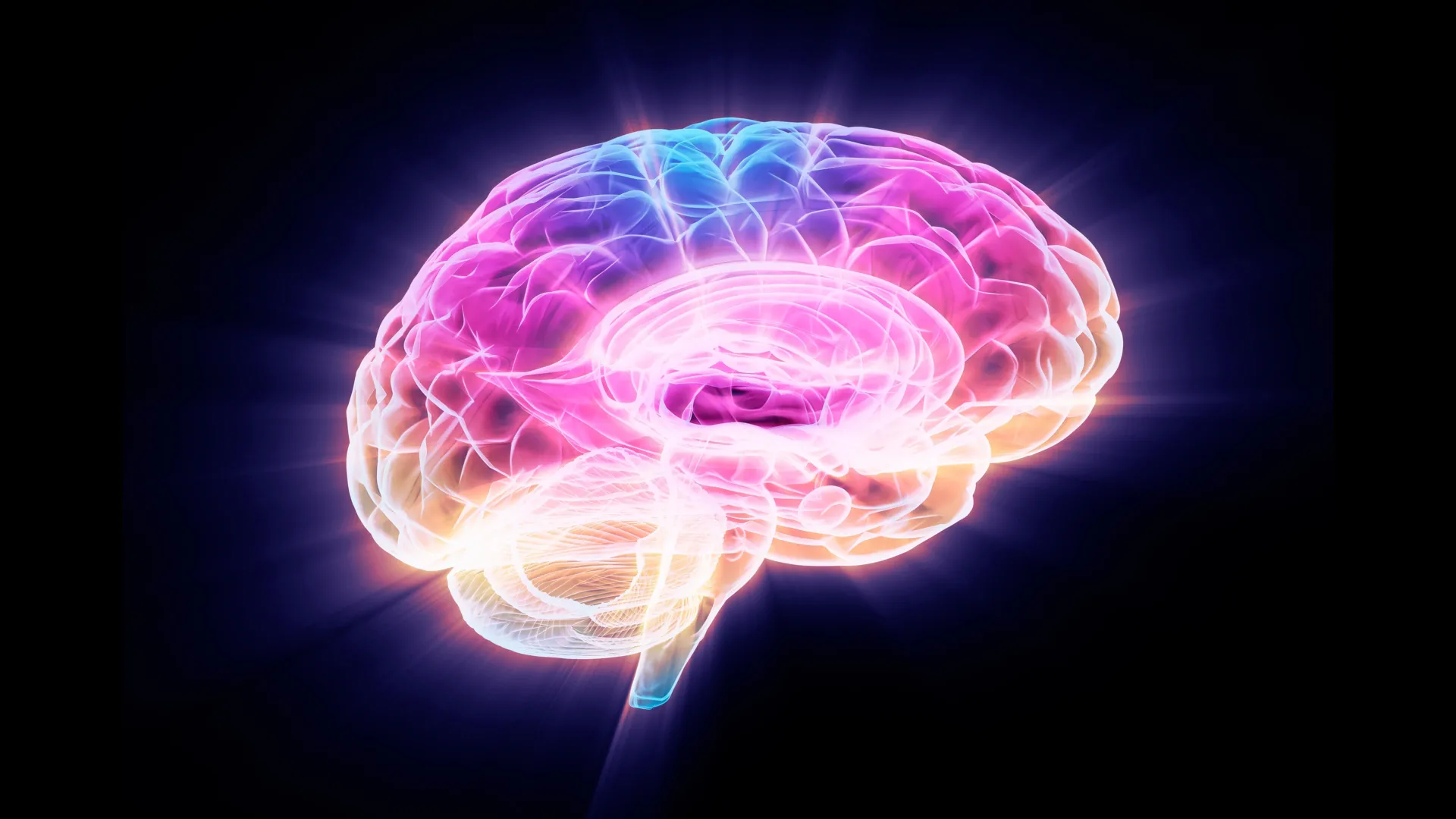
Aging’s relentless march exacts a significant toll on the human brain, with the hippocampus, a region critical for learning and memory, bearing a particularly heavy burden. Now, groundbreaking research from the University of California, San Francisco (UCSF) has identified a specific protein, FTL1, that appears to be a central orchestrator of this age-related cognitive decline. The findings, published in the prestigious journal Nature Aging, not only illuminate the intricate mechanisms underlying memory loss but also present a compelling new avenue for therapeutic intervention.
Unraveling the Molecular Threads of Cognitive Decline
For decades, scientists have grappled with understanding why cognitive functions, especially memory, tend to diminish with age. The hippocampus, a seahorse-shaped structure nestled deep within the temporal lobe, is a hub for the formation of new memories and their consolidation into long-term storage. Its vulnerability to the aging process has long been a focal point of neuroscientific inquiry.
The UCSF team embarked on a comprehensive investigation to map the molecular landscape of the aging hippocampus. Their approach involved meticulously tracking shifts in gene and protein expression within this brain region over time, utilizing a well-established animal model – mice. This longitudinal study allowed them to observe how the brain’s molecular machinery changes as an organism ages.
Among the vast array of molecular markers analyzed, one protein consistently stood out. FTL1, a protein whose precise role in the brain had not been fully elucidated prior to this study, exhibited a striking divergence between young and old animals. In older mice, FTL1 levels were significantly elevated compared to their younger counterparts. This increase was not an isolated phenomenon; it was found to correlate directly with observable functional deficits.
FTL1: A Molecular Culprit in Neuronal Communication and Cognitive Performance
The implications of elevated FTL1 levels became starkly apparent when researchers observed the accompanying changes in neuronal structure and cognitive function. Older mice, characterized by higher FTL1 concentrations, displayed a reduction in the number of connections between neurons, known as synapses, within the hippocampus. These synaptic connections are the very conduits through which neurons communicate, forming the intricate networks essential for learning and memory.
Furthermore, this structural degradation was mirrored in behavioral assessments. The older mice, with their compromised hippocampal circuitry and elevated FTL1, performed demonstrably worse on a battery of cognitive tests designed to evaluate learning and memory. This correlation provided strong evidence that FTL1 was not merely an indicator of aging but an active participant in the decline of brain function.
To further solidify this causal link, the UCSF scientists conducted a series of pivotal experiments. They artificially increased FTL1 levels in young, healthy mice. The results were immediate and profound. The brains of these young mice began to exhibit characteristics typically associated with older animals. Their neuronal structures showed signs of simplification, and their performance on cognitive tasks mirrored that of the aged cohort. This experimental manipulation provided a critical piece of evidence, demonstrating that FTL1 could indeed induce age-like brain changes and cognitive impairments.
Deciphering the Cellular Mechanisms: Structural Simplification of Neurons
Delving deeper into the cellular impact of FTL1, laboratory experiments provided a more granular understanding of how the protein disrupts neuronal architecture. When nerve cells were engineered to overproduce FTL1, they underwent a dramatic transformation. Instead of developing the complex, highly branched dendritic structures that are crucial for receiving and integrating signals from other neurons, these FTL1-laden cells presented with simplified, stunted extensions. These short, single projections were a stark departure from the intricate, multi-branching networks characteristic of healthy, youthful neurons, effectively hindering their ability to establish and maintain the robust synaptic connections required for efficient information processing.
This structural simplification directly impacts the brain’s capacity for plasticity – its ability to adapt and change in response to experience, a fundamental process underlying learning and memory. When neuronal structures are compromised, the formation of new memories and the retrieval of existing ones become significantly more challenging.
A Remarkable Reversal: Lowering FTL1 Restores Cognitive Function
The most striking and perhaps most hopeful aspect of the UCSF study emerged from the intervention phase. When researchers deliberately reduced FTL1 levels in the brains of older mice, the results were nothing short of remarkable. The animals showed clear and significant signs of recovery. The previously diminished connections between brain cells began to increase, and crucially, their performance on memory tests improved substantially.
Dr. Saul Villeda, associate director of the UCSF Bakar Aging Research Institute and the senior author of the study, emphasized the profound nature of these findings. "It is truly a reversal of impairments," Dr. Villeda stated, underscoring that the observed improvements went beyond mere mitigation. "It’s much more than merely delaying or preventing symptoms." This suggests that FTL1 may play a critical role not just in the onset of age-related cognitive decline but also in its persistence. The ability to reverse these impairments offers a tantalizing glimpse into the potential for therapeutic strategies that could restore lost cognitive function.
The Metabolic Connection: FTL1’s Influence on Cellular Energy
Further investigations uncovered an intricate link between FTL1 and cellular metabolism within the hippocampus. The researchers found that elevated FTL1 levels in older mice led to a slowdown in the metabolic activity of hippocampal cells. Metabolism, the process by which cells convert nutrients into energy, is fundamental to all cellular functions, including neuronal signaling and synaptic maintenance. A compromised metabolic rate can therefore have widespread detrimental effects on brain health.
Intriguingly, when these metabolically impaired cells were treated with a compound known to boost cellular energy production, the negative effects of high FTL1 were effectively counteracted. This discovery opens another promising avenue for therapeutic development, suggesting that interventions aimed at enhancing cellular metabolism might offer a way to mitigate the damaging effects of FTL1.
Implications for Future Brain Aging Therapies
The implications of this research are far-reaching, offering a tangible beacon of hope for the development of novel treatments for age-related cognitive decline, including conditions like Alzheimer’s disease and other forms of dementia. Dr. Villeda expressed optimism about the future trajectory of brain aging research, envisioning a paradigm shift in how we approach age-related neurological conditions.
"We’re seeing more opportunities to alleviate the worst consequences of old age," Dr. Villeda remarked. "It’s a hopeful time to be working on the biology of aging." The identification of FTL1 as a key molecular player provides a specific target for drug development. Therapies could potentially be designed to inhibit FTL1 production, block its activity, or even promote its clearance from the brain.
The metabolic link further expands the therapeutic landscape. Compounds that can enhance hippocampal cellular metabolism, independent of FTL1 levels, could also serve as a viable treatment strategy. This dual approach – targeting FTL1 directly and bolstering cellular energy production – presents a robust framework for future research and clinical translation.
A Collaborative Effort and Funding Landscape
This significant scientific endeavor was a testament to collaborative research, involving a dedicated team of scientists at UCSF. The study’s authors include Laura Remesal, PhD; Juliana Sucharov-Costa; Karishma J.B. Pratt, PhD; Gregor Bieri, PhD; Amber Philp, PhD; Mason Phan; Turan Aghayev, MD, PhD; Charles W. White III, PhD; Elizabeth G. Wheatley, PhD; Brandon R. Desousa; Isha H. Jian; Jason C. Maynard, PhD; and Alma L. Burlingame, PhD.
The research was generously supported by a consortium of foundations and government agencies, underscoring the critical importance of sustained funding for basic scientific inquiry. Key funding sources included the Simons Foundation, the Bakar Family Foundation, the National Science Foundation, the Hillblom Foundation, the Bakar Aging Research Institute, Marc and Lynne Benioff, and the National Institutes of Health (grants AG081038, AG067740, AG062357, and P30 DK063720). This diverse funding landscape highlights a broad recognition of the societal imperative to understand and combat the effects of aging on cognitive health.
Looking Ahead: A New Dawn for Cognitive Health
The discovery of FTL1’s central role in brain aging marks a pivotal moment in neuroscientific research. By pinpointing a specific molecular mechanism driving cognitive decline, scientists have moved closer to developing targeted interventions that could not only slow but potentially reverse the debilitating effects of aging on memory and learning. As research continues to build upon these foundational findings, the prospect of enhanced cognitive longevity and improved quality of life for aging populations appears increasingly within reach, ushering in a new era of hope for brain health in later life.

0 Comments