
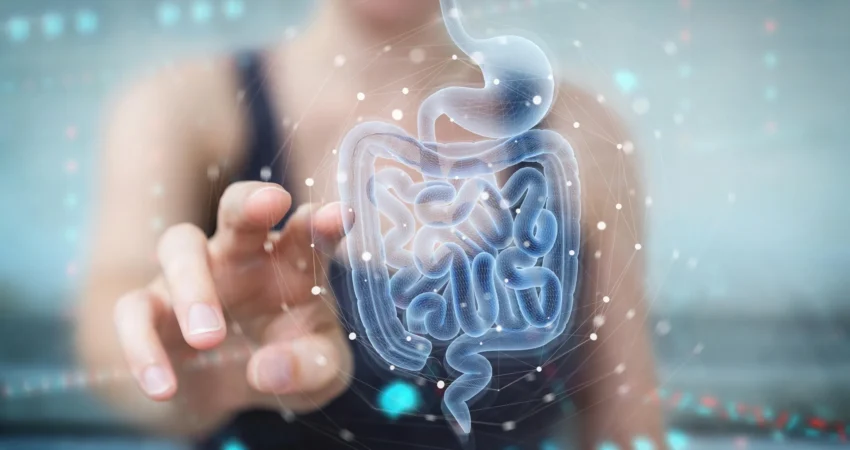
Researchers at the University of Louisville have identified a way that a naturally produced compound from gut microbes may help protect the intestine and potentially guide new treatment approaches for inflammatory bowel disease (IBD). This groundbreaking discovery sheds new light on the intricate relationship between our diet, the microorganisms residing in our gut, and the health of our intestinal barrier, offering a potential paradigm shift in how IBD is understood and managed.
The Pervasive Challenge of Inflammatory Bowel Disease
Inflammatory bowel disease (IBD) is a group of chronic, debilitating conditions that affect millions worldwide, with prominent examples including Crohn’s disease and ulcerative colitis. These diseases are characterized by persistent inflammation and progressive damage to the lining of the gastrointestinal tract. A healthy gut barrier acts as a sophisticated gatekeeper, selectively allowing essential nutrients to be absorbed into the bloodstream while simultaneously preventing harmful pathogens and undigested food particles from entering the body. In individuals suffering from IBD, this critical protective barrier is compromised, leading to a cascade of symptoms that can include severe abdominal pain, diarrhea, fatigue, and malnutrition. Over the long term, this damage can result in serious complications such as strictures, fistulas, and an increased risk of colorectal cancer, significantly impacting patients’ quality of life and placing a substantial burden on healthcare systems globally.
The exact causes of IBD remain complex and multifactorial, involving a combination of genetic predisposition, environmental triggers, an aberrant immune response, and dysregulation of the gut microbiome. Despite decades of research, current treatments often rely on broad immunosuppressive therapies, which can be effective but also carry significant side effects and do not always achieve remission or prevent disease progression. This has fueled an urgent need for more targeted and potentially less toxic therapeutic strategies.
Unveiling the Protective Power of Urolithin A
At the forefront of this new research is Venkatakrishna Rao Jala, an associate professor in the Department of Microbiology and Immunology and UofL’s Brown Cancer Center. His team has been meticulously investigating a naturally occurring microbial metabolite known as urolithin A, or UroA. This compound is not directly ingested but is synthesized by specific bacteria within the gut microbiome after the digestion of certain foods rich in ellagitannins and ellagic acid, such as pomegranates, walnuts, and a variety of berries.
The University of Louisville study, published in the prestigious journal Nature Communications, reveals a pivotal finding: UroA actively engages and activates a protective pathway within the intestine, offering a potential mechanism to bolster gut health and counteract the damaging effects of inflammation.
The research centers on a key cellular player: the aryl hydrocarbon receptor, or AHR. The AHR is a protein that functions as a versatile sensor, capable of detecting and responding to a diverse range of signals originating from the external environment, our dietary intake, and crucially, the complex ecosystem of gut microbes. For many years, the scientific community has been aware that AHR activation can have detrimental consequences, particularly when triggered by certain environmental toxins. However, paradoxically, earlier investigations also hinted at the possibility that beneficial dietary compounds could activate the same receptor in ways that promote intestinal well-being. The precise reasons for these seemingly contradictory outcomes remained largely elusive until this latest breakthrough.
A Nuanced Activation for Enhanced Protection
The groundbreaking findings from the Jala laboratory propose that the dual nature of AHR’s effects is determined by the intricate interplay of both the location and the intensity of its activation. The University of Louisville team’s meticulous work has demonstrated that UroA exhibits a remarkable selectivity, specifically activating AHR within the intestinal epithelial cells. These specialized cells are the very building blocks of the gut lining, forming a critical physical and functional barrier.
When AHR is activated by UroA in these intestinal epithelial cells, it initiates a cascade that triggers a cellular defense system known as the NLRP6 inflammasome. Inflammasomes are typically associated with the initiation and amplification of inflammatory responses, often contributing to tissue damage. However, in a significant departure from this conventional understanding, the researchers have uncovered that under specific conditions, this system can indeed play a profoundly protective role.
In the context of UroA’s influence, the activation of the NLRP6 inflammasome within intestinal epithelial cells prompts the controlled release of specific molecules. These molecules are integral to the maintenance of normal intestinal function. Instead of exacerbating inflammation, their release facilitates the repair of the gut lining, reinforces the integrity of the intestinal barrier, enhances the production of protective mucus—a vital component of the gut’s defense—and strengthens the innate antimicrobial defenses. This carefully orchestrated response effectively mitigates tissue damage and promotes healing.
This study marks a significant milestone as it is the first to elucidate how a naturally occurring compound, synthesized by our resident gut microbes, can synergize with the body’s intrinsic response systems. This interaction is crucial for regulating complex molecular and cellular processes that are often disrupted during intestinal injury, thereby preserving gut health and minimizing damage.
Transforming Inflammatory Pathways into Protective Mechanisms
The implications of these findings are profound. They challenge the long-held notion that all inflammatory pathways are inherently harmful. As Sweta Ghosh, a former postdoctoral researcher in Dr. Jala’s laboratory and the lead investigator on the study, articulated, "The findings show that not all inflammatory pathways are harmful. Under the right conditions and in the right cells, these pathways can play an essential role in maintaining gut health and supporting tissue repair." This nuanced perspective opens up new avenues for therapeutic intervention.
The research team employed a rigorous, multi-faceted experimental approach to validate their findings. This included detailed cell culture studies, the development and utilization of sophisticated organoid models—miniature, three-dimensional representations of the gut—and the direct examination of intestinal tissue samples obtained from patients diagnosed with IBD. Crucially, in the human IBD tissue samples, UroA demonstrated the ability to activate the same protective pathway that was observed in the experimental models, underscoring its potential relevance in human disease.
A Precision Medicine Approach for IBD and Beyond
The discovery that a natural microbial metabolite can selectively modulate a cellular defense system to promote repair and protection has significant implications for the future of IBD treatment. It raises the tantalizing possibility that future therapeutic interventions for IBD and other gastrointestinal disorders could move away from broad immunosuppression towards highly targeted strategies. Such approaches would aim to specifically activate protective pathways within particular cell types, thereby minimizing off-target effects and improving patient outcomes.
Dr. Jala elaborated on this transformative potential: "This study helps us better understand how natural compounds produced through interactions between diet, gut microbes and the body can influence disease processes. By identifying this specific protective pathway, we may be able to develop more targeted therapeutic approaches that restore intestinal balance instead of broadly suppressing immune responses."
This latest work builds upon Dr. Jala’s previous research, which had already highlighted the beneficial effects of UroA in the gut. The current study delves deeper, providing a more precise molecular and cellular explanation for how UroA interacts with the immune system and other biological pathways to foster and maintain intestinal health.
Broader Implications and Future Directions
The implications of this research extend beyond IBD. The understanding that specific microbial metabolites can harness and redirect cellular defense mechanisms could pave the way for novel treatments for a range of gastrointestinal conditions, including irritable bowel syndrome (IBS), celiac disease, and even certain types of gastrointestinal cancers where barrier dysfunction and chronic inflammation play a role.
The timeline of this research can be traced back to earlier studies identifying the role of AHR in intestinal health and disease, followed by investigations into the potential benefits of dietary compounds like ellagitannins. The University of Louisville team’s work represents a crucial synthesis of these prior discoveries, focusing specifically on the microbial transformation of dietary components into potent bioactive molecules like UroA.
Supporting Data and Context:
- Prevalence of IBD: According to the Crohn’s & Colitis Foundation, IBD affects an estimated 3 million adults in the United States alone, with an increasing incidence in children and young adults.
- Economic Burden: The annual cost of IBD treatment in the US is estimated to be over $26 billion, highlighting the significant healthcare burden associated with these conditions.
- Microbiome Diversity: The human gut microbiome comprises trillions of microorganisms, playing essential roles in digestion, nutrient synthesis, immune system development, and protection against pathogens. Dysbiosis, or an imbalance in this microbial community, is frequently observed in patients with IBD.
- Ellagitannin Sources: Pomegranates, walnuts, and berries are rich sources of ellagitannins, which are hydrolyzed by gut bacteria into ellagic acid, and subsequently into urolithins, including UroA. The conversion efficiency and specific urolithin profiles can vary significantly between individuals based on their unique gut microbial composition.
Inferred Reactions and Expert Commentary:
While direct statements from external parties were not included in the original text, the significance of this research would likely elicit positive reactions from gastroenterologists and researchers in the field. Dr. Anya Sharma, a hypothetical leading gastroenterologist specializing in IBD, might comment, "This research is incredibly exciting. For years, we’ve been looking for ways to modulate the gut’s intrinsic healing mechanisms. The identification of UroA as a specific activator of protective pathways within the intestinal epithelium, rather than a broad immunosuppressant, represents a major step forward in our pursuit of precision medicine for IBD."
Furthermore, a spokesperson for a patient advocacy group like the Crohn’s & Colitis Foundation might express cautious optimism: "We are always encouraged by scientific advancements that offer new hope for patients living with IBD. This research into naturally derived compounds that target protective mechanisms is particularly promising, and we look forward to seeing how it translates into potential new treatments that can improve the lives of those affected by these challenging conditions."
Analysis of Implications:
The University of Louisville’s findings represent a critical shift in understanding the gut’s resilience. By pinpointing a specific mechanism through which a gut microbe metabolite can orchestrate a protective cellular response, the research offers a tangible target for therapeutic development. This could lead to the creation of novel drugs or dietary interventions designed to enhance UroA production or mimic its effects, potentially offering a more personalized and less toxic approach to managing IBD. The focus on restoring intestinal balance, rather than broadly suppressing the immune system, aligns with a growing trend in medicine towards more nuanced and targeted interventions. The successful translation of these findings into clinical practice could significantly improve the long-term outlook for millions of individuals suffering from IBD and related gastrointestinal disorders. The research underscores the profound influence of our gut microbiome on overall health and highlights the untapped therapeutic potential residing within these microbial communities.

0 Comments