
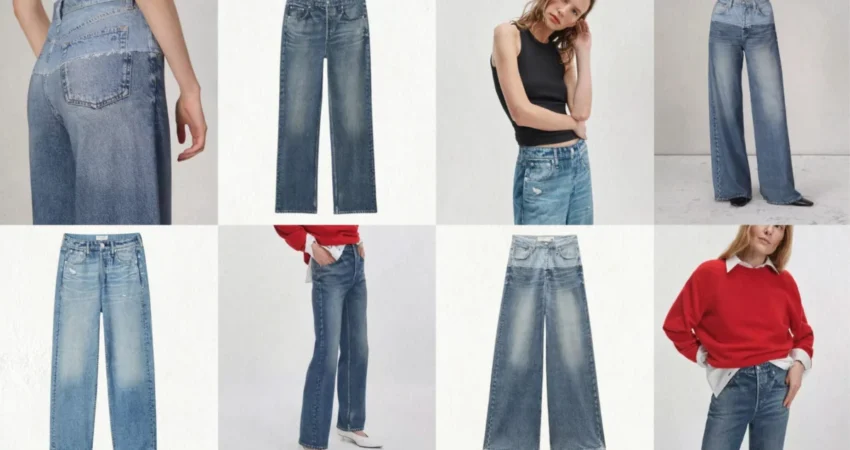
The landscape of global travel fashion is undergoing a significant transformation as the boundaries between high-end aesthetics and functional comfort continue to blur. Central to this shift is the emergence of "hybrid apparel"—garments designed to mimic the appearance of structured formal wear while providing the tactile benefits of loungewear. A primary example of this trend is the Rag & Bone Miramar collection, a line of "sweatpant jeans" that has gained viral status among frequent travelers and fashion enthusiasts. By utilizing advanced photographic printing techniques on soft cotton terry, the Miramar line addresses a long-standing dilemma in the travel industry: the trade-off between the polished appearance required for luxury environments and the physical flexibility necessitated by long-haul transit.
The Rise of Trompe L’oeil in Modern Textiles
The success of the Rag & Bone Miramar series is rooted in the "trompe l’oeil" (trick of the eye) design philosophy. Unlike traditional denim, which relies on a twill weave of indigo and white yarns to create its iconic texture, the Miramar pants are constructed from 100% cotton French terry or soft jersey. The denim appearance—including the fading, whiskering, and seam details—is digitally printed onto the fabric with high-resolution accuracy.
This technological approach allows the garment to maintain the breathability and stretch of a standard sweatpant. Industry analysts note that the "Miramar Shea" and "Miramar Sofie" models represent a pinnacle in this niche, offering varying silhouettes from relaxed straight-leg to trendy wide-leg cuts. The integration of functional hardware, such as authentic buttons and zippers in certain models like the Shea ankle pant, further distinguishes these items from traditional joggers, allowing travelers to transition seamlessly from a pressurized airplane cabin to a high-end hotel lobby without a change of attire.
Chronology of the Hybrid Travel Wear Trend
The trajectory of the hybrid denim trend can be traced through several key milestones over the last decade, culminating in the current market saturation of "comfort-first" luxury goods.
- 2010–2015: The Athleisure Explosion. The initial rise of Lululemon and similar brands established that athletic wear could be worn in non-athletic settings. However, these garments remained visually distinct from professional or formal attire.
- 2018: Rag & Bone Launches the Miramar. Rag & Bone, a brand founded in 2002 by Marcus Wainwright and David Neville with a focus on British heritage and New York edge, introduced the Miramar. It was initially positioned as a niche experimental piece.
- 2020–2021: The Pandemic Pivot. The global shift toward remote work and the cessation of international travel created a vacuum. Consumers prioritized comfort above all else, but as travel resumed in late 2021, the desire for "re-entry" fashion that didn’t sacrifice comfort led to the Miramar’s viral resurgence on platforms like TikTok and Instagram.
- 2023–2024: Diversification and Refinement. Rag & Bone expanded the line to include various washes (such as "Lakewood" and "Antonia") and lengths (Ankle vs. Regular), responding to consumer demand for more tailored fits.
Market Data and Consumer Demographics
The luxury denim market, valued at approximately $8.5 billion globally in 2023, is increasingly being cannibalized by the "premium casual" segment. Market research indicates that frequent travelers—defined as individuals taking more than four international flights per year—are the primary drivers of this growth.

According to retail data, the price point for the Miramar collection, ranging from $198 to $268, positions it within the "accessible luxury" bracket. Despite the high cost for what is essentially a cotton pant, sales figures suggest that consumers view the product as a multi-purpose investment. A 2023 consumer sentiment survey revealed that 64% of luxury travelers are willing to pay a premium of 20-30% for apparel that specifically mentions "travel-optimized" features, such as wrinkle resistance and multi-climate adaptability.
Technical Analysis of Product Variants
The Miramar collection is not a monolithic product line but a series of engineered garments designed for different body types and stylistic preferences.
The rb Miramar Shea Relaxed Straight Pant
The "Shea" model is considered the flagship of the travel line. It features a medium wash, often referred to as "Lakewood," and is noted for its straight-leg silhouette. Unlike lower-tier "jeggings," the Shea incorporates a real button closure and functional pockets. This model is specifically designed for those seeking a "polished" look that mimics authentic vintage denim.
The rb Miramar Sofie Wide-Leg Pant
The "Sofie" variant caters to the contemporary trend of oversized silhouettes. Often available in two-tone designs like the "Antonia" wash, this model emphasizes volume. While it offers superior comfort for long-duration sitting (such as on transoceanic flights), it presents challenges in terms of scale, often requiring professional hemming for consumers under 5’10".
The rb Miramar Wide-Leg Ankle Pant
For consumers seeking a more traditional loungewear feel, the ankle-length pull-on version utilizes an elastic waistband and printed (rather than physical) buttons. While this model is the most comfortable for sleeping during red-eye flights, it is visually the furthest removed from "real" denim, appealing to a demographic that prioritizes the "sweatpant" aspect over the "jean" illusion.
Sizing Discrepancies and the Inseam Dilemma
A critical point of analysis for the Miramar line is the industry-wide challenge of standardized sizing. Reports from fashion editors and consumer reviews consistently indicate that the line runs significantly large. The "ankle" length, intended for individuals 5’4" and shorter, frequently measures longer than industry standards, with a 5’4" wearer often finding the hem brushing the floor even when paired with platform footwear.

Conversely, the "regular" length is optimized for individuals 5’8" and above. This discrepancy highlights a broader issue in the luxury apparel market: the "tall-bias" in design. While Rag & Bone offers more than five times the variety in regular lengths compared to ankle lengths, the lack of accessible sizing for petite travelers remains a hurdle for total market penetration.
Professional Implications and the "Airport Fit" Economy
The rise of the "airport fit" as a social media subculture has turned transit hubs into de facto runways. For the modern professional traveler, the goal is "effortless elegance"—appearing as though one has put in significant effort while remaining physically prepared for the rigors of TSA checkpoints, temperature fluctuations in cabins, and long walks through terminals.
Industry experts suggest that the Miramar jeans represent a shift in the "uniform of the elite." Where a five-star resort check-in might have previously required chinos or tailored slacks, the acceptance of high-end hybrid wear signifies a relaxation of traditional dress codes in favor of "quiet luxury." This trend has forced competitors like Joes’s Jeans and Frame to develop their own versions of "knit denim," though Rag & Bone maintains a first-mover advantage in the photorealistic printing space.
Environmental and Longevity Factors
From a sustainability perspective, 100% cotton construction offers advantages over synthetic blends found in cheaper "stretch" jeans. Cotton is biodegradable and, in the case of the Miramar, the light-to-medium weight of the fabric ensures it is suitable for year-round use, reducing the need for seasonal garment turnover. However, the durability of digital prints compared to traditional indigo dyes is a point of ongoing study. While the "denim" look is permanent, the vibrancy of the print must withstand the frequent washing associated with travel-wear.
Conclusion and Future Outlook
The Rag & Bone Miramar collection serves as a case study for the future of the apparel industry. As global mobility increases and the "work from anywhere" culture persists, the demand for clothing that defies categorization will only grow. While the Miramar faces challenges regarding sizing inclusivity and a high entry price, its success confirms a fundamental shift in consumer values: comfort is no longer an alternative to style, but a prerequisite for it.
Looking ahead, the integration of smart textiles—such as antimicrobial fibers or moisture-wicking cotton blends—into the trompe l’oeil framework could further solidify this category’s dominance. For now, the "sweatpant jean" remains a vital tool for the modern traveler, bridging the gap between the functional necessity of the journey and the aesthetic expectations of the destination. As the line continues to evolve, it will likely set the standard for how luxury brands balance the conflicting demands of a high-speed, mobile society.

0 Comments