
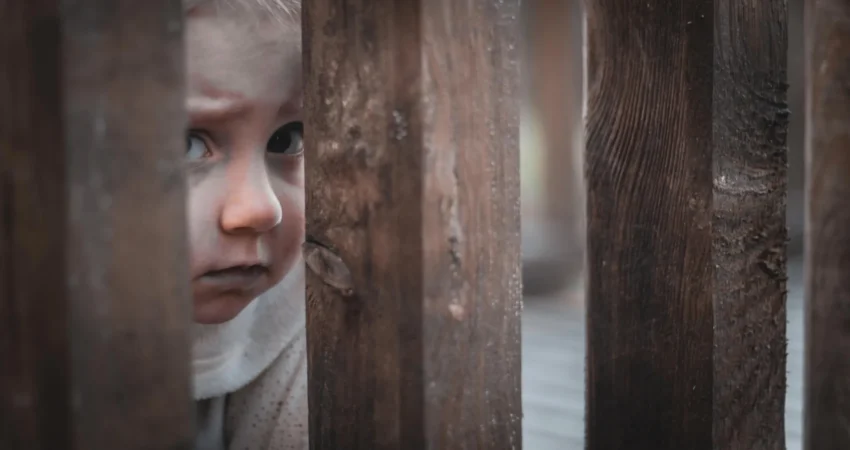
New research from scientists at SWPS University and the Nencki Institute of Experimental Biology, published in the prestigious journal Frontiers in Psychology, indicates that specific imagery-based psychotherapy techniques can significantly reduce the pervasive fear of failure often stemming from challenging childhood experiences. These findings shed light on the enduring impact of early life adversity on adult emotional well-being and offer promising avenues for therapeutic intervention.
The Enduring Shadow of Early Criticism
Difficult experiences during formative years, encompassing parental criticism, neglect, or disproportionately severe reactions to a child’s missteps, can cast a long shadow, profoundly influencing an individual’s emotional landscape and overall quality of life well into adulthood. The way caregivers respond to a child’s mistakes is particularly crucial in shaping future cognitive and emotional patterns. For many, these early encounters can foster a deep-seated fear of failure, an internalized belief that making errors diminishes their inherent worth in the eyes of others. This fear can manifest as avoidance of challenges, perfectionism, and chronic anxiety, significantly hindering personal and professional growth.
The study, conducted by researchers from the Laboratory of Affective Neuroscience at the Institute of Psychology, SWPS University, and the Laboratory of Brain Imaging at the Nencki Institute of Experimental Biology, both located in Poland, aimed to investigate whether imagery-based psychotherapy could effectively mitigate the ongoing psychological effects of these painful childhood memories. The research team sought to determine if actively engaging with and modifying these memories could lead to lasting positive change, challenging the notion that such early traumas are immutable.
A Rigorous Clinical Trial to Measure Lasting Change
To assess the efficacy of these innovative therapeutic approaches, a randomized, controlled clinical trial was meticulously designed and implemented. The study involved 180 young adults, aged between 18 and 35, all of whom reported experiencing a significant fear of failure. Over a concentrated two-week period, participants engaged in four distinct therapy sessions, each focusing on difficult childhood memories characterized by criticism.
The participants were strategically divided into three groups to compare the effects of different interventions:
-
Imagery Exposure (IE) Group (Active Control): This group served as an active control. Participants were instructed to vividly recall situations from their childhood that had triggered fear or anxiety. This method aimed to expose them to their distressing memories without actively altering them, providing a baseline for comparison against more reconstructive techniques.
-
Imagery Rescripting (ImRs) Group: This group underwent a more transformative intervention. Imagery Rescripting is a technique specifically designed to alter the narrative and emotional trajectory of distressing memories within the imagination. Participants were guided to bring a painful childhood experience involving criticism to mind. Crucially, they were then encouraged to imagine a supportive "defender"—such as a therapist or a nurturing figure—entering the memory. This defender would then confront the critical individual, offering comfort and validation to the child experiencing the distress. The core principle here is to actively rewrite the memory’s ending, replacing helplessness with empowerment and support.
-
Imagery Rescripting with Delayed Suppression and Rescripting (ImRs-DSR) Group: This third group utilized the same Imagery Rescripting technique but incorporated a novel 10-minute delay procedure before the rescripting phase. Researchers theorized that this delay would intentionally interfere with the immediate retrieval of the memory trace associated with the critical experience. By introducing this temporal gap, the intervention aimed to potentially disrupt the ingrained emotional response, thereby amplifying the effectiveness of the subsequent rescripting process. The hypothesis was that this disruption would create a more malleable state for memory modification.
The comprehensive data collection involved multiple modalities to capture the full spectrum of the intervention’s impact. Participants completed detailed questionnaires and underwent in-depth interviews to assess their subjective experiences and perceived changes. Simultaneously, researchers diligently monitored physiological measures, such as heart rate and galvanic skin response, to objectively gauge stress and arousal levels associated with recalling the distressing memories. To ascertain the durability of the observed effects, follow-up assessments were conducted at three and six months post-intervention, providing critical data on the long-term stability of the therapeutic gains.
Declines in Fear, Guilt, and Stress: Tangible Evidence of Healing
The results of the clinical trial demonstrated a resounding success for all imagery-based approaches employed. Participants in all three experimental groups reported a significant and enduring reduction in their fear of failure. Beyond this primary outcome, the study also revealed substantial decreases in a range of negative emotions, including profound feelings of sadness and guilt, which often accompany such deep-seated anxieties.
The physiological data corroborated the self-reported improvements. Researchers observed a marked decrease in the intensity of bodily reactions to memories of criticism. This indicated that recalling these once-distressing experiences no longer triggered the same level of intense physiological stress and arousal. The improvements were not transient; they remained clearly evident during the follow-up assessments at both three and six months. This sustained effect strongly suggests that the psychological benefits derived from these imagery-based techniques are stable over time, offering a robust solution for long-term recovery.
"Our study provides compelling evidence that it is indeed possible to reduce the intensity of negative emotions and physiological arousal that are intrinsically linked to memories of childhood criticism," stated Dr. Julia Baczek, a psychologist and co-author of the study from the Laboratory of Affective Neuroscience at SWPS University. "By carefully selecting and implementing specific therapeutic techniques, we can fundamentally influence how these memories are experienced, transforming them from burdensome emotional anchors into less impactful recollections."
The Power of Surprise: Unlocking Therapeutic Potential
A particularly intriguing finding from the research highlighted the significant role of surprise in enhancing the effectiveness of imagery rescripting. The study’s authors observed that the ImRs and ImRs-DSR techniques were especially potent when they elicited a moment of unexpectedness for the participants. This phenomenon was linked to the concept of "prediction error," a cognitive process that occurs when there is a discernible discrepancy between an individual’s expectations and the actual outcome of an event.
The researchers posit that this unexpected shift within the imagined memory serves to destabilize established, negative emotional patterns. By introducing a surprising element, the mind becomes more amenable to replacing old, maladaptive responses with new, healthier ones. This element of surprise acts as a catalyst, facilitating a deeper and more profound reprogramming of emotional associations.
"We have demonstrated that a critical component of successful imagery-based therapy lies in deliberately creating a discrepancy between what a patient anticipates and what actually transpires within the newly constructed memory," explained Stanisław Karkosz, a cognitive scientist and co-author from the same laboratory at SWPS University. "It is this element of surprise, this unexpected divergence from the expected negative outcome, that truly paves the way for lasting therapeutic change."
Reframing the Past for a Brighter Future
The implications of these findings are far-reaching. They strongly suggest that imagery-based techniques possess the capacity to fundamentally alter an individual’s response to contemporary challenges. By enabling individuals to imaginatively "write" new, safe, and supportive endings to deeply painful past experiences, these therapies empower them to approach current situations with greater resilience and less trepidation.
Furthermore, the results offer a crucial message of hope: difficult memories, including those intimately connected with the experience of failure, do not have to remain perpetually etched in the emotional landscape with the same intensity. Dr. Baczek emphasized this point, articulating that past experiences can indeed be reprocessed and recontextualized over time, moving away from a fixed, unchangeable state towards a more integrated and less emotionally charged understanding. This shift allows individuals to reclaim agency over their emotional responses, breaking free from the constraints of past trauma.
Broader Context and Future Implications
The research conducted by SWPS University and the Nencki Institute of Experimental Biology builds upon a growing body of evidence supporting the efficacy of memory reconsolidation and modification techniques in treating various psychological disorders. While traditional therapies have long focused on cognitive restructuring and behavioral change, this study highlights the potent impact of directly intervening at the level of emotional memory itself.
The findings are particularly relevant in light of increasing global awareness surrounding the long-term mental health consequences of childhood adversity. Organizations such as the World Health Organization have consistently emphasized the critical link between adverse childhood experiences (ACEs) and a range of physical and mental health issues later in life. This research offers a tangible and evidence-based therapeutic tool that could be integrated into broader public health initiatives aimed at mitigating the effects of such experiences.
The successful application of Imagery Rescripting and its variants, especially the ImRs-DSR technique, suggests a potential for more targeted and effective interventions. The inclusion of a delay mechanism, designed to interfere with memory traces, could represent a significant advancement in therapeutic methodology. Future research might explore optimizing these delay periods and investigating their application to a wider range of traumatic memories beyond criticism.
The collaboration between SWPS University and the Nencki Institute of Experimental Biology, a leading center for neuroscience research in Poland, underscores the interdisciplinary approach needed to tackle complex psychological phenomena. The integration of cognitive science, affective neuroscience, and clinical psychology has been instrumental in unraveling the intricate mechanisms underlying memory and emotion.
The implications for clinical practice are substantial. Therapists working with individuals suffering from fear of failure, perfectionism, low self-esteem, and anxiety disorders may find these imagery-based techniques to be powerful additions to their therapeutic repertoire. The accessibility of these techniques, particularly Imagery Exposure, which was used as an active control, suggests that even less complex forms of imagery work can yield benefits, though the reconstructive nature of ImRs and ImRs-DSR appears to offer deeper and more lasting transformation.
As the understanding of neuroplasticity and the malleability of memory continues to grow, interventions that leverage these principles are likely to become increasingly prominent. This study offers a beacon of hope, demonstrating that the emotional scars of the past do not have to dictate the emotional experience of the present or the potential of the future. By skillfully navigating the landscape of our memories, individuals can forge a path toward greater emotional freedom and a reduced fear of failure. The scientific community will undoubtedly be looking forward to further explorations of these promising techniques and their potential to alleviate suffering for a wider population.

0 Comments