
The legacy of Linus Pauling, a towering figure in 20th-century science, is a complex tapestry woven with groundbreaking discoveries and controversial advocacy. Renowned for his Nobel Prize-winning work that revolutionized our understanding of chemical bonds and protein structures, Pauling later in his career became a vocal champion for the idea that exceedingly high doses of vitamin C could serve as a potent weapon against cancer. This assertion, met with widespread skepticism from the medical establishment, ultimately cast a long shadow over his later years. His passing from cancer at the age of 93 was often cited as a stark illustration of the "halo effect"—the cognitive bias that can lead individuals to overestimate the expertise of a genius in unrelated fields.
However, half a century on, the narrative surrounding Pauling’s vitamin C hypothesis is proving to be far more nuanced. While he was demonstrably incorrect in certain crucial aspects of his claims, the core of his proposition was not entirely without merit. Emerging modern research is revisiting vitamin C’s potential role in cancer treatment, revealing that under specific conditions, this ubiquitous nutrient can exhibit properties far exceeding those of a mere dietary supplement, behaving more akin to a pharmacological agent.
A Controversial Beginning: The Pauling-Cameron Hypothesis
Pauling’s foray into vitamin C and cancer therapy began in the early 1970s. He partnered with Dr. Ewan Cameron, a Scottish physician, to administer massive quantities of vitamin C to patients diagnosed with advanced, incurable cancers. Initially, these high doses were delivered intravenously, followed by oral tablet supplementation. Their published findings suggested a remarkable improvement in the outcomes of these vitamin C-treated patients compared to a control group of similar patients who did not receive the treatment. Cameron and Pauling reported that the vitamin C recipients not only lived longer but also experienced a better quality of life, with some suggesting survival times could be extended by severalfold. These preliminary reports ignited significant public interest and debate, positioning vitamin C as a potential breakthrough in palliative and even curative cancer care.
The Mayo Clinic Trials: A Definitive Rebuttal?
In response to the growing attention and the compelling, albeit preliminary, claims by Pauling and Cameron, the esteemed Mayo Clinic in the United States initiated two large-scale clinical trials designed to rigorously test the hypothesis. These trials were intended to provide definitive answers to the efficacy of vitamin C in cancer treatment. The methodology involved administering vitamin C in oral tablet form to cancer patients. The results, when published, were stark and seemingly conclusive: they found no statistically significant benefit in terms of survival duration for patients receiving vitamin C compared to those in the placebo group.
For the majority of oncologists and the broader medical community, these Mayo Clinic trials represented the final word on the matter. The findings led to vitamin C being categorized alongside other "alternative" or unproven remedies, and Pauling’s passionate advocacy was largely dismissed as a well-intentioned but ultimately misguided endeavor by a brilliant mind operating outside his core area of expertise.
The Crucial Distinction: Intravenous vs. Oral Administration
What remained largely overlooked by both critics and proponents of the Pauling-Cameron hypothesis at the time was a fundamental difference in the delivery method employed. Pauling and Cameron’s initial protocol involved intravenous administration, a route that bypasses the digestive system’s absorption limitations. In contrast, the Mayo Clinic trials exclusively utilized oral tablets. This distinction is critical because the human gut has a finite capacity for absorbing vitamin C. Once a certain daily threshold is reached—even a relatively modest one—the body’s absorption rate significantly plateaus. Ingesting large numbers of vitamin C tablets, therefore, does not proportionally increase blood levels beyond a certain point.
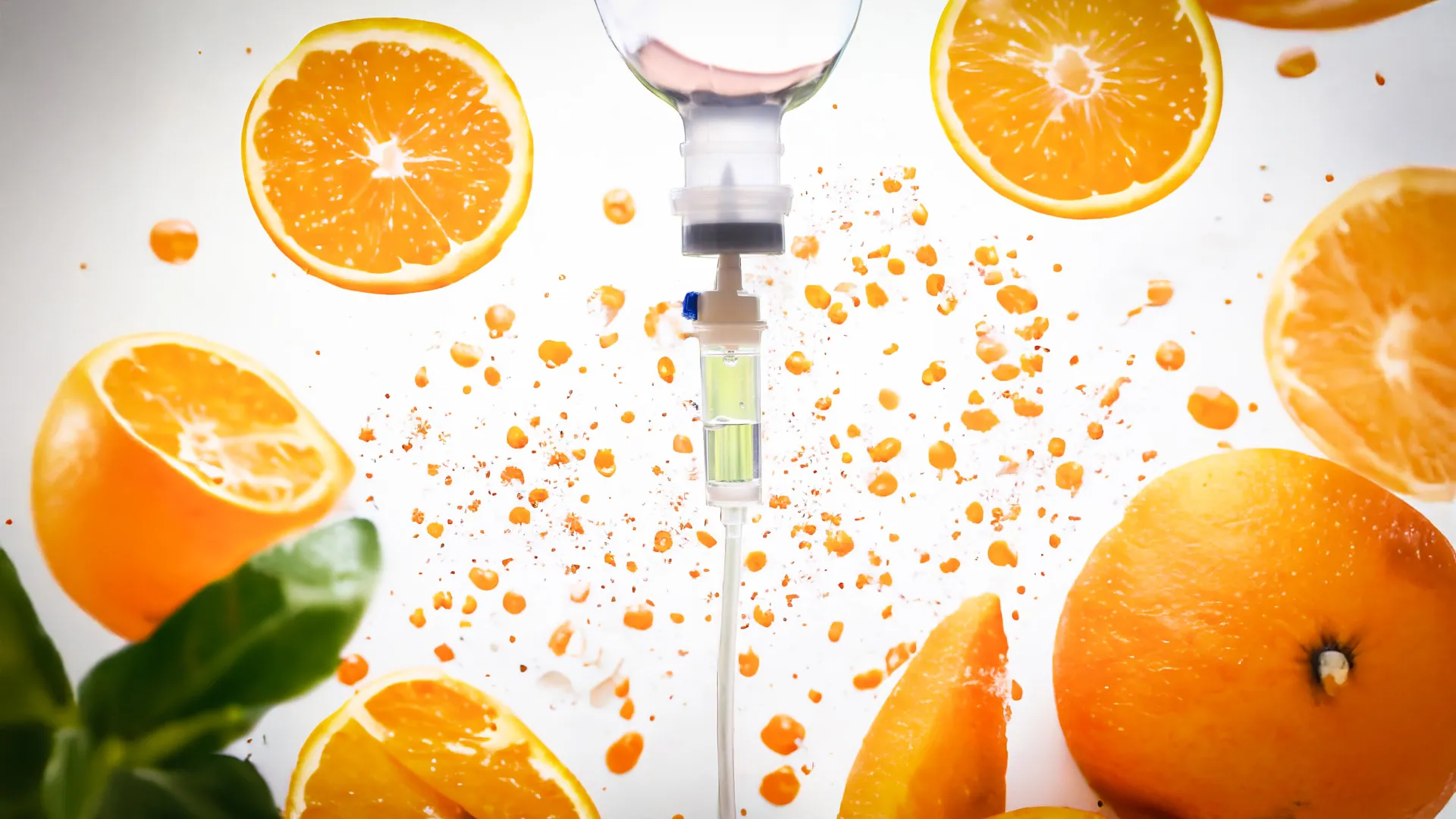
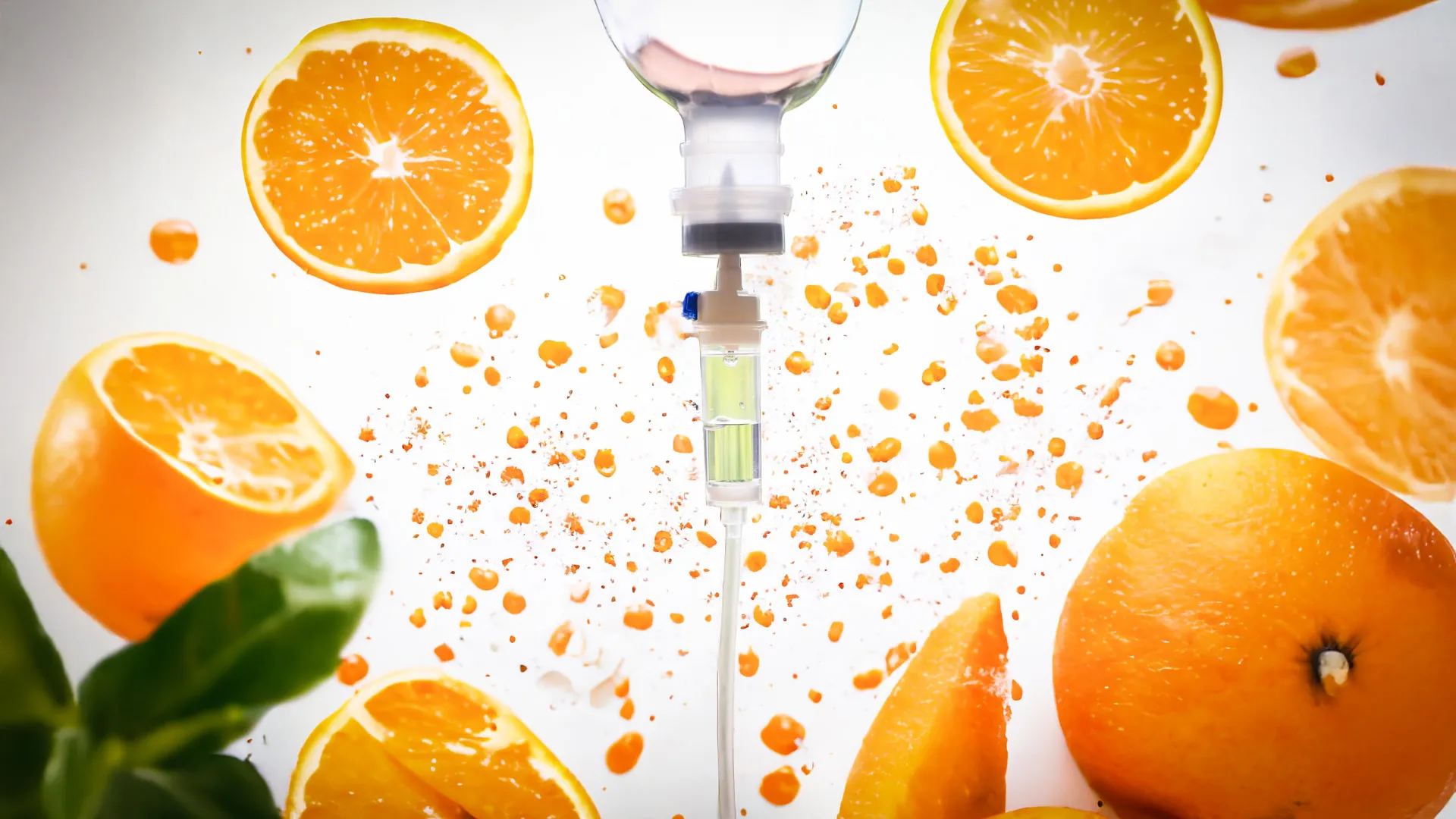
Conversely, intravenous infusion allows for the direct and rapid introduction of vitamin C into the bloodstream, capable of achieving blood concentrations tens or even hundreds of times higher than what is achievable through oral intake. It is at these extraordinarily high, pharmacologically relevant levels that vitamin C begins to exhibit distinct and potent biological activities.
Vitamin C’s Dual Nature: Antioxidant to Pro-Oxidant
At the physiological concentrations typically achieved through diet and standard supplementation, vitamin C functions as a potent antioxidant. It plays a vital role in neutralizing harmful free radicals and reactive oxygen species (ROS), thereby protecting cellular structures from oxidative damage. This well-established role contributes to overall health and immune function.
However, the scientific landscape has shifted dramatically with the understanding that at extremely high, supraphysiological doses, vitamin C can undergo a redox transition. Instead of acting solely as an antioxidant, it can function as a pro-oxidant. In the specific microenvironment of a tumor, particularly when delivered intravenously, high-dose vitamin C can promote the generation of hydrogen peroxide (H2O2). This reactive molecule is inherently cytotoxic, capable of inducing significant cellular damage.
Cancer cells, by their very nature, are often under immense metabolic stress. Their rapid proliferation, frequently occurring in environments with compromised blood supply, and their inherent reliance on complex signaling pathways mean they are constantly producing reactive molecules. Their endogenous antioxidant defense systems are often overwhelmed. When exposed to a sudden, intense pulse of hydrogen peroxide generated by exogenous high-dose vitamin C, these already stressed cancer cells can be pushed past a critical threshold. The resulting oxidative damage can profoundly disrupt their DNA, their energy production machinery (mitochondria), and other vital cellular functions, ultimately leading to programmed cell death (apoptosis).
Crucially, normal, healthy cells, which are generally under less stress and possess more robust antioxidant defense mechanisms, are far more resilient to these high levels of oxidative challenge. They are more likely to survive the onslaught, allowing for a degree of selective toxicity against cancer cells. This mechanism fundamentally distinguishes the action of high-dose intravenous vitamin C from that of a daily supplement, positioning it more closely to that of a chemotherapeutic agent.
The Evolving Evidence: A Glimpse into Modern Research
Decades after the initial controversy, contemporary research is cautiously re-evaluating the therapeutic potential of high-dose vitamin C in oncology. While definitive, large-scale randomized controlled trials are still somewhat limited, early-stage investigations have yielded promising, albeit mixed, results.
H2 Emerging Clinical Investigations and Observations
Small-scale clinical trials have been conducted, primarily administering high-dose vitamin C intravenously to patients with notoriously difficult-to-treat cancers, including ovarian, pancreatic, and brain tumors. A significant finding from these studies is the general tolerability of high-dose vitamin C. Many patients have been able to receive substantial doses multiple times a week without experiencing severe adverse events. However, it is imperative to acknowledge that potential complications can arise, particularly in individuals with pre-existing kidney dysfunction or rare inherited metabolic disorders. This underscores the fact that high-dose intravenous vitamin C is not a benign wellness therapy suitable for widespread, unregulated administration.
H3 Synergistic Effects and Quality of Life Improvements
Some studies have explored the integration of intravenous vitamin C infusions with conventional chemotherapy regimens. Preliminary findings suggest that this combination may offer modest benefits, potentially extending survival for a subset of patients or helping to mitigate some of the debilitating side effects associated with chemotherapy. However, other trials have failed to demonstrate a clear, significant advantage. The heterogeneity of these trials, in terms of patient populations, cancer types, treatment protocols, and outcome measures, makes it challenging to draw firm, overarching conclusions at this juncture.
Despite the variability in efficacy outcomes, a consistent signal emerging from these investigations relates to improvements in the quality of life for cancer patients. Patients receiving vitamin C infusions alongside chemotherapy frequently report a reduction in fatigue, a decrease in pain levels, and a lessening of common chemotherapy-induced side effects such as nausea. For individuals grappling with advanced cancer, these improvements in daily well-being can be profoundly meaningful, even if they do not represent the sweeping cure once envisioned.
H3 Laboratory Insights into Molecular Mechanisms
Beyond its pro-oxidant effects, laboratory research is also shedding light on other potential ways vitamin C might influence cancer biology. Vitamin C is a crucial cofactor for a family of enzymes involved in epigenetic modifications—the intricate processes that regulate gene expression without altering the underlying DNA sequence. These epigenetic mechanisms, including DNA methylation and histone modification, are profoundly dysregulated in cancer. Vitamin C’s role in these processes suggests a potential for modulating the "readability" of cancer-associated genes.
Furthermore, vitamin C plays a part in cellular responses to low oxygen levels (hypoxia), a common characteristic of the tumor microenvironment that promotes aggressive cancer growth and resistance to therapy. Some experimental studies indicate that high vitamin C concentrations can inhibit cancer cell proliferation, making them less aggressive and potentially more susceptible to standard treatments. There are also early, albeit speculative, suggestions that vitamin C might enhance the ability of the immune system to recognize and target tumor cells, a concept that warrants further rigorous investigation.
Re-evaluating Pauling’s Contribution: Partly Right, Magnified Promise
Returning to the question of Linus Pauling’s original claims, the most equitable assessment is that he was, in part, correct, albeit for reasons he did not fully comprehend, and he significantly overstated the immediate promise. His assertion that vitamin C tablets could serve as a potent, standalone cure for established cancer has not been substantiated by robust clinical trials. The large, well-designed studies have consistently failed to demonstrate that high-dose oral vitamin C prolongs survival in cancer patients. Similarly, his broader claims of vitamin C as a near-universal panacea for a wide array of illnesses have also been largely unsupported by scientific evidence.
However, Pauling was not entirely mistaken in his intuition that vitamin C might possess a unique and significant role in cancer treatment. He possessed an prescient understanding, long before the underlying mechanisms could be scientifically elucidated, that very high doses administered intravenously could exert distinct biological effects, fundamentally different from those observed with conventional dietary intake.
H2 The Path Forward: Experimental Promise and Clinical Prudence
Modern scientific inquiry has corroborated Pauling’s fundamental insight: intravenous vitamin C administration does indeed lead to significantly higher blood concentrations and elicits distinct biological responses. Nevertheless, the critical missing piece remains large-scale, definitive randomized controlled trials that unequivocally demonstrate that high-dose intravenous vitamin C consistently and significantly prolongs life for the majority of cancer patients. Until such robust evidence emerges, its application must be considered experimental. It holds sufficient promise to warrant continued scientific investigation, but it is not yet sufficiently proven to warrant supplanting established, evidence-based standard therapies.
Consequently, any clinical application of high-dose intravenous vitamin C should be confined to carefully controlled clinical trials or managed within strictly supervised medical settings. It should not be offered as a casual "immune boost" or a readily available wellness intervention, particularly by clinics marketing such services without rigorous scientific oversight.
H2 A Science of Nuance and Evolution
The ongoing exploration of vitamins in cancer treatment, exemplified by the evolving narrative of vitamin C, serves as a potent reminder that scientific progress rarely follows a linear trajectory. A bold hypothesis, followed by initial promising but potentially flawed studies, can trigger a strong backlash. Yet, years later, a more measured and meticulous re-examination of the original question can uncover genuine scientific merit.
While Linus Pauling may never be fully vindicated for all his claims, his legacy is not solely defined by delusion. In his fervent advocacy, he may have indeed glimpsed a sliver of therapeutic truth, long before the scientific community had developed the tools and understanding necessary to perceive it. The story of vitamin C and cancer is a testament to the dynamic and often iterative nature of scientific discovery, highlighting the importance of both bold inquiry and rigorous, evolving evidence.

0 Comments