
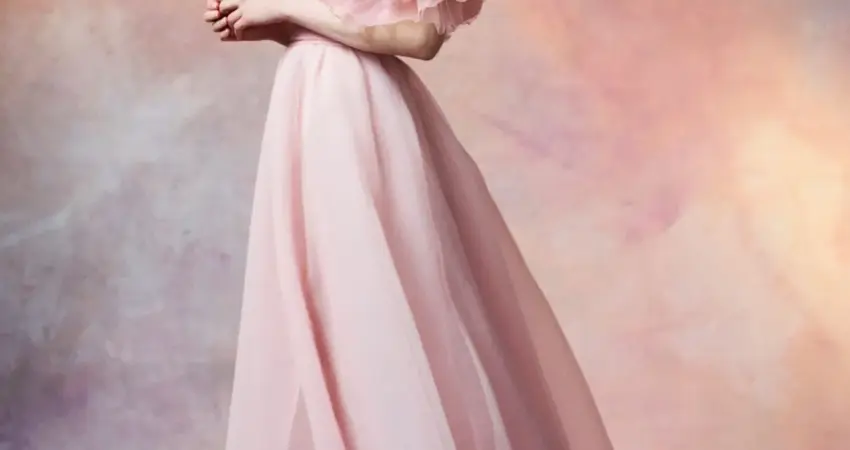
The unveiling of Georgina Chapman’s latest collection for Marchesa marks a significant moment in the spring fashion calendar, signaling a return to the foundational principles of evening wear that have defined the brand since its inception. In an industry often preoccupied with the rapid turnover of aesthetic trends and the disruptive influence of streetwear, Chapman’s spring offering serves as a deliberate pivot toward the perennial. By focusing on a "floral-inspired" motif, the designer has opted to refine and cultivate her existing "garden" of design signatures rather than seeking to dismantle established silhouettes. This strategic decision aligns with a broader movement within the luxury sector where heritage brands are doubling down on craftsmanship and brand DNA to appeal to a demographic that prioritizes longevity and dramatic impact over seasonal fads.
Core Philosophical Tenets of the Spring Collection
The creative impetus behind the new collection is rooted in a specific vision of femininity and the psychological requirements of evening attire. Georgina Chapman has articulated that the Marchesa woman seeks more than just a garment; she seeks an experience characterized by beauty, drama, and the ability to command a room. "Evening is such a specific thing," Chapman noted during the collection’s debut, emphasizing that her clientele consistently desires to feel both beautiful and empowered. The collection is built upon the requirement for a "dramatic entrance," a concept that has become synonymous with the Marchesa label on global red carpets and at high-profile galas.
This philosophy is manifested through a series of gowns that balance traditional romanticism with modern technical execution. The collection moves away from the literal interpretation of "spring florals" in several instances, opting instead for textural depth and structural innovation. The goal, according to the design house, is to create pieces that are "photogenic" and possess "no expiration date," a direct response to the increasing consumer demand for investment-grade luxury items that remain relevant across multiple years and social seasons.
Detailed Analysis of Key Garments and Materials
Among the most technically ambitious pieces in the collection is a blue evening gown designed to mimic the aesthetic of a celestial night sky. Shimmering with silver spangles, the dress utilizes light-reflecting properties to create a sense of movement and depth. This piece serves as a cornerstone of the collection’s "drama" requirement, designed specifically for high-visibility events where lighting plays a critical role in the garment’s presentation.
Another standout ensemble features draped gray tulle layered over a neutral beige base. The complexity of this piece lies in its ornamentation: intricate vines of clipped feather flowers. The use of feathers as a floral surrogate adds a tactile, three-dimensional quality to the gown, bridging the gap between nature-inspired motifs and high-fashion artifice. The juxtaposition of the airy tulle against the structured embroidery demonstrates the brand’s continued mastery of fabric manipulation.
The collection also explores more streamlined silhouettes through the use of crepe. A fuchsia crepe dress, featuring a peplum and a draped flower at the one-shoulder neckline, offers a vibrant, monochromatic take on the floral theme. Similarly, a strapless black gown utilizes a ruffled neckline bedecked with blooms and strategic "deep cuts" under the arms to provide a contemporary edge to a classic evening silhouette. Perhaps the most trend-aligned piece is a gold lace column dress featuring wire-edged 3D blooms. While this garment acknowledges the current industry-wide interest in sheer fabrics and lace, Chapman maintains that its construction is intended to resist the ephemeral nature of the ready-to-wear market.
Chronology and Development of the Collection
The development of the Marchesa spring collection followed a rigorous eight-month timeline, beginning with conceptual sketches that drew inspiration from historical botanical illustrations and 19th-century garden designs.
- Concept Phase (Months 1-2): Chapman and her design team focused on the "Marchesa Garden" theme, selecting a color palette that transitioned from celestial blues and muted grays to vibrant fuchsia and classic black and gold.
- Fabric Sourcing and Development (Months 3-4): Specialized lace was sourced from historic mills in France and Italy, while custom "spangles" and feather elements were developed to meet the specific weight and light-reflection requirements of the evening wear category.
- Prototyping and Draping (Months 5-6): The technical team worked on the "wire-edged" 3D blooms, a process that requires precision engineering to ensure the flowers maintain their shape without adding excessive weight to the lace substrate.
- Final Refinement (Months 7-8): The collection underwent multiple fittings to ensure the "photogenic" quality Chapman emphasized, focusing on how the fabrics behave under flash photography and in motion.
This structured approach ensures that each piece meets the high standards of the evening wear market, which operates on a different logistical and creative cycle than the faster-paced ready-to-wear segments.
Market Context and Supporting Data
The global evening wear market is currently experiencing a period of robust growth, projected to reach a valuation of approximately $32.5 billion by 2028. This growth is driven by a resurgence in large-scale social events, weddings, and international film festivals following the disruptions of the early 2020s. Marchesa occupies a strategic niche within this market, targeting the "ultra-high-net-worth" (UHNW) demographic and the luxury rental sector, which has seen a 15% year-over-year increase in demand for "red carpet-ready" attire.
Data from luxury retailers indicates that consumers are increasingly moving away from "micro-trends"—styles that last only a few months—and are instead investing in "heritage evening wear." Chapman’s observation that evening wear is a "trend-resistant category" is supported by sales data showing that classic silhouettes (such as the column dress or the A-line ballgown) maintain their resale value 25% better than avant-garde or highly trendy seasonal pieces. Furthermore, the emphasis on "photogenic" design is a response to the "Instagram effect," where the success of a luxury brand is often measured by its visibility and aesthetic performance on social media platforms.
Industry Responses and Implications
Initial reactions from fashion critics and luxury buyers have been largely positive, noting the collection’s consistency and its refusal to chase younger, more volatile market segments at the expense of its core identity. Retail analysts from major department stores have indicated that the "fuchsia crepe" and "gold lace" pieces are expected to be high performers for the upcoming spring gala season, citing their versatility and flattering silhouettes.
"The Marchesa spring collection reinforces the idea that luxury is moving toward a ‘slow fashion’ mindset in the evening category," stated one senior buyer from a prominent New York luxury retailer. "By focusing on timelessness, Chapman is providing a sense of security to the consumer. They know that a dress purchased today will still be considered elegant and relevant five or ten years from now."
The implications of this collection extend beyond Marchesa’s own balance sheet. It signals a broader industry trend where designers are reclaiming the "specialist" mantle. In an era where many brands attempt to be everything to everyone—producing sneakers, loungewear, and couture simultaneously—Marchesa’s dedication to the "specific thing" that is evening wear highlights the value of specialization. This approach not only preserves the brand’s prestige but also protects it from the market saturation that often plagues more diversified fashion houses.
The Future of "Trend-Resistant" Luxury
As the fashion industry continues to grapple with issues of sustainability and overproduction, the "no expiration date" philosophy championed by Georgina Chapman offers a potential blueprint for the future of luxury. By creating garments that are intended to be kept, maintained, and even passed down, Marchesa aligns itself with the principles of the circular economy, albeit at a high-entry price point. The focus on durability—both physical and aesthetic—reduces the "churn" of the fashion cycle.
The Marchesa spring collection ultimately serves as a reminder that the "garden" of high fashion requires constant tending rather than constant replanting. By leaning into the drama, the beauty, and the specific needs of the "Marchesa woman," Chapman has delivered a collection that is both a reflection of her brand’s history and a calculated bet on the enduring appeal of traditional elegance. As the spring season approaches, these pieces are poised to populate international red carpets, reinforcing the designer’s status as a primary architect of modern evening glamour.

0 Comments