
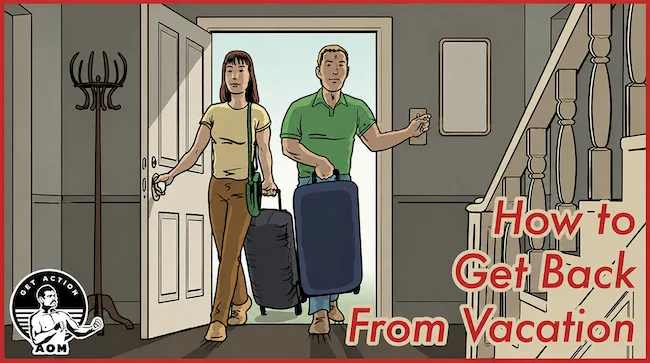
As the peak summer travel season concludes and school calendars resume across the Northern Hemisphere, millions of travelers are confronting the logistical and psychological complexities associated with returning to domestic and professional routines. While significant consumer attention is traditionally directed toward the planning and execution of departures—encompassing itinerary curation, packing protocols, and transportation security—industry analysts and behavioral psychologists suggest that the "return phase" is equally critical to the overall success of a vacation. The transition from a state of leisure to one of high-productivity often triggers a phenomenon known as "post-vacation syndrome" or "re-entry shock," which can negate the restorative benefits of time off if not managed with structural foresight.
The Psychological Framework of Travel Re-entry
The transition from a vacation environment to a domestic one is rarely a seamless process. Behavioral science indicates that the human brain requires a period of recalibration when moving between disparate environments. According to the "Peak-End Rule," a psychological heuristic described by Daniel Kahneman, people judge an experience largely based on how they felt at its peak and at its end, rather than the total sum or average of every moment of the experience. Consequently, a chaotic, stressful return can retroactively diminish the perceived quality of an entire trip.
Logistically, the return involves a convergence of domestic chores, professional obligations, and physical fatigue. Data from travel insurance providers and workplace productivity firms suggest that the first 48 hours back from a trip are the most prone to error and emotional volatility. By implementing a "re-entry game plan," travelers can mitigate these risks and extend the "vacation glow"—the period of increased well-being following a break.
Proactive Pre-Departure Protocols: Mitigating Domestic Friction
Effective re-entry begins before the traveler even departs for their destination. Experts in home management and organizational behavior emphasize that the state of the home upon return significantly influences the traveler’s stress levels. A "closed-loop" system of pre-departure chores ensures that the return environment is welcoming rather than burdensome.
Key domestic protocols include the elimination of perishable waste and the sanitization of common areas. Garbage disposal units and bathroom receptacles should be emptied to prevent the accumulation of odors in a sealed house. Furthermore, the "empty sink" policy—ensuring all dishes are cleaned and the dishwasher is emptied—prevents the immediate onset of domestic labor upon return.
For those with the financial flexibility, outsourcing deep-cleaning services during the vacation period provides a high return on investment. Entering a professionally cleaned home with fresh linens can act as a psychological buffer against the "blues" of returning to reality. Additionally, the "first meal" strategy—stocking non-perishable or frozen convenience foods prior to departure—prevents the need for immediate grocery shopping or expensive, unplanned restaurant visits during the initial hours of return.
The Saturday Strategy: Optimizing Travel Logistics and Psychological ROI
A critical decision in vacation planning is the selection of the return date. While many travelers seek to maximize their time away by returning on a Sunday evening, travel analysts suggest that a Saturday return offers superior logistical and psychological advantages.
From a logistical standpoint, Saturday is frequently a less congested travel day compared to Sunday, which is traditionally the busiest day for domestic and international air travel. Transportation Security Administration (TSA) data consistently shows higher throughput on Sundays, leading to longer wait times and increased terminal density. Furthermore, airline pricing algorithms often reflect this demand; returning on a Saturday can result in lower fare classes and a higher likelihood of seat upgrades.
Psychologically, the Saturday return provides a "buffer day." This 24-hour period serves as a temporal bridge between the vacation and the workweek. Behavioral economists argue that this buffer day offers a higher "Return on Investment" (ROI) than an extra day at a destination. By avoiding a "cold open" into the workweek, travelers allow their circadian rhythms to adjust and their cognitive focus to shift back toward professional responsibilities.
The ‘Reset Day’ Concept: Bridging the Gap Between Leisure and Labor
The day following a return—whether it is a Sunday or a dedicated day of paid time off (PTO)—is increasingly categorized by lifestyle experts as a "Reset Day." This is not a day of leisure, but rather a day of systematic restoration. The primary objective is to clear the logistical backlog created by the absence.
The Reset Day chronology typically involves:
- Physical Restoration: Prioritizing sleep to counteract "jet lag" or general travel fatigue.
- Laundry and Unpacking: Immediate processing of luggage prevents "suitcase creep," where unpacked bags clutter the living space for weeks.
- Nutritional Restocking: A planned trip to the grocery store to replenish fresh produce and essentials.
- Administrative Review: Briefly surveying the upcoming week’s calendar to mentally prepare for appointments and deadlines.
By concentrating these "boring" tasks into a single, dedicated window, the traveler regains a sense of control over their environment, which is a primary deterrent to post-travel anxiety.
Workplace Integration: Strategic Inbox Management
Perhaps the most significant source of post-vacation stress is the professional inbox. For many white-collar workers, the prospect of hundreds of unread emails can lead to "pre-return anxiety." To combat this, productivity consultants recommend a structured approach to communication management rather than a chronological one.
The "25-Minute Sprints" method is often cited as an effective way to handle a backlog. By setting a hard time limit, the worker prevents the task from expanding to fill the entire day. The first pass should involve "triage"—skimming subject lines to delete automated notifications, newsletters, and resolved threads. Once the volume is reduced, the worker can prioritize high-value communications. This strategic skimming ensures that critical issues are addressed immediately while less urgent matters are scheduled for later in the week.
The Economic and Organizational Impact of Post-Vacation Syndrome
From an organizational perspective, the "re-entry" period has measurable economic implications. Human resource studies indicate that "presenteeism"—being physically present at work but mentally disengaged—spikes in the week following major holiday periods. This dip in productivity can cost companies billions of dollars annually in lost output.
Forward-thinking organizations are beginning to recognize this and are encouraging "soft landings." Some firms have implemented policies that discourage scheduling high-stakes meetings or major deadlines on an employee’s first day back from an extended break. By allowing employees the time to utilize the Saturday strategy or a buffer day, companies often see a faster return to peak performance levels and higher overall employee retention.
The Science of Anticipation: Sustaining Mental Well-being Post-Trip
The final component of a successful return is the preservation of the psychological benefits derived from the trip. Research published in the journal Applied Research in Quality of Life suggests that the largest boost in happiness comes from the anticipation of a vacation rather than the trip itself.
To sustain this elevated mood, psychologists recommend "reminiscence therapy" and "future-event scheduling." Reminiscence involves active engagement with the memories of the trip, such as reviewing photographs or integrating a small souvenir into one’s daily workspace. Simultaneously, the "art of anticipation" involves placing a new event on the calendar shortly after returning. This does not necessarily require a major international excursion; even a small weekend outing or a social gathering can provide a future point of focus, preventing the "letdown" that often follows the conclusion of a long-awaited event.
Chronology of an Optimized Return
To summarize the findings of travel and productivity experts, a high-efficiency return follows a specific timeline:
- 48 Hours Before Departure: Perform deep-clean chores and stock "first meal" supplies.
- 24 Hours Before Departure: Empty all waste receptacles and run final dishwasher cycles.
- Travel Day (Saturday): Execute return travel; prioritize hydration and rest.
- Buffer Day (Sunday): Execute the "Reset Day" protocol—unpacking, laundry, and grocery restocking.
- Work Day 1 (Monday): Implement the "Triage" method for email management; avoid high-intensity scheduling.
- Post-Return Week: Review vacation media and schedule the next "anticipation event."
By viewing the return from vacation as a logistical operation requiring its own set of protocols, travelers can ensure that the time and money invested in their leisure actually results in a sustained improvement in their quality of life. The mastery of the return is not merely about chores; it is about protecting the mental and emotional gains of the journey.

0 Comments