
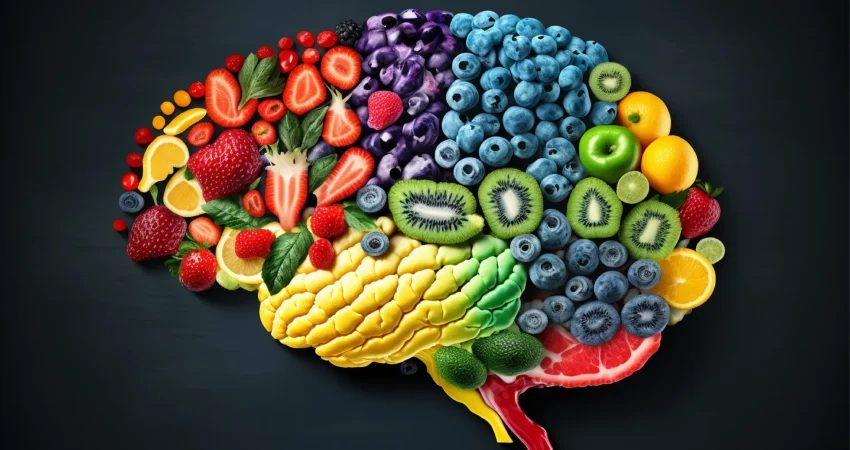
A groundbreaking study published in the Journal of Neurology Neurosurgery & Psychiatry suggests that adhering to the MIND diet, a hybrid of the Mediterranean and DASH diets, can significantly slow down age-related structural changes in the brain. The research, which tracked over 1,600 adults for more than a decade, found a strong correlation between higher adherence to the MIND diet and less brain tissue loss, particularly in grey matter, a critical area for cognitive functions such as memory, learning, and decision-making. Furthermore, the study indicated that individuals who followed the MIND diet more closely experienced less enlargement of the brain’s ventricles, fluid-filled spaces that tend to expand as brain tissue shrinks. These findings offer compelling evidence for the dietary pattern’s potential role in mitigating neurodegenerative processes associated with aging.
Unpacking the MIND Diet: A Nutritional Blueprint for Brain Health
The MIND diet, an acronym for Mediterranean-Dietary Approaches to Stop Hypertension Diet Intervention for Neurodegenerative Delay, has previously garnered attention for its association with improved cognitive health. Developed by researchers at Rush University Medical Center and the University of Illinois at Chicago, it uniquely combines elements from two well-established dietary approaches known for their cardiovascular benefits. The core tenets of the MIND diet emphasize a specific array of nutrient-rich foods, while also recommending limitations on less healthy options.
Key Components of the MIND Diet:
-
Encouraged Foods:
- Green leafy vegetables (e.g., spinach, kale) – at least six servings per week.
- Other vegetables – at least one serving per day.
- Berries (especially blueberries and strawberries) – at least two servings per week.
- Nuts – at least five servings per week.
- Whole grains – at least three servings per day.
- Fish – at least one serving per week.
- Beans – at least four servings per week.
- Olive oil – as the primary cooking oil.
- Poultry – at least two servings per week.
- Moderate wine consumption (optional) – up to one glass per day.
-
Foods to Limit:
- Butter/margarine – less than 1 tablespoon per day.
- Cheese – less than one serving per week.
- Red meat – less than four servings per week.
- Pastries/sweets – less than five servings per week.
- Fried fast foods – less than one serving per week.
This structured approach aims to maximize the intake of antioxidants, healthy fats, and essential vitamins and minerals while minimizing saturated fats, refined sugars, and processed ingredients that can contribute to inflammation and cellular damage. While prior research had hinted at the MIND diet’s cognitive advantages, its direct impact on structural brain changes had remained an area requiring further investigation. The current study addresses this gap by providing detailed neuroimaging data correlated with dietary habits over an extended period.
A Longitudinal Study: Tracking Brain Changes Over Time
The research team meticulously followed 1,647 participants from the Framingham Heart Study Offspring cohort, a well-established research program that has been observing cardiovascular health and related factors for decades. The participants, who were middle-aged and older with an average age of 60 at the study’s commencement, underwent regular health evaluations every four to eight years. Crucially, beginning in 1999, a significant portion of these individuals also received serial MRI brain scans at intervals of two to six years, allowing researchers to capture detailed structural information about their brains over time.
Dietary intake was assessed through at least one Food Frequency Questionnaire (FFQ) completed during check-ups spanning several years (1991-1995, 1995-1998, and 1998-2001). This comprehensive data collection allowed researchers to establish baseline dietary patterns and track adherence to the MIND diet. Each participant also underwent at least two brain MRI scan assessments between 1999 and 2019. A critical inclusion criterion was that participants showed no evidence of stroke or dementia at the time of their first MRI scan, ensuring that the observed changes could be attributed to aging and diet rather than pre-existing neurological conditions.
On average, participants achieved a MIND diet score of just under 7 out of a possible 15, indicating a moderate level of adherence across the cohort. However, the study identified a distinct group of individuals who exhibited significantly higher adherence. Those in the highest third of MIND diet scores were more likely to be women, possess a college education, and be less likely to smoke or be obese. Furthermore, this group demonstrated a lower prevalence of conditions known to negatively impact brain health, such as type 2 diabetes, high blood pressure, and cardiovascular disease, suggesting a broader health profile that likely contributes to their better brain outcomes.
Quantifying the Impact: Higher MIND Scores and Slower Brain Atrophy
Over an average follow-up period of 12 years, the serial MRI scans revealed the expected age-related structural changes in the brains of the participants. These included a decrease in total brain volume, grey matter, white matter, and hippocampal volumes. The hippocampus, in particular, is crucial for memory formation and is one of the first brain regions to be affected by neurodegenerative diseases like Alzheimer’s. Concurrently, the study observed increases in cerebrospinal fluid and ventricular volumes, along with a rise in white matter hyperintensities – bright spots on MRI scans that can indicate microvascular damage.
However, a striking divergence emerged when analyzing the data based on MIND diet adherence. Individuals who demonstrated higher adherence to the MIND diet experienced significantly slower rates of grey matter loss. The researchers quantified this effect, finding that each 3-point increase in the MIND diet score was associated with a slower rate of grey matter loss of 0.279 cm³ per year. This translates to an approximately 20% reduction in age-related decline and is equivalent to delaying brain aging by about 2.5 years, based on this specific metric.
A similar protective pattern was observed in the enlargement of the brain’s ventricles. For every 3-point rise in the MIND diet score, there was a slower expansion of total ventricular volume by -0.071 cm³ per year. This finding is equivalent to an 8% reduction in tissue loss and suggests approximately one year of delayed brain aging in terms of ventricular expansion. These quantitative measures provide robust evidence of the MIND diet’s capacity to preserve brain structure as individuals age.
Key Food Groups: Berries and Poultry Emerge as Particularly Beneficial
Digging deeper into the dietary components, the study identified specific foods within the MIND diet that appeared to exert a more pronounced protective effect. Higher consumption of berries, particularly blueberries and strawberries, was consistently linked to slower increases in ventricular volume. Poultry also stood out, showing an association with both slower ventricular enlargement and a reduced rate of grey matter decline.
Conversely, the study highlighted the detrimental impact of certain food choices. Increased intake of sweets was associated with faster ventricular enlargement and greater hippocampal atrophy. Similarly, a higher consumption of fried fast foods was linked to a more significant decline in hippocampal volume. These findings underscore the importance of focusing on nutrient-dense, whole foods while actively limiting processed and high-sugar items.
The researchers offered a plausible biological explanation for these observations. They suggest that "MIND-recommended foods rich in antioxidants, such as berries, and high-quality protein sources like poultry may reduce oxidative stress and mitigate neuronal damage." Oxidative stress, an imbalance between free radicals and antioxidants, is a well-known contributor to cellular aging and neurodegeneration. Antioxidants found in berries can help neutralize these harmful free radicals. Similarly, high-quality protein from poultry provides essential amino acids for neuronal function and repair. The researchers contrasted this with the negative effects of fried fast foods, noting that these items are "often high in unhealthy fats, trans fats, and advanced glycation end-products, which may contribute to inflammation and vascular damage." Chronic inflammation and compromised vascular health are significant risk factors for cognitive decline and neurodegenerative diseases.
Unexpected Findings and Nuances in Dietary Impact
While the overall trend favored the MIND diet’s protective effects, the study also revealed some unexpected results that warrant further investigation. Higher intake of whole grains, typically considered a healthy component of any diet, was associated with several unfavorable structural changes. Specifically, greater whole grain consumption was linked to faster losses of grey matter and hippocampal volume, as well as more rapid ventricular enlargement. This finding challenges conventional dietary advice and suggests that the type of whole grain or its preparation method might play a role, or that other dietary factors within the whole grain-consuming group might be counteracting the benefits.
In a surprising counterpoint, greater cheese intake, which is typically advised to be limited in the MIND diet, was associated with positive outcomes. Individuals who consumed more cheese showed slower declines in grey matter and hippocampal volume, less ventricular enlargement, and fewer white matter hyperintensities. This observation suggests that moderate cheese consumption, perhaps due to its specific nutrient profile (e.g., calcium, certain fatty acids), might not be as detrimental as initially presumed and could even offer some protective benefits in the context of this specific diet. These findings highlight the complexity of dietary interactions and the need for continued research to refine dietary recommendations.
Demographic Variations: Age, Activity, and Body Weight Influence Outcomes
The study also explored how the benefits of the MIND diet might vary across different demographic groups. The overall associations between MIND diet adherence and slower brain aging remained consistent across several additional analyses. Notably, the protective effects appeared to be stronger among older participants. This suggests that the MIND diet could be particularly beneficial for individuals who are at a greater risk of experiencing faster brain aging or who exhibit more pronounced variations in the pace of brain atrophy.
Furthermore, stronger associations were observed among participants who were more physically active and among those who were not overweight or obese. This finding is significant, as it points towards a synergistic effect between diet and other healthy lifestyle habits. The researchers posited that "combining a brain healthy diet with other healthy lifestyle habits could help reduce the risk of neurodegenerative disease." This underscores the importance of a holistic approach to brain health, integrating nutrition with regular exercise and weight management.
Limitations and Future Directions: Understanding the Nuances
While the findings of this study are compelling, it is crucial to acknowledge its limitations. As an observational study, it cannot definitively establish a cause-and-effect relationship between the MIND diet and slower brain aging. The observed associations indicate a strong correlation, but other unmeasured factors could be at play.
The researchers also pointed out potential biases inherent in food frequency questionnaires, which rely on participants’ self-reported dietary intake. Memory recall can be imperfect, leading to potential inaccuracies in dietary assessment. Additionally, the study could not completely rule out mild cognitive impairment at the time of the first MRI scan, nor could it fully account for potential changes in diet over the long study period or the influence of genetic risk factors on brain aging.
Another important consideration is the demographic makeup of the study population. The participants were predominantly White, which means the findings may not be universally applicable to individuals from other ethnic backgrounds, who may have different genetic predispositions, dietary patterns, and responses to food.
Despite these limitations, the researchers concluded with a strong statement reinforcing the value of the MIND diet. They stated, "These findings reinforce the potential of the MIND diet as a brain-healthy dietary pattern and support its role in strategies aimed at slowing neurodegeneration in aging populations." This research contributes significantly to the growing body of evidence supporting the role of diet in maintaining cognitive function and brain health throughout the lifespan, offering a promising avenue for proactive strategies against age-related cognitive decline and neurodegenerative diseases. Future research could focus on randomized controlled trials to establish causality and explore the impact of the MIND diet in more diverse populations and across different stages of cognitive aging.

0 Comments