
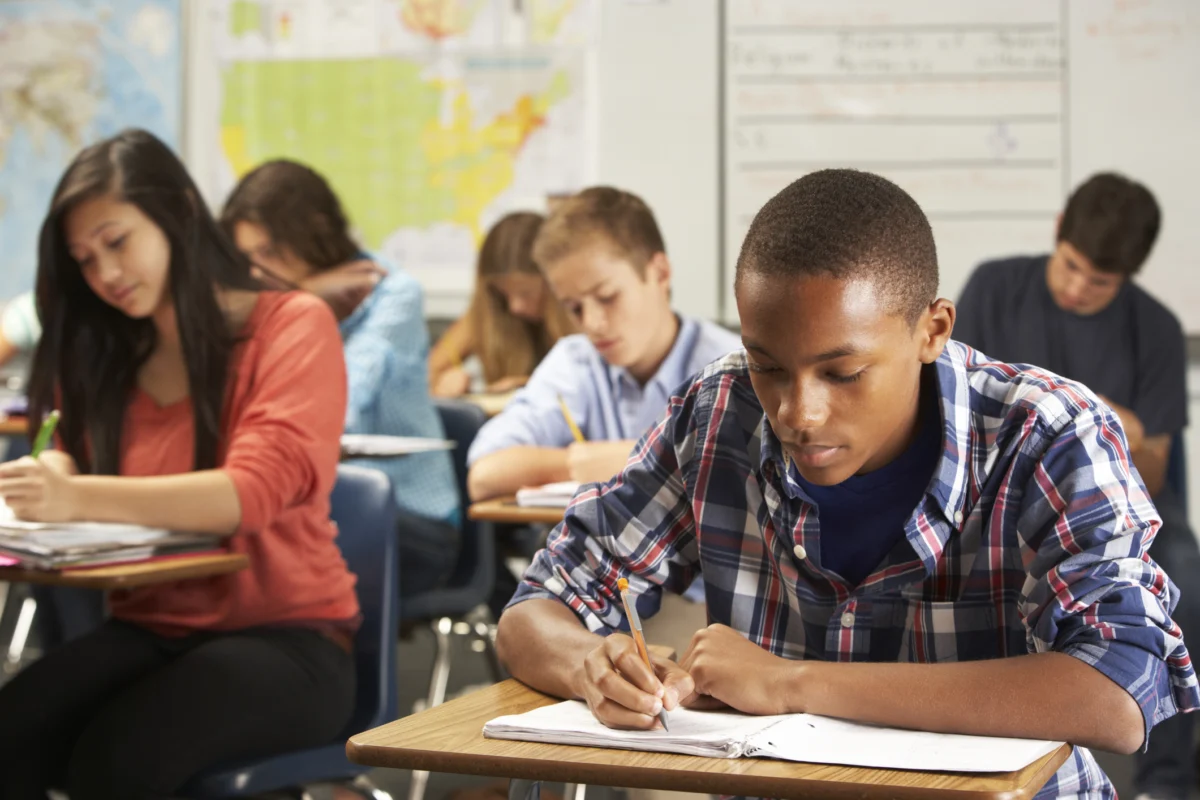
As the 2026 back-to-school season approaches, a familiar wave of apprehension is sweeping through households across the country. While academic preparation and the procurement of supplies often dominate the conversation, the social architecture of the new school year frequently emerges as the primary source of stress for students. A recent surge in discourse on digital platforms like Reddit highlights a specific, recurring concern: the realization that a child has been placed in a classroom separate from their established peer group. This phenomenon, while a standard part of the K-12 experience, triggers complex emotional responses in both children and parents, sparking a debate on whether guardians should intervene or allow their children to navigate the discomfort as a developmental milestone.
The Social Catalyst: A Community Perspective on Class Placement
The discussion gained significant traction following a viral inquiry on the Reddit parenting community, where a mother expressed distress over her child’s lack of familiar friends in her upcoming class assignment. Although the original post was eventually removed, the resulting dialogue among thousands of parents and educators provides a comprehensive look at the modern philosophy of childhood resilience.
The responses generally bifurcated into two camps: those advocating for "natural consequences" and the building of resilience, and those emphasizing the importance of social stability for emotional well-being. For many parents, the initial instinct is to contact school administration to request a transfer. However, veteran parents on the thread cautioned against this. One contributor noted that while the desire to "fix" a child’s discomfort is a hallmark of modern parenting, over-intervention can deprive a child of the opportunity to develop independent problem-solving skills. The consensus among this group was that life rarely guarantees the presence of friends in every environment, and learning to adapt early is a vital life skill.
Conversely, a minority of parents argued that for certain children—particularly those who are highly introverted or struggle with social anxiety—the classroom environment is the primary site of social interaction. They suggested that being isolated from a support system can lead to school avoidance and decreased academic performance. This perspective posits that schools may not always fully grasp the weight of social dynamics on a child’s ability to focus on their studies.
The Educator’s Protocol: The Science of Class Composition
To understand why these situations occur, it is necessary to examine the administrative processes behind class lists. According to educational professionals who participated in the discussion, class placement is rarely a random or arbitrary process. Instead, it is an intricate organizational task that often begins months before the school year ends.
Teachers and administrators typically utilize a "matrix" approach to balance classrooms. This involves several critical factors:
- Academic Parity: Ensuring a mix of high, average, and developing learners so that the teacher can effectively differentiate instruction.
- Behavioral Dynamics: Separating students who may have a history of conflict or those who, when together, create significant disruptions to the learning environment.
- Special Needs and Support: Distributing students with Individualized Education Programs (IEPs) or English Language Learner (ELL) status to ensure that support staff and resources are utilized efficiently.
- Personality Profiles: Matching students with teaching styles that best suit their temperament.
One educator emphasized that when students are separated from their "best friends," it is often a deliberate choice intended to encourage the formation of new social bonds and to prevent the formation of "cliques" that can alienate other students. By disrupting established groups, schools aim to create a more inclusive and diverse social ecosystem within the classroom.
Psychological Context and Supporting Data
Back-to-school anxiety is a documented psychological phenomenon. According to data from the American Psychological Association (APA), approximately 20% of school-aged children experience significant anxiety during the transition from summer to the academic year. While much of this is attributed to workload, "social exclusion" or the fear of being alone consistently ranks among the top three stressors for students between the ages of 8 and 14.
Further research into child development suggests that "managed discomfort"—situations where a child feels uneasy but is not in danger—is essential for the development of the prefrontal cortex, the area of the brain responsible for executive function and emotional regulation. A 2024 study on childhood resilience found that students who successfully navigated at least one major social "reset" (such as a new class or school) during elementary years showed 15% higher adaptability scores in high school compared to those whose parents consistently intervened to maintain social status quo.

Strategies for Fostering Resilience and Social Expansion
For parents navigating this transition in 2026, experts suggest a multi-tiered approach that prioritizes emotional validation without immediately resorting to administrative intervention.
Validating the Emotional Experience
The first step recommended by child psychologists is to "name it to tame it." By acknowledging that being in a class without friends "sucks" or is "scary," parents help children feel heard. Validation does not mean agreeing that the situation is a catastrophe; rather, it means acknowledging the child’s reality. Once the initial emotional wave passes, the conversation can shift toward the potential for new opportunities.
Facilitating "Parallel" Social Lives
Parents are encouraged to remember that the classroom is only one part of a child’s social world. To mitigate the feeling of isolation, parents can proactively schedule playdates or outings with the "old" friend group during weekends or after-school hours. This reinforces the idea that friendships are not tied to a specific room or schedule.
Diversifying Social Portfolios
One of the most effective strategies for reducing school-based anxiety is the diversification of a child’s social circle. By involving children in extracurricular activities—such as sports, music, theater, or community clubs—parents provide them with multiple "anchors." If things are difficult in the classroom, the child still has a sense of belonging and success in their soccer team or art class. This prevents their entire self-worth from being tied to a single classroom dynamic.
Chronology of the Adjustment Period: What to Expect
The transition period for a new class assignment typically follows a predictable timeline. Understanding this can help parents manage their own expectations and anxieties.
- Week 0 (The Reveal): Initial shock, tears, and requests for the parent to "call the principal." This is the peak of the emotional response.
- Week 1 (The First Days): Heightened fatigue and sensitivity. The child is using a high amount of cognitive energy to navigate new social cues.
- Weeks 2-4 (The Observation Phase): The child begins to identify potential new acquaintances. They may start mentioning names of classmates they didn’t previously know.
- Month 2 (The Stabilization): By the end of October, most students have established a "new normal." While they may still miss their old friends, the acute anxiety has usually subsided, and new routines have taken hold.
Analysis: When Is Intervention Justified?
While the prevailing advice is to allow children to adapt, there are specific scenarios where parental intervention is warranted. Journalistic analysis of educational policies suggests that "intervention thresholds" should be met before a parent requests a class change. These include:
- Documented Bullying: If the child is placed in a room with a student who has a documented history of harassing or bullying them, and no safety plan is in place.
- Severe Regression: If the child exhibits signs of clinical depression, such as loss of appetite, inability to sleep, or extreme withdrawal that lasts longer than three weeks.
- Academic Impairment: If the social stress is so profound that the child is unable to participate in lessons or is failing to meet basic benchmarks despite having the ability to do so.
In these cases, a formal meeting with the school counselor or principal is appropriate. However, for the vast majority of students, the "friendless" classroom is not a permanent hardship but a temporary bridge to greater social maturity.
Broader Implications for Social-Emotional Learning (SEL)
The debate over class placements reflects a larger trend in 2026 education: the integration of Social-Emotional Learning (SEL) into the core curriculum. Schools are increasingly viewing social challenges not as obstacles to learning, but as the learning itself. By placing students in new environments, educators are providing a "laboratory" for communication, empathy, and conflict resolution.
As the school year begins, the collective "good vibes" sent by the parenting community serve as a reminder that these challenges are universal. The goal of the modern education system is to produce adults who are not only academically proficient but also socially agile. For the student standing at the classroom door without their best friend, this year may be the most difficult one yet—but it may also be the year they discover who they are outside of the group, a discovery that remains one of the most valuable lessons of the school experience.

0 Comments