
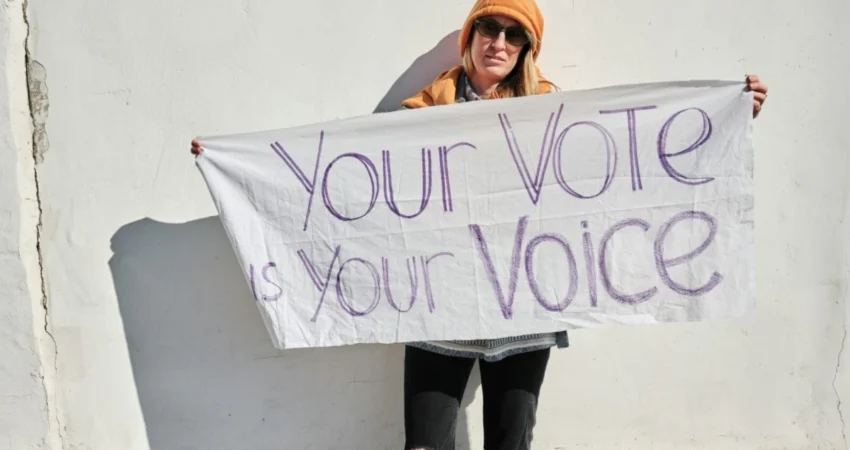
The United States, home to an estimated 85 million mothers, faces a profound and escalating maternal health crisis, consistently ranking as the most dangerous developed nation for childbirth. In response to this alarming reality, two prominent nonpartisan advocacy groups, Chamber of Mothers and Healthy Moms, Healthy Babies America (HMHBA), have jointly launched "Vote Like a Mother," a groundbreaking digital tool designed to empower voters by illuminating state-specific maternal health outcomes and the stances of 2026 gubernatorial candidates on crucial related policies. This initiative, unveiled on September 24, 2026, seeks to transform abstract health statistics into actionable information, enabling a more informed electorate to drive systemic change.

The Alarming State of Maternal Health in the U.S.

The grim statistics surrounding maternal health in the U.S. paint a stark picture of a healthcare system in distress. According to the Centers for Disease Control and Prevention (CDC), the U.S. maternal mortality rate has been on an upward trajectory, diverging sharply from the downward trends observed in most other high-income countries. While precise comparative figures fluctuate annually, the U.S. consistently reports rates significantly higher than the average for Organization for Economic Co-operation and Development (OECD) nations, which typically hover around 10-15 deaths per 100,000 live births. In contrast, recent U.S. data has shown rates exceeding 30 deaths per 100,000 live births, representing a multifaceted failure of public health and policy.

Beyond the tragic figures of maternal mortality, the nation grapples with a widespread crisis of maternal morbidity – non-fatal but severe complications that can profoundly impact a mother’s health and well-being long after childbirth. Conditions such as severe postpartum depression and anxiety, often going unscreened or untreated, affect a substantial portion of new mothers. Similarly, pelvic floor dysfunction, lactation problems, and unchecked blood pressure spikes during the postpartum period are common yet frequently overlooked issues that can lead to chronic health problems. Experts emphasize that an estimated 87% of pregnancy-related deaths are preventable, highlighting critical "gaps" in care that this initiative aims to address. These gaps are not merely clinical oversights but systemic failures rooted in policy and resource allocation.

Compounding this crisis are significant racial and geographic disparities. Black women in the U.S. are disproportionately affected, facing more than three times the risk of pregnancy-related death compared to white women. American Indian and Alaska Native women also experience roughly twice the likelihood. These disparities are not solely biological but are deeply intertwined with systemic racism, implicit bias within healthcare, socioeconomic inequalities, and unequal access to quality care. Furthermore, rural communities bear a heavy burden, with increasing numbers of "maternity care deserts" emerging as labor and delivery units in rural hospitals close due to financial pressures, staffing shortages, and consolidation trends. This leaves expectant mothers in vast areas without local access to essential obstetric services, forcing long and often dangerous journeys for childbirth and postpartum care.

Introducing "Vote Like a Mother": A Tool for an Informed Electorate

The "Vote Like a Mother" guide emerges as a direct response to this urgent need for transparency and accountability. Developed collaboratively by Chamber of Mothers and Healthy Moms, Healthy Babies America, the free online tool empowers individuals to understand how their state performs in maternal health and how their elected officials, or those aspiring to be, are addressing these issues.

Upon accessing the platform (votelikeamother2026.com), users can select their state to gain immediate insight into its specific maternal mortality rate, benchmarked against the average of developed nations. Crucially, the guide then presents the profiles of gubernatorial candidates on the 2026 ballot, detailing their past voting records, stated policy platforms, and public statements pertaining to maternal health. This innovative approach aims to demystify complex policy debates and connect them directly to tangible health outcomes, making the issue clear and actionable for the average voter. For instance, the guide could highlight a candidate’s stance on Medicaid expansion, rural hospital funding, or initiatives for expanded postpartum home visits, enabling voters to align their ballots with their values regarding maternal well-being.

A significant focus of the guide is on the often-neglected postpartum period. Research cited by the campaign indicates that approximately one-third of pregnancy-related deaths occur in the year following birth, long after the traditional six-week postpartum checkup. Disturbingly, about 40% of new mothers do not attend even this initial postpartum visit, exacerbating the risks associated with issues like undiagnosed depression, unaddressed physical recovery needs, and missed warning signs for serious complications. By highlighting this critical window and connecting it to candidate policies, "Vote Like a Mother" underscores the profound impact of state-level decisions on the continuum of maternal care.

State-Level Policy: The Crucial Lever for Change

While national policies and federal funding play a role, the vast majority of direct policy levers impacting maternal health are held at the state level. The 2026 elections, with 36 states electing governors, represent a pivotal moment for shaping these policies. Governors and their respective state legislatures wield significant power over healthcare funding, regulatory frameworks, and public health initiatives that directly influence the lives of mothers and babies.

One of the most concrete and impactful policy fixes on the table is the extension of postpartum Medicaid coverage. Historically, many states have limited Medicaid coverage to just 60 days post-birth, leaving a significant gap in care during a vulnerable period for new mothers. For example, Arkansas is specifically noted in the original article for its 60-day coverage. Extending this coverage to a full year, as recommended by leading medical organizations like the American College of Obstetricians and Gynecologists (ACOG), can drastically improve access to mental health services, chronic disease management, and ongoing physical recovery support, directly addressing the preventable causes of maternal mortality and morbidity. The "Vote Like a Mother" guide meticulously maps candidates’ positions on such extensions, offering voters clarity on who supports comprehensive postpartum care.

Beyond Medicaid, state governments influence:

- Rural Healthcare Infrastructure: Policies regarding the allocation of funds to maintain or reopen labor and delivery units in rural areas, incentives for obstetricians and midwives to practice in underserved regions, and investments in telehealth services to bridge geographic divides.
- Maternal Mental Health Services: State-level mandates for universal postpartum mental health screening, funding for perinatal mood and anxiety disorder (PMAD) programs, and licensing requirements for mental health professionals specializing in maternal care.
- Public Health Programs: Support for home visiting programs, which provide critical education and support to new parents, and community health worker initiatives that connect mothers to local resources.
- Workplace Protections: State laws regarding paid family leave, breastfeeding accommodations, and protections against pregnancy discrimination, all of which contribute to a supportive environment for new mothers.
The guide’s emphasis on state races is strategic, acknowledging that while the national crisis is widely recognized, the solutions are often implemented through localized policy decisions. By providing voters with information on gubernatorial candidates, who, along with their legislatures, are the primary architects of state healthcare policy, the initiative aims to catalyze a bottom-up approach to improving maternal health outcomes.

The Architects of Advocacy: Chamber of Mothers and HMHBA

"Vote Like a Mother" is the product of a collaborative effort between two dedicated nonpartisan organizations. Chamber of Mothers, a 501(c)(3) nonprofit, has established itself as a powerful voice for maternal well-being, organizing mothers across the country through its more than 50 local chapters. The organization’s advocacy spans critical issues including paid family leave, access to affordable childcare, and comprehensive maternal healthcare. Its grassroots approach mobilizes a diverse demographic of mothers, uniting them around shared policy priorities.

Healthy Moms, Healthy Babies America (HMHBA), co-founded by Olivia Walton and Cara Osborne in 2026, launched with an ambitious and urgent mission: to cut the U.S. maternal death rate in half within five years. This bold objective underscores the severity of the crisis and the organizations’ commitment to achieving measurable results through evidence-based policy advocacy. HMHBA focuses on national awareness and policy change, complementing Chamber of Mothers’ grassroots mobilization.

Both organizations explicitly position maternal health as one of the few issues capable of garnering genuine bipartisan support. They recognize that the well-being of mothers and children transcends political divides, appealing to fundamental societal values. The "Vote Like a Mother" guide is a direct manifestation of this belief, serving as a tool to channel this latent cross-party concern into concrete electoral action. The nonpartisan nature of the guide is critical, ensuring its broad appeal and credibility across the political spectrum, focusing solely on the data and candidates’ records rather than partisan endorsements.

Leadership Perspectives on the Crisis and Solution

The leaders behind "Vote Like a Mother" articulate a clear vision for change, rooted in the understanding that the current crisis is a failure of political will and systemic neglect.

Erin Erenberg, CEO of Chamber of Mothers, powerfully states, "The solution to America’s maternal health crisis isn’t hard to conjure, yet too many elected officials, regardless of party, continue to overlook what moms ask for and need: paid leave, affordable, accessible childcare, and robust investments in maternal healthcare." Her statement underscores a frustration with the persistent inaction despite clear pathways to improvement. Erenberg defines "voting like a mother" as "voting your values and for candidates and ballot measures that support a safe, healthy, and whole experience for moms and kids alike." This definition transforms the act of voting from a mere civic duty into a deeply personal and protective act, driven by the profound responsibilities of parenthood. The guide, in this context, becomes an essential instrument for aligning personal values with political choices.

Echoing this sentiment, Robin Reck, Executive Director of HMHBA, highlights the profound injustice embedded in the current system: "It’s unacceptable that where you live still determines whether you survive having a baby in this country, and unconscionable that most moms have no idea how their own state stacks up." Reck’s statement points to the geographic lottery that dictates maternal outcomes, a reality that the guide directly confronts by providing localized data. Her rallying cry, "This year, no mom should have to choose between her family and her vote. Her vote is how she protects her family," encapsulates the urgent imperative for mothers to leverage their electoral power. This emphasizes that political engagement is not an abstract exercise but a direct means of safeguarding the health and future of their loved ones.

Empowering the Electorate: A Path Forward

The launch of "Vote Like a Mother" represents a significant step toward empowering the vast and often underestimated demographic of mothers in the United States. By providing clear, accessible data and candidate information, the guide aims to transform the political landscape surrounding maternal health. It addresses a critical void: the disconnect between the lived experiences of mothers and the policy decisions made by their elected representatives.

The initiative’s potential impact on the 2026 elections and beyond is substantial. With 85 million mothers in the U.S., a collective, informed vote could fundamentally shift state legislative agendas. By elevating maternal health from a niche concern to a prominent electoral issue, the guide compels candidates to articulate clear, evidence-based plans for improving outcomes. This could lead to a wave of policy reforms, including the widespread adoption of year-long postpartum Medicaid coverage, increased investment in rural healthcare infrastructure, and expanded access to mental health support for new parents. The success of this model could also inspire similar data-driven voter education initiatives in other critical policy areas, demonstrating the power of transparent information in fostering a more responsive democracy.

In conclusion, "Vote Like a Mother" is more than just a voter guide; it is a declaration of intent. It asserts that the health of a nation is inextricably linked to the well-being of its mothers and that every vote cast with maternal health in mind is a step towards a healthier future for all families. By putting crucial data and candidate information directly into the hands of voters, particularly mothers, the initiative offers a tangible pathway to translating collective concern into meaningful policy action, aiming to reverse the tragic trend of maternal mortality in the United States.

0 Comments