
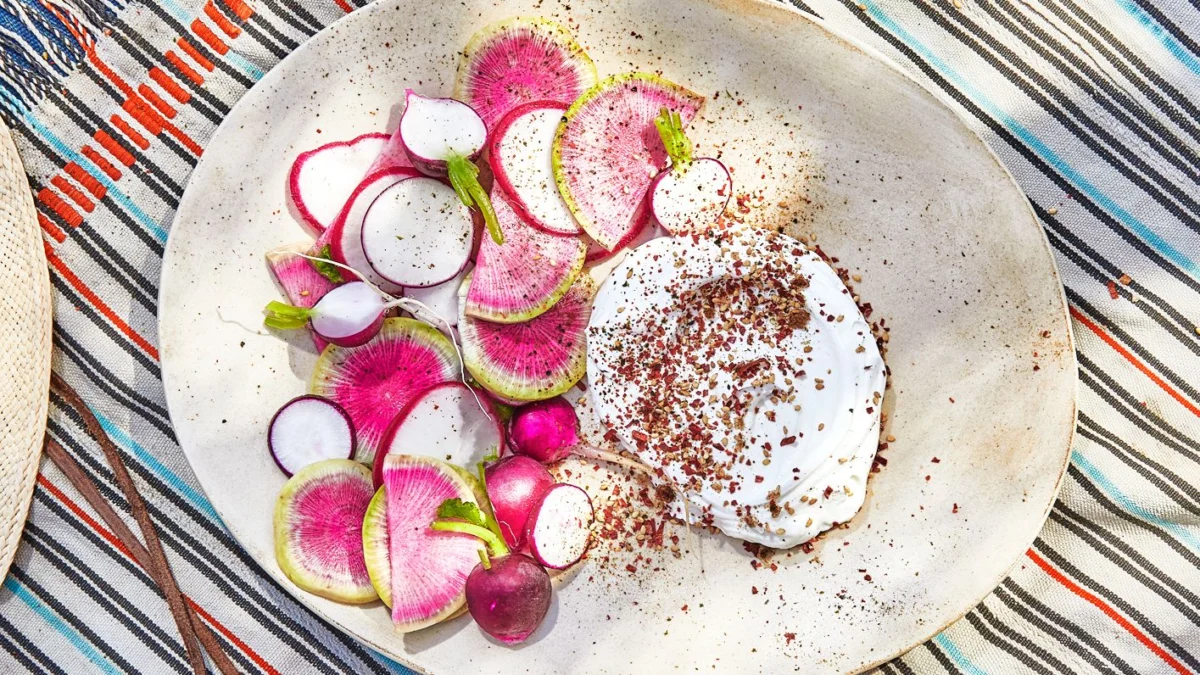
Radishes, often relegated to a garnish or an afterthought, are experiencing a quiet renaissance in kitchens worldwide. These crisp, peppery roots, with their vibrant colors and diverse flavor profiles, are proving their mettle as far more than a simple salad addition. From their zesty raw crunch to their surprisingly mellow, sweet, and earthy cooked character, radishes, when treated with culinary respect, possess the potential to elevate a dish from ordinary to extraordinary. This burgeoning appreciation is particularly timely as spring radishes begin their seasonal ascent at farmers’ markets, showcasing an array of varieties that invite exploration beyond the ubiquitous red globe.
A Deep Dive into Radish Versatility
The common perception of the radish often centers on its raw application, where its characteristic peppery bite and refreshing crispness add a welcome textural and flavor dimension to salads, crudités platters, and even as a vibrant topping for avocado toast. However, the culinary landscape of the radish extends far beyond this singular presentation. When subjected to heat, radishes undergo a remarkable transformation. Roasting, sautéing, or braising mellows their inherent spice, unveiling a subtle sweetness and an earthy depth that can complement a wide range of ingredients. This duality in flavor and texture is precisely what positions the radish as a versatile ingredient capable of starring in its own right.
The recent surge in interest surrounding the radish can be partly attributed to a growing movement among chefs and home cooks to explore underutilized or frequently overlooked ingredients. This trend is amplified by the increasing availability of diverse radish varieties, moving beyond the standard red radish found in most supermarkets. Farmers’ markets, in particular, have become hubs for these more adventurous specimens. Vibrant watermelon radishes, with their striking pink interiors and green exteriors, offer a milder, sweeter profile. The robust, dark-skinned black Spanish radishes deliver a more intense peppery punch, ideal for those seeking a bolder flavor. Other colorful cultivars, such as daikon radishes, French breakfast radishes, and Easter egg radishes, further expand the palate of possibilities, each offering a unique visual appeal and subtle flavor nuances that encourage culinary experimentation.
Furthermore, the often-discarded radish greens are now gaining well-deserved attention. These leafy tops, possessing a flavor profile that can range from slightly bitter to pleasantly peppery, are increasingly being incorporated into dishes. Stir-fries, pestos, and even wilted side dishes are showcasing the culinary potential of radish greens, mirroring the broader trend of minimizing food waste and maximizing the use of every edible part of a plant. This holistic approach to the radish plant underscores its surprising and multifaceted nature.
Historical Roots and Cultivation
The radish’s journey to the modern kitchen is a long and storied one, tracing its origins back thousands of years. Archaeological evidence suggests that radishes were cultivated in ancient Egypt, where they were prized not only for their culinary value but also for their perceived medicinal properties. Hieroglyphs found in Egyptian tombs depict radishes, and historical texts mention their use in offerings to the gods. From Egypt, the cultivation of radishes spread to Greece and Rome, where they became a staple food. The Romans, in particular, were fond of radishes, with Pliny the Elder describing them as a valuable crop.

During the Middle Ages, radishes continued to be a significant part of European diets, particularly in Northern Europe. Different varieties began to emerge, adapted to various climates and culinary preferences. The development of the modern, globe-shaped radish is largely credited to European breeders. By the 17th century, radishes were being cultivated in a wide range of colors and sizes, indicating a long history of selective breeding for desirable traits.
The introduction of radishes to the Americas occurred with European colonization. Spanish explorers brought radishes to the Caribbean and Mexico in the 16th century, and from there, they gradually spread throughout the continent. Over centuries, local varieties were developed and adapted, further diversifying the radish family.
Today, radishes are cultivated globally, with major producing regions including China, Japan, India, and various European countries. Their relatively short growing season and adaptability to different soil types make them a commercially viable crop. The global market for radishes is estimated to be worth several hundred million dollars annually, with consistent growth driven by increasing consumer demand for fresh, healthy, and diverse produce. Data from agricultural organizations indicates that while China is the largest producer, consumption patterns vary significantly by region, with Europe and North America showing a notable increase in the demand for specialty and heirloom varieties.
Culinary Applications and Innovations
The resurgence of the radish in contemporary cuisine is not merely a matter of rediscovering an old favorite; it is also a testament to the creativity of chefs and food enthusiasts who are pushing the boundaries of its application. Beyond the traditional salad, radishes are now appearing in a multitude of innovative dishes.
Raw Preparations:
- Pickled Radishes: Quick-pickling radishes in vinegar, sugar, and spices offers a tangy, slightly sweet counterpoint to rich dishes, sandwiches, and tacos. This method also extends their shelf life and adds a delightful crunch.
- Radish Carpaccio: Thinly sliced radishes, often drizzled with olive oil, lemon juice, and sea salt, create an elegant and refreshing appetizer. The subtle peppery notes are beautifully enhanced by simple seasonings.
- Radish Slaw: Finely shredded radishes, mixed with other shredded vegetables and a light vinaigrette, provide a vibrant and crunchy alternative to traditional coleslaw.
Cooked Preparations:

- Roasted Radishes: Roasting brings out the natural sweetness of radishes, transforming their texture into something tender and slightly caramelized. They pair exceptionally well with herbs like thyme and rosemary, and can be served as a side dish or incorporated into grain bowls.
- Sautéed Radish Greens: As mentioned, the greens are increasingly used. Sautéing them with garlic and a touch of chili flake creates a flavorful and nutritious side dish.
- Radish Soup: Creamy soups featuring radishes, often combined with potatoes or leeks, offer a surprisingly comforting and subtly spiced dish.
- Braised Radishes: Braising radishes in stocks or wine, often with aromatics, yields a tender and deeply flavorful result, showcasing their earthy undertones.
The trend of "root-to-stem" cooking has significantly contributed to the increased utilization of radishes and their greens. This philosophy encourages chefs and home cooks to utilize every part of the produce, thereby reducing waste and discovering new culinary possibilities. This movement aligns with broader sustainability initiatives within the food industry.
Expert Perspectives and Industry Trends
Chefs and culinary experts are increasingly championing the radish, highlighting its untapped potential. Chef Anya Sharma, known for her innovative use of seasonal produce, commented in a recent interview, "For too long, the radish has been pigeonholed. Its bright acidity, its subtle heat, its remarkable transformation when cooked – these are qualities that deserve to be explored. We’re seeing a shift towards appreciating ingredients for their full spectrum of flavor and texture, and the radish is a perfect example of this evolution."
The increased presence of diverse radish varieties in specialty grocery stores and farmers’ markets is a direct reflection of evolving consumer preferences. Food trend forecasters have identified "underappreciated vegetables" as a significant growth area, with radishes topping several lists. This indicates a growing demand for unique ingredients that offer both visual appeal and complex flavor profiles.
The economic implications of this trend are also noteworthy. As demand for specialty radishes increases, farmers are incentivized to cultivate a wider variety of these crops, leading to greater biodiversity in agricultural offerings. This can also translate to increased revenue for smaller farms and a more robust local food economy. The global market for root vegetables, including radishes, is projected to continue its upward trajectory, with a growing segment dedicated to specialty and niche varieties.
The Future of the Radish on the Plate
The journey of the radish from a humble garnish to a celebrated culinary star is well underway. As consumers become more adventurous in their food choices and chefs continue to innovate, the radish is poised to secure its place as a versatile and indispensable ingredient. The emphasis on seasonality, sustainability, and the exploration of underutilized produce will undoubtedly continue to fuel this trend.
The growing appreciation for the radish is not just a fleeting culinary fad; it represents a deeper engagement with the food we eat, a willingness to explore beyond the familiar, and a recognition of the incredible diversity and potential that lies within even the most unassuming of vegetables. The crisp, peppery bite or the mellow, earthy sweetness of the radish, in its myriad forms, offers a compelling invitation to rediscover a classic and embrace the future of flavorful, conscious cooking. The humble radish, it seems, is finally getting the recognition it so richly deserves.

0 Comments