
Cellular immunotherapies have revolutionized the treatment landscape for certain hematologic malignancies, offering new hope and improved outcomes for patients with blood and lymphatic cancers. These groundbreaking therapies leverage the power of the body’s own immune system to identify and eliminate cancerous cells. However, the translation of this success to solid tumors has been a significant hurdle. Solid tumors present a formidable defense, creating a hostile microenvironment that impedes immune cell infiltration and actively suppresses immune responses. Now, a pioneering effort by researchers at Stanford Medicine, in collaboration with other institutions, has unveiled a novel strategy to overcome these challenges, potentially ushering in a new era of cancer treatment.
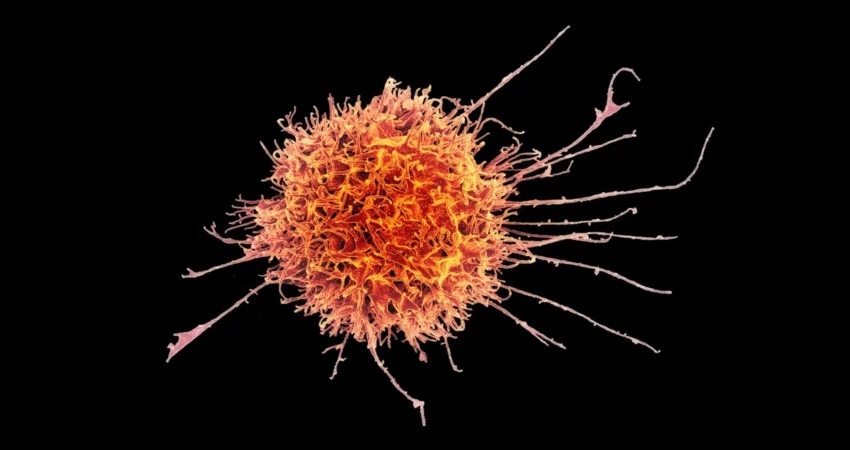
The innovative approach focuses on re-engineering natural killer (NK) cells, a crucial component of the innate immune system known for its rapid and potent ability to target abnormal cells. The Stanford team has successfully transformed these versatile immune cells into a specialized, tissue-resident form, endowing them with the remarkable capacity to penetrate solid tumors and effectively destroy cancer cells. This breakthrough represents a significant leap forward in the fight against cancers that have historically resisted conventional immunotherapeutic interventions.
"We have demonstrated that these engineered tissue-resident natural killer cells exhibit a substantially improved ability to infiltrate solid tumors compared to conventional NK cells," stated Dr. John Sunwoo, the Edward C. and Amy H. Sewall Professor in the School of Medicine and senior author of the study. "The results were remarkably consistent, striking, and unequivocally clear." The findings, published last month in the prestigious journal Science Translational Medicine, detail the meticulous process of this cellular transformation and its promising preclinical efficacy.
The co-lead authors of this seminal study are Dr. Nina Horowitz, a former doctoral student in otolaryngology; Dr. Imran Mohammad, a postdoctoral fellow in the Sunwoo lab; and Dr. June Ho Shin, a senior scientist within the Sunwoo lab. Their collective expertise and dedicated research have been instrumental in bringing this complex cellular engineering feat to fruition.
Natural Killer Cells: A Renewed Focus Against Solid Tumors
The experimental therapy, developed by the Stanford team, was rigorously tested in preclinical models using mice. The results were highly encouraging, with the modified NK cells demonstrating a significant ability to slow the growth of various types of solid tumors. The therapeutic effect was further amplified when the engineered NK cells were administered in conjunction with an antibody treatment. This adjunctive therapy acts as a guide, helping to direct the NK cells more precisely toward cancer cells, thereby enhancing their tumor-targeting capabilities.
Beyond their enhanced efficacy, these engineered NK cells hold the potential for a crucial practical advantage: the possibility of becoming an "off-the-shelf" therapy. Natural killer cells, unlike other immune cells such as T cells, do not typically elicit an immune rejection response when transferred between individuals. This is a stark contrast to most current cellular immunotherapies, which require personalized manufacturing from a patient’s own cells – a process that is time-consuming, expensive, and often poses logistical challenges. The ability to produce these modified NK cells in large batches, freeze them, and make them readily available could dramatically increase accessibility for a wider patient population.
"This could essentially become an off-the-shelf drug," Dr. Sunwoo elaborated, envisioning a future where cell therapy is not limited by the constraints of individual patient processing. "It has the potential to make cell therapy far more accessible to a broader spectrum of patients." This shift towards readily available cell therapies could significantly reduce treatment delays and improve patient outcomes, especially for those with aggressive or rapidly progressing cancers.
The Significance of Tissue-Resident Immune Cells
Natural killer cells were first identified in the 1970s, their name aptly reflecting their innate ability to swiftly recognize and eliminate abnormal cells, including cancerous growths and virus-infected cells. A key distinction of NK cells, compared to other lymphocytes like B cells and T cells, is their "pre-trained" nature. They do not require prior exposure to a specific antigen to initiate an attack, allowing for immediate and robust responses to threats.
Historically, immunological research has largely focused on immune cells circulating within the bloodstream. These mobile sentinels, including B cells, T cells, and NK cells, traverse the body in search of pathogens and diseased cells. However, a growing body of research highlights the critical role of immune cells that establish residence within specific tissues. These tissue-resident immune cells adapt their functions to the unique demands and microenvironment of their local niche, becoming specialized guardians of specific organs and tissues.
"For an extended period, the study of immunology and disease in humans was predominantly concentrated on circulating immune cells within the blood," Dr. Sunwoo explained. "With the rapid advancements in technology and bioinformatics, we are now increasingly shifting our focus to understand the complex immunological processes occurring within tissues. For the vast majority of immune cells, the tissue is where the critical action unfolds."
Tissue-resident NK cells are found in various tissues, including the skin, mucous membranes, lungs, and liver. Their precise roles and functions have been a subject of ongoing scientific investigation, with earlier studies yielding conflicting results. Some research suggested these cells were relatively weak in their cytotoxic capabilities and could even suppress immune responses, while other findings pointed to their potent ability to destroy target cells.
Dr. Sunwoo suggests a nuanced understanding: "They may adopt different functions based on specific cues within the microenvironment and the tissue, and consequently differentiate into distinct subpopulations." This plasticity allows them to adapt to different physiological conditions. For instance, in early pregnancy, immune-suppressing tissue-resident NK cells within the uterine lining play a vital role in preventing the maternal immune system from rejecting the fetus and in supporting placental development. However, for cancer treatment, the aggressive, tumor-eliminating subtype is paramount.
Unraveling the Cellular Recipe for Potent NK Cells
Evidence had previously hinted at the existence of two distinct forms of tissue-resident NK cells, but the precise mechanisms governing their development and the reasons for their divergent functional profiles remained elusive. The Stanford research team embarked on a quest to decipher this complex cellular puzzle.
Their investigation involved isolating circulating NK cells from healthy human blood donors. These cells were then subjected to various combinations of carefully selected cellular signaling molecules. A critical component in this process emerged as transforming growth factor beta (TGF-β), a signaling protein abundantly produced by many cell types, including tumor cells. TGF-β plays a pivotal role in cellular differentiation and development. However, the researchers discovered that both the amount and the duration of the TGF-β signal were critically important for determining the NK cells’ eventual function.
"It’s akin to a ‘Goldilocks’ scenario," Dr. Sunwoo explained, highlighting the delicate balance required. "If you provide just enough of a TGF-β signal, the natural killer cells transform into tissue-resident cells with potent cytotoxic activity against malignant cells. However, if you administer too much TGF-β, they remain tissue-resident but become inhibited and dysfunctional, losing their killing ability. The signal needs to be presented to the NK cells in precisely the right quantity and in the correct manner."
The initial experiments confirmed that TGF-β was essential for inducing the tissue-resident phenotype in NK cells. However, prolonged exposure to TGF-β resulted in cells with diminished killing capacity. This finding underscored the need for a more refined approach.
A breakthrough came with a different experimental strategy. The researchers discovered that briefly exposing NK cells to short-lived human epithelial tumor cells proved highly effective. These tumor cells provided a transient burst of active TGF-β. This controlled, limited exposure successfully generated tissue-resident NK cells that exhibited potent tumor-killing activity. Furthermore, direct physical interaction between the NK cells and the epithelial tumor cells was found to be essential. Merely placing the cells in close proximity was insufficient, suggesting that additional activating signals, mediated through cell-to-cell contact, were involved in driving the desired aggressive phenotype.
"These two distinct populations of tissue-resident natural killer cells appear very similar morphologically, and they share some developmental requirements," Dr. Sunwoo noted. "However, their functional capabilities seem to lie at opposite ends of the spectrum."
Differentiating the Potent Killer Cells
To further elucidate the distinctions between the two tissue-resident NK cell populations, the team conducted detailed comparative analyses. Both types of cells expressed the surface proteins CD49a and CD103, indicating their tissue-resident status. However, only the highly effective cancer-killing cells exhibited expression of CD39, a molecule that plays a role in immune regulation and can influence cellular metabolism.
Crucially, the more potent NK cells possessed a significantly greater abundance of the molecular machinery required for target cell destruction. This included higher levels of perforin, a pore-forming protein that creates openings in the membranes of target cells, and granzyme A, a cytotoxic enzyme delivered through these perforations to induce apoptosis (programmed cell death). The presence of these effector molecules directly correlated with the enhanced tumor-killing capacity observed in the engineered cells.
Evidence of Tumor Growth Inhibition in Preclinical Models
With a reliable method established for generating these more aggressive, tissue-resident NK cells, the researchers proceeded to evaluate their ability to infiltrate and combat solid tumors in vivo. In controlled laboratory experiments, the modified NK cells demonstrated a remarkable capacity to penetrate three-dimensional tumor organoids grown in culture dishes.
Subsequent injections of these engineered cells into mice bearing various solid tumors resulted in a significant slowing of tumor growth over periods of days and weeks. The tumors treated included those derived from human melanoma and head and neck squamous cell carcinoma, two notoriously challenging cancers.
The most profound anti-tumor effects were observed when the modified NK cells were administered in combination with cetuximab, a well-established monoclonal antibody. Cetuximab functions by binding to certain cancer cells and marking them for destruction by the immune system, thereby enhancing immune-mediated attack. Cetuximab is currently approved for the treatment of metastatic colorectal cancer and advanced head and neck squamous cell carcinoma, though its efficacy when used alone is often limited.
The combination therapy, comprising a single dose of the engineered NK cells and cetuximab, demonstrated a substantially greater suppression of tumor growth in mice over a one-month period compared to either treatment administered independently. Importantly, the researchers did not observe any apparent adverse side effects associated with this combination therapy in the animal models.
"Even at day 30, when the control mice exhibited signs of illness, the mice that received the combination therapy appeared remarkably healthy," Dr. Sunwoo reported. He cautioned, however, that these findings, while promising, represent a proof of concept and that direct extrapolation from mouse models to human patients requires further investigation and clinical validation.
Paving the Way for an "Off-the-Shelf" Cellular Therapy
Building on these encouraging preclinical results, Dr. Sunwoo and his team are actively preparing to initiate a Phase I clinical trial. This trial will evaluate the safety and preliminary efficacy of the combination therapy in human patients diagnosed with advanced squamous cell carcinoma. Pending approval from the U.S. Food and Drug Administration (FDA), the trial could commence by the end of the current year, marking a critical step towards translating this laboratory innovation into a tangible patient benefit.
Dr. Sunwoo has also developed and applied for a patent for a novel method of producing and expanding large quantities of these modified cells, technically termed cytotoxic tissue-resident natural killer cells. This proprietary manufacturing process is designed to ensure consistent quality and scalability.
According to the research team’s projections, NK cells collected from a single donor could potentially yield approximately 20 therapeutic doses within a timeframe of roughly two weeks. This efficient production cycle is a cornerstone of the "off-the-shelf" vision.
"These doses would be cryopreserved, allowing us to create a substantial inventory and administer them to different patients without delay," Dr. Sunwoo emphasized. "This eliminates the waiting period often associated with personalized cell therapies." This streamlined approach holds immense promise for democratizing access to advanced immunotherapies, making them a viable option for a much larger patient population.
The collaborative nature of this research is highlighted by the contributions from researchers at Ohio State University and Washington University School of Medicine, underscoring the power of inter-institutional partnerships in advancing scientific discovery. Funding for this groundbreaking work was provided by grants from the National Institutes of Health (R35DE020054, K22CA282364, and R25DC020174), the Tai Tsun Wu Research Fund for Natural Killer Cell Immunotherapy, and the Stanford Bio-X Fellowship, all of which have been instrumental in supporting this critical research endeavor. The successful translation of this technology could fundamentally alter the treatment paradigm for many solid tumors, offering a new beacon of hope for patients worldwide.

0 Comments