
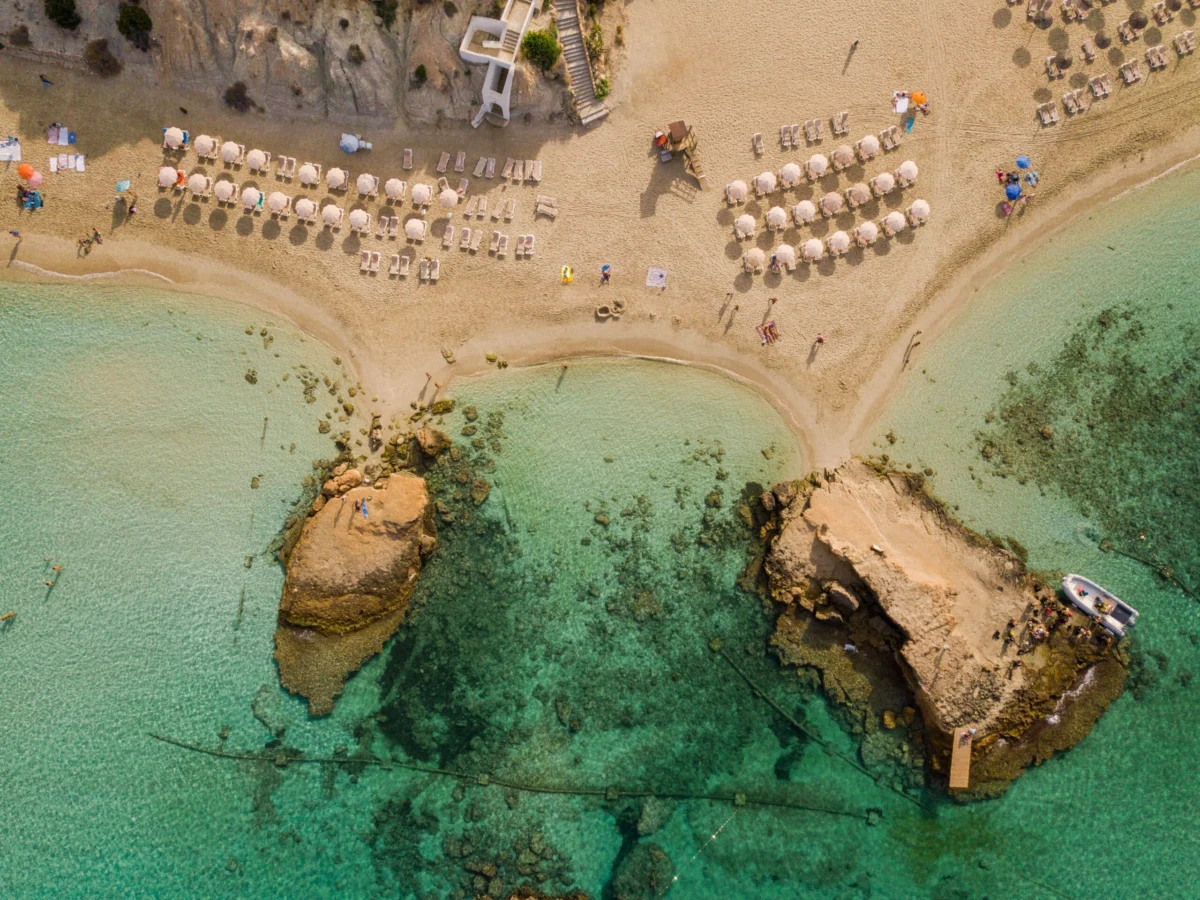
Spain occupies a unique position in the global tourism landscape, defined largely by its extensive and diverse coastline that stretches for approximately 3,000 miles (4,800 kilometers). While the perennial favorites of the Mediterranean—Italy’s Amalfi Coast and the Greek Isles—often dominate the travel discourse, Spain’s coastal offerings provide a distinct blend of high-energy urban centers, secluded fishing villages, and rugged Atlantic landscapes. The nation’s maritime geography is divided between the calm, turquoise waters of the Mediterranean Sea and the cooler, more dramatic swells of the Atlantic Ocean and the Bay of Biscay. This geographical diversity ensures that the Spanish coast caters to a wide spectrum of travelers, from those seeking the avant-garde nightlife of the Balearic Islands to those pursuing the culinary excellence of the Basque Country.

The economic significance of these coastal regions cannot be overstated. According to the Spanish National Institute of Statistics (INE), tourism accounts for approximately 12% of the country’s Gross Domestic Product (GDP), with the majority of international arrivals concentrated in coastal provinces. In 2023, Spain reclaimed its position as one of the world’s most visited countries, nearing 85 million international tourists. This influx is driven by a sophisticated infrastructure of luxury hospitality, including historic palaces converted into boutique hotels and modern, minimalist boltholes that cater to a new generation of "jet-set" travelers.
The Balearic Influence: Ibiza and the Mediterranean Lifestyle
The Balearic Islands, located off the eastern coast of the Iberian Peninsula, represent the pinnacle of Spain’s Mediterranean appeal. Ibiza, perhaps the most famous of the archipelago, has undergone a significant transformation over the last decade. Once known primarily as the "party capital of the world," the island has successfully pivoted toward a more diversified luxury market. This shift is evident in the evolution of its hospitality sector, which now emphasizes design-forward accommodations and heritage preservation.

In Ibiza Town, the revitalization of historic properties has set a new standard for urban coastal stays. The Montesol Experimental, originally opened in 1933 as the island’s first hotel, serves as a prime example. Recently reborn under the stewardship of the Experimental Group, the hotel maintains its neo-colonial facade while offering a playful, on-trend interior that reflects the island’s bohemian-chic aesthetic. Similarly, the arrival of The Standard Ibiza has introduced a level of cosmopolitan sophistication to the Vara de Rey promenade, attracting a younger, style-conscious demographic. These establishments signify a broader trend in Spanish coastal tourism: the integration of local history with international luxury standards.
The Atlantic Frontier: San Sebastián and the Basque Coast
While the Mediterranean offers warmth and tranquility, Spain’s northern Atlantic coast provides a starkly different experience. The Basque Country, Cantabria, Asturias, and Galicia form the "Costa Verde" (Green Coast), characterized by lush landscapes, dramatic cliffs, and a cooler, more temperate climate. San Sebastián (Donostia) remains the crown jewel of this region. Renowned for La Concha Beach—frequently cited as one of the best urban beaches in Europe—the city is also a global epicenter for gastronomy, boasting one of the highest concentrations of Michelin stars per square meter.

The northern coast is increasingly popular among travelers seeking an "authentic" Spanish experience away from the intense heat of the south. Towns like Getaria and Lekeitio offer a glimpse into the traditional maritime culture of the Basque people, where the local economy remains tied to both high-end tourism and a thriving fishing industry. The contrast between the rugged Atlantic surf and the refined Belle Époque architecture of San Sebastián creates a unique coastal identity that differs sharply from the sun-drenched resorts of the Costa del Sol.
Andalusia and the Costa del Sol: Tradition Meets Modernity
In the south, the region of Andalusia hosts the Costa del Sol, a stretch of coastline that has been a mainstay of European tourism since the 1960s. Towns like Marbella and Nerja continue to attract significant investment. Marbella, in particular, has solidified its reputation as a haven for the wealthy, centered around the luxury marina of Puerto Banús. However, beyond the high-end boutiques and beach clubs, the "Casco Antiguo" (Old Town) of Marbella retains its Moorish charm, with whitewashed buildings and narrow, flower-lined streets.

Further east, Nerja offers a more laid-back alternative, famous for the Balcón de Europa—a promenade built on a cliff overlooking the Mediterranean. The region’s appeal is bolstered by its proximity to cultural landmarks like the Alhambra in Granada, allowing travelers to combine a beach holiday with deep historical exploration. The Andalusian coast is also a leader in the "Blue Economy," with local authorities investing heavily in beach maintenance and water quality.
Environmental Stewardship and the Blue Flag Standard
A critical component of Spain’s coastal success is its commitment to environmental standards. As of 2023, Spain continues to lead the world in the number of "Blue Flag" designations. The Blue Flag is an international eco-label awarded to beaches and marinas that meet stringent criteria regarding water quality, environmental management, safety, and services.

With over 600 Blue Flag beaches, Spain demonstrates a proactive approach to sustainable tourism. This is particularly vital as the country faces the challenges of climate change and the environmental impact of mass tourism. Regional governments have implemented various measures to protect coastal ecosystems, including the restriction of vehicle access to sensitive beach areas and the promotion of "slow travel" initiatives in smaller villages.
Gateway Cities: The Role of Madrid and Barcelona
While the focus remains on the coast, Spain’s major inland and coastal cities serve as essential conduits for maritime travel. Madrid, though landlocked, remains the primary entry point for international visitors. The city’s hospitality sector, featuring minimalist retreats like the 7 Islas Hotel or the aristocratic elegance of the Relais & Châteaux Hotel Orfila, provides a sophisticated starting point for travelers who then utilize Spain’s extensive high-speed rail network (AVE) to reach coastal destinations in under three hours.

Barcelona, conversely, offers the rare combination of a world-class metropolis and a Mediterranean beach destination. The city serves as the gateway to the Costa Brava, a rugged stretch of coast in Catalonia known for its hidden coves (calas) and its association with the artist Salvador Dalí. The town of Cadaqués, with its iconic white houses and stony beaches, remains one of the most preserved and sought-after destinations on the Mediterranean.
Chronology of Coastal Development
The development of Spain’s beach towns can be viewed through a clear chronological lens:

- Early 20th Century: The emergence of "sanatorium" tourism and grand hotels in San Sebastián and Santander for the Spanish royalty.
- 1950s-1960s: The "Tourism Boom" under the stabilization plans, leading to the rapid development of the Costa del Sol and Benidorm.
- 1980s-1990s: Diversification into the Balearic and Canary Islands, with a focus on nightlife and mass-market resorts.
- 2010s-Present: A shift toward "Boutique Tourism," sustainability, and the renovation of historic coastal properties to attract high-net-worth individuals.
Broader Implications and Future Outlook
The future of Spain’s beach towns lies in the balance between economic growth and preservation. The phenomenon of "overtourism" has led to local protests in areas like the Balearic Islands and the Canary Islands, prompting discussions on tourist caps and environmental taxes. The industry is currently moving toward a model of "quality over quantity," where the goal is to increase the average spend per visitor rather than simply increasing the number of arrivals.
Furthermore, the integration of technology in the travel experience—from digital nomad visas to smart-city infrastructure in coastal hubs—is reshaping how these towns function. As travelers increasingly seek remote work opportunities in scenic locations, beach towns are evolving from seasonal vacation spots into year-round residential communities.

In conclusion, Spain’s 3,000 miles of coastline represent more than just a collection of beaches; they are a complex tapestry of cultural heritage, economic vitality, and environmental diversity. Whether it is the sleek, modern hotels of Ibiza or the historic palaces of the north, the Spanish coast continues to set the global benchmark for maritime tourism. For the modern traveler, the challenge is not finding a beautiful beach, but rather choosing which of the hundreds of distinct coastal identities to explore first.

0 Comments