
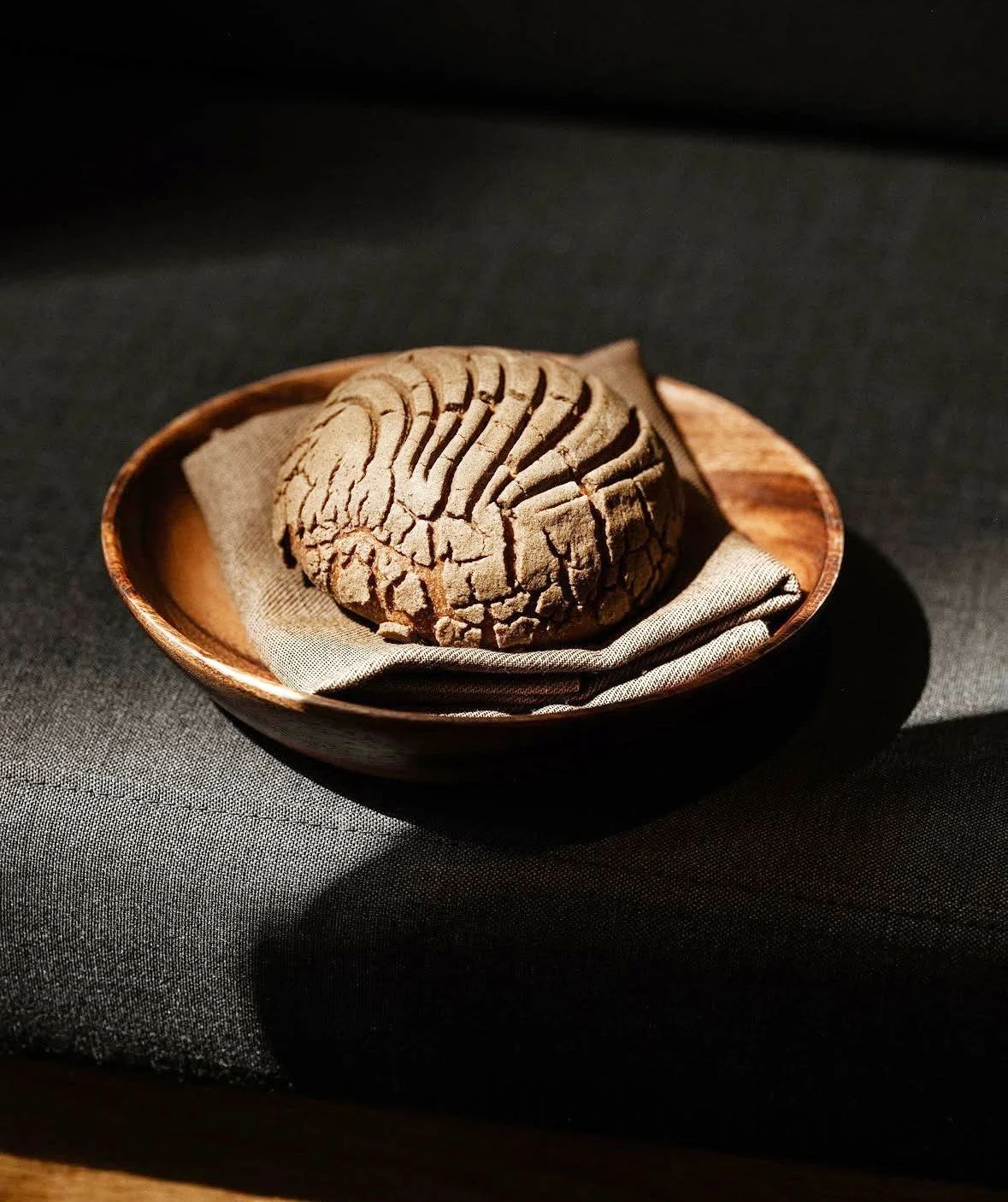
The humble concha, a sweet bread adorned with a crisp, sugary topping, is experiencing a significant cultural renaissance across the United States, evolving from a comforting childhood staple to a celebrated canvas for culinary innovation. What was once a familiar sight in Mexican panaderías is now appearing on upscale restaurant menus and trendy bakery offerings, captivating a new generation of diners and reshaping perceptions of traditional Mexican baked goods. This surge in popularity is not merely a fleeting trend but a testament to the concha’s rich history, its adaptability, and the growing appreciation for Mexican culinary heritage in the American food landscape.
From Humble Beginnings to Culinary Canvas
The journey of the concha, which translates to "seashell" in Spanish, dates back centuries, its roots intertwined with the arrival of wheat in the Spanish colonies and the subsequent evolution of pan dulce traditions. By the 19th century, under French culinary influence, these sweet breads became a staple in Mexico City’s vibrant café culture, particularly in the "cafés de chinos" – Chinese-owned diners that proliferated in the early 20th century. Initially characterized by classic vanilla and chocolate flavors, the concha has always possessed an inherent ability to transform, embracing regional variations and the distinct flavors of its origin.
In 2017, Mariela Camacho, the eldest daughter of Mexican immigrants, found herself drawn to this very tradition. While baking sourdough loaves for Seattle coffee shops, she felt a pull to reconnect with her heritage. The challenge? She had no prior experience with concha-making. "My family cooks, but they don’t bake, so I had to figure it out myself," Camacho recounted. "Nine years ago conchas were not cool, so I had to basically teach myself." This personal quest laid the groundwork for what would become Comadre Panadería, her now-iconic bright pink shop in Austin, Texas. Today, Camacho’s conchas are a far cry from their traditional predecessors, boasting vibrant colors and modern flavor profiles such as Earl Grey and vanilla, hot chocolate with saffron and guajillo, and brown butter lavender.
Camacho is far from an isolated case. A wave of contemporary concha creators is emerging nationwide, infusing this beloved pastry with their unique culinary perspectives. In New York, establishments like Vato and Cosme are offering their interpretations, while Los Angeles boasts Santa Canela and My Panecito, each contributing to the concha’s growing visibility. Even mainstream brands are taking notice; Popeyes famously introduced a Tequila Don Julio-flavored concha chicken sandwich during the Super Bowl, a bold move that underscored the pastry’s mainstream appeal.
The "Croncha" Phenomenon and Measurable Growth
Perhaps one of the most striking indicators of the concha’s elevated status arrived in February at La Rue Doughnuts, a French bakery in Dallas. Owner Amy La Rue, whose staff is largely of Mexican descent, described the creation of the "croncha" – a fusion of croissant and concha – as an "organic way to bring together the cultures in our kitchen." This innovative pastry, layered like a croissant and topped like a concha, garnered immense attention, drawing lines that stretched down the block and effectively repositioning the concha as a peer to sophisticated French pastries.

This shift in perception is quantifiable. According to Datassential, a leading food industry research group, menu mentions of conchas have surged by an impressive 68% over the past four years. Furthermore, the data indicates a significant interest among younger demographics, with 53% of Gen Z diners expressing "definitely interested" in trying a concha, surpassing all other generations. This statistic highlights the concha’s potential to bridge generational gaps and cultural divides through shared culinary experiences.
Erick Rocha, a pastry chef at Corima in Manhattan and the all-day café Vato in Park Slope, Brooklyn, where conchas frequently sell out, attributes this growing recognition to a collective effort. "We’re bringing our childhood memories to the table, and now people are paying attention," Rocha stated. "A lot of us are putting conchas on the map for the American public."
Building on Tradition, Embracing Innovation
The concha’s enduring appeal lies in its ability to serve as a vessel for both tradition and innovation. Second-generation pastry chefs across the United States are adeptly adapting the concha to reflect their dual heritage and their current locales. This often involves reimagining the dough itself, with some bakers employing brioche or sourdough starters, while others incorporate heirloom grains, Mexican cacao, cinnamon, and vanilla.
Rocha, for instance, draws inspiration from the "cultural biodiversity of New York City" in his creations. His conchas are often filled with unexpected yet harmonious flavors, such as yuzu curd and toasted totomoxtle (corn husk) chantilly cream. This approach not only pays homage to his roots but also celebrates the vibrant culinary tapestry of his adopted home.
Similarly, Mariela Camacho’s menu at Comadre Panadería is deeply rooted in Mexican ingredients. She utilizes fresh masa, premium cacao, and flours like Yecora Rojo and Sonora wheat. "It feels very appropriate to use flour grown in the Sonora Desert, which stretches into northern Mexico," she explained, underscoring the importance of sourcing ingredients that resonate with the concha’s heritage.
In Randolph, Vermont, the husband-and-wife team behind Atla’s Conchas, Mauricio Lopez Martinez and Caroline Anders, are also pushing boundaries while honoring tradition. They bake conchas using a traditional Oaxacan recipe, subtly scented with ground anise and vanilla. However, their commitment to authenticity extends to their use of unsifted "full inclusion" flour, milled in-house. This method retains all components of the wheat berry – bran, germ, and endosperm – a stark contrast to the refined white flour that was historically associated with wealth and status, often introduced by colonizers.

"We put the wheat berries in the mill and the flour that comes out is exactly what we use," Anders elaborated. "White flour was brought over by the conquistadors as a sign of wealth. Part of challenging that history is challenging the idea that white flour is superior." This deliberate choice is both a technical nod to flavor and texture, and a powerful political statement about reclaiming and celebrating ancestral ingredients and practices.
The Next Generation of Concha Artisans
For many contemporary bakers, the concha represents more than just a sweet treat; it is a vehicle for cultural reclamation and a testament to the evolving landscape of American cuisine. These artisans are elevating an everyday pastry with the same rigor, creativity, and respect that has long been applied to European baking traditions.
Fany Gerson, the visionary behind Fan-Fan Doughnuts, has a deep personal connection to the concha. "I grew up eating them," she shared, recalling her mornings in Mexico City often beginning with a concha. She views its current surge in popularity as part of a broader cultural shift. "Mexico is so influential in the U.S., and in the last decade Mexico City has become one of the most popular places to visit. The concha feels familiar, and like a donut, it’s a canvas for flavor." Gerson’s own creations, such as hibiscus-vanilla conchas filled with passion fruit curd, black sesame conchas with horchata cream, and corn masa conchas filled with fresh corn custard, demonstrate the immense versatility of this pastry.
In Los Angeles, Ellen Ramos, pastry chef at Santa Canela, part of the Muy Salsa restaurant group, is also at the forefront of this movement. Drawing inspiration from East LA institutions like El Águila Bakery, where she experienced her formative years, Ramos reimagines traditional concha recipes with modern flavor profiles such as cookies and cream, orange blossom, and speculoos. The overwhelming success of Santa Canela has led to plans for expansion, including two new locations in California and a kiosk at Burbank Airport, signifying a significant demand for these innovative takes on a beloved classic.
Ramos wholeheartedly embraces the spirit of experimentation, even acknowledging the rise of hybrid pastries like the croncha. "It’s okay to push boundaries," she stated. "The concha is a way to carry tradition through our own lens so it lives on." This sentiment encapsulates the overarching philosophy driving the concha’s contemporary evolution: a deep respect for its past, coupled with a fearless embrace of the future, ensuring its continued relevance and enjoyment for generations to come.
Where to Find Contemporary Conchas Across the Country:
- Comadre Panadería, Austin, Texas
- Santa Canela, Los Angeles, California
- My Panecito, Los Angeles, California
- Fan-Fan Doughnuts, Brooklyn, New York
- Vato, Brooklyn, New York
- Cosme, Manhattan, New York
- Atla’s Conchas, Randolph, Vermont
- La Rue Doughnuts, Dallas, Texas

0 Comments