
The sprawling metropolis of Los Angeles operates without a singular geographic or cultural center, a characteristic that has fundamentally shaped its status as one of the world’s most diverse and influential culinary landscapes. Unlike traditional global cities where dining hubs are concentrated in a central business district, Los Angeles has developed as a collection of distinct neighborhoods, each fostering its own unique gastronomic ecosystem. From the historic corridors of Chinatown and the dense corridors of Sawtelle to the emerging creative enclaves of Melrose Hill and the industrial-turned-artistic blocks of Downtown Los Angeles (DTLA), the city’s food scene is defined by its lack of cohesion. This decentralization is not a logistical hurdle but rather the defining feature of the Los Angeles experience, where the pursuit of excellence often requires navigating a map that prioritizes neighborhood specificity over central accessibility.
The Architecture of a Decentralized Food Capital
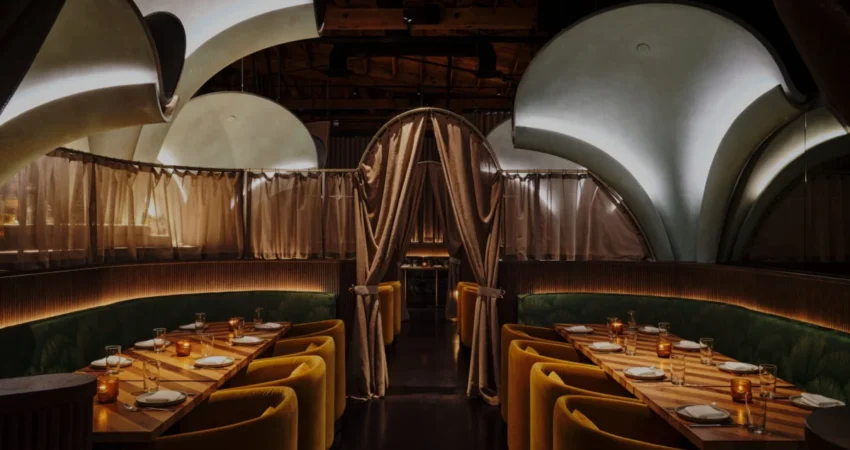
The culinary identity of Los Angeles is built upon the concept of specificity. The city does not offer a singular "great meal" but rather a vast array of highly specialized experiences that reflect the history and demographic shifts of its various districts. In the current landscape, a former 19th-century cathedral serves as a modern American dining room, while a Silver Lake storefront successfully condenses the chaotic energy and complex flavors of a Taiwanese night market into a curated urban space. Even the city’s mobile food culture, exemplified by taco trucks that have occupied the same intersections—such as La Brea and Venice—for decades, represents a permanent fixture of the local economy.
These establishments are not merely businesses; they are cultural landmarks that resist the homogenization often seen in other major metropolitan areas. Industry analysts note that the success of the Los Angeles model relies on the authenticity of place. Restaurants here are rarely designed to be "anywhere" but exactly where they are, utilizing local ingredients, reflecting the immediate community’s heritage, and catering to a population that views driving across the city as a necessary ritual for a specific dish.
A Chronology of Culinary Evolution in Southern California
To understand the current state of Los Angeles dining, one must examine the chronological shifts that moved the city from a land of "white tablecloth" European imports to a global leader in fusion and authentic ethnic cuisine.
The Mid-20th Century: The Foundation of Diversity
Following World War II, Los Angeles saw a massive influx of diverse populations, leading to the establishment of historic ethnic enclaves. During this period, the foundations for neighborhoods like Boyle Heights and Chinatown were solidified, creating the early infrastructure for specialized local cuisines that served immigrant communities before gaining mainstream attention.

The 1980s and 1990s: The Rise of "California Cuisine"
The late 20th century saw the emergence of the "California Cuisine" movement, spearheaded by chefs who prioritized seasonal, local ingredients. This era bridged the gap between fine dining and the local landscape, though it remained largely concentrated in affluent areas like West Hollywood and Santa Monica.
2008–2012: The Food Truck Revolution
The 2008 economic recession and the rise of social media birthed the modern food truck movement. This period was pivotal as it democratized high-quality food, allowing chefs to bypass the high overhead costs of brick-and-mortar locations. It also shifted the focus toward the "strip mall" and the "street corner" as legitimate culinary destinations, a trend that remains a cornerstone of the LA dining experience today.
2019–Present: Michelin Recognition and Pandemic Resilience
The return of the Michelin Guide to California in 2019 signaled a formal global acknowledgment of Los Angeles as a top-tier culinary destination. Despite the severe disruptions of the COVID-19 pandemic, the industry showed remarkable resilience, with many chefs pivoting to outdoor dining and community-focused business models that further deepened the bond between restaurants and their specific neighborhoods.
Supporting Data: The Economic and Cultural Impact of LA Gastronomy
The restaurant industry is a vital engine of the Los Angeles economy. According to data from the California Restaurant Association and local economic reports, the Los Angeles-Long Beach-Anaheim metropolitan area hosts one of the highest concentrations of eating and drinking establishments in the United States.
- Employment: The hospitality sector in Los Angeles County employs over 350,000 individuals, representing a significant portion of the local workforce.
- Tourism: Culinary tourism has become a primary driver for the Los Angeles Tourism & Convention Board. Surveys indicate that "diverse dining options" consistently rank among the top three reasons international and domestic travelers visit the city.
- Establishment Density: There are over 30,000 licensed food service establishments in Los Angeles County, ranging from Michelin-starred fine dining to high-volume quick-service vendors.
- Diversity Metrics: Los Angeles boasts the largest Thai population outside of Thailand, the largest Korean population outside of Korea, and one of the largest Mexican populations in the world, directly correlating to the depth and authenticity of its culinary offerings.
The Selection Process: Methodology and Standards
The process of identifying the "best" restaurants in such a fragmented landscape requires a rigorous, multi-faceted methodology. National publications and local contributors, such as those at Condé Nast Traveler, employ a system that balances objective quality with subjective cultural relevance.
Editors and contributors prioritize several key pillars:

- Neighborhood Authenticity: Does the restaurant contribute to or define the character of its specific location?
- Innovation and Execution: Does the kitchen demonstrate a high level of technical skill, regardless of the price point?
- Sustainability and Sourcing: There is an increasing emphasis on restaurants that utilize sustainable supply chains and support local California agriculture.
- Inclusivity: Modern evaluations now heavily weigh how a restaurant serves its community and whether it fosters an inclusive environment for both staff and patrons.
- Longevity vs. Impact: While new openings are tracked closely, equal weight is given to legacy institutions that have maintained excellence over decades.
Industry Reactions and Professional Perspectives
The Los Angeles dining scene has garnered praise from professional critics and city officials alike for its ability to maintain a high standard of quality while remaining accessible. In recent statements, local culinary historians have pointed out that Los Angeles has effectively dismantled the hierarchy of food. In this city, a $3 taco is afforded the same critical respect as a $400 tasting menu, provided both demonstrate excellence in their respective categories.
City officials have also recognized the role of restaurants in urban revitalization. The development of areas like Melrose Hill and the Arts District has been largely led by "anchor" restaurants that draw foot traffic and encourage further commercial investment. However, this growth has also sparked discussions regarding gentrification and the need to protect legacy businesses in neighborhoods undergoing rapid change.
Broader Impact and Global Implications
The Los Angeles model of dining has had a profound impact on global food trends. The "LA style"—characterized by a casual atmosphere, a focus on vegetable-forward dishes, and the seamless blending of disparate cultural flavors—can now be seen in major cities from London to Tokyo.
Furthermore, the city’s embrace of the "strip mall gem" has changed how diners globally perceive value and luxury. The success of Los Angeles proves that culinary excellence does not require a prestigious address or a traditional aesthetic. This shift has empowered chefs worldwide to focus on the integrity of their food rather than the opulence of their surroundings.
As the industry moves forward, the challenges of rising costs, labor shortages, and climate change remain. Yet, the Los Angeles restaurant scene continues to evolve by leaning into its greatest strength: its decentralized, neighborhood-centric identity. By refusing to conform to a single center, Los Angeles has created a culinary map that is as expansive and varied as the people who call the city home. For the traveler or the local, the journey through this map is not just about finding a place to eat, but about understanding the very fabric of the city itself.

0 Comments