
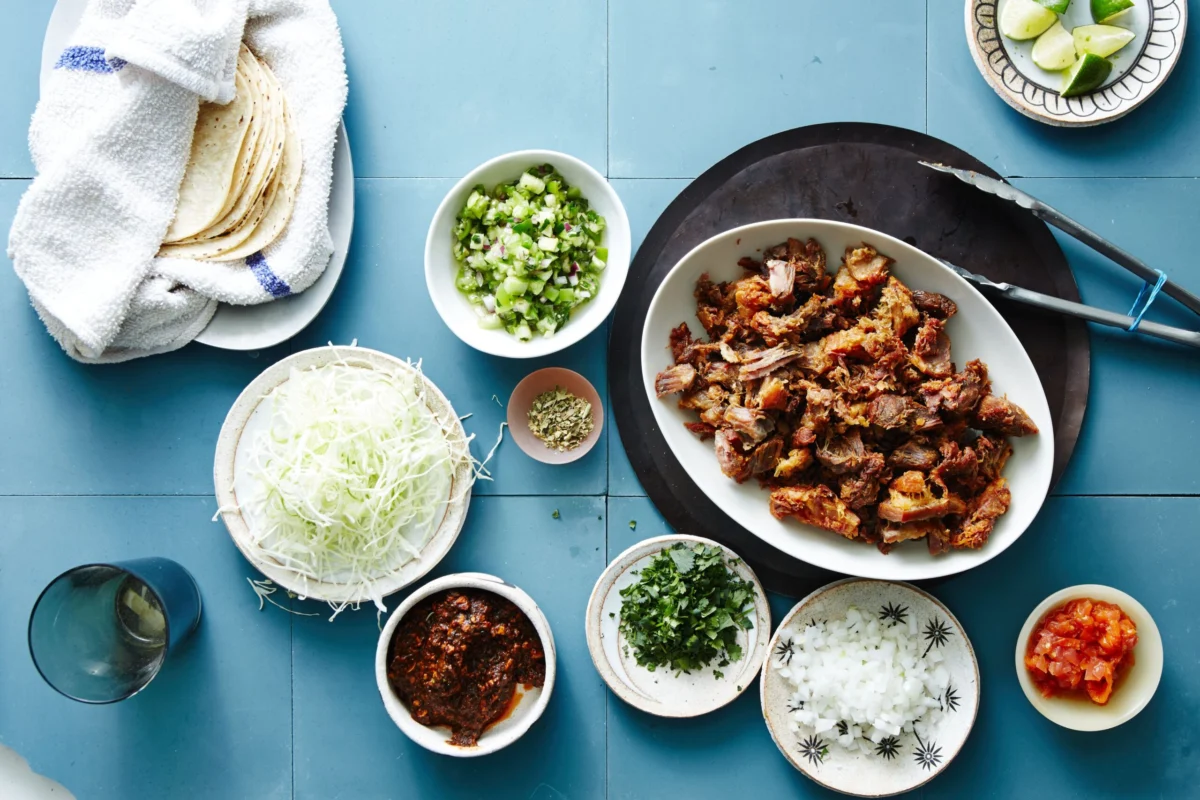
Carnitas, a culinary cornerstone of Mexico, translates literally to "little meats" and represents a beloved preparation of pork, celebrated for its tender, shreddable texture and intensely savory flavor. This particular rendition, a "double-pork" carnitas recipe utilizing both pork belly and pork shoulder, offers a remarkably flavorful and unfussy approach. Its success hinges on two fundamental elements: the quality of the meat and the virtue of patience. This streamlined recipe eschews the typical inclusion of citrus, spices, and other aromatics commonly found in many carnitas preparations, deliberately opting for a simple braising process. The true magic unfolds in the final stages, where the succulent pork is crisped in its own rendered fat. This meticulous process yields meat that is simultaneously juicy and melt-in-your-mouth tender, with profoundly browned, crackly edges and a concentrated, unadulterated pork essence.
The historical roots of carnitas trace back to the Michoacán region of Mexico, where its preparation is deeply ingrained in the culinary landscape. Traditionally, carnitas are made by slowly simmering large pieces of pork, most commonly pork shoulder, in lard or water until the meat is exceptionally tender. This slow-cooking method breaks down connective tissues, resulting in the characteristic succulent and easily shreddable texture. Following the braising, the meat is then often crisped, either by briefly frying it in its own rendered fat or by roasting it at a high temperature. This dual-action cooking process is key to achieving the signature contrast of textures: moist, tender meat encased in delightfully crispy edges.
The introduction of pork belly into this recipe amplifies the richness and complexity of the final dish. Pork belly, known for its high fat content, contributes a luxurious mouthfeel and renders down to create an exceptionally flavorful fat. This rendered fat then becomes the medium for crisping the pork shoulder, infusing every morsel with an even deeper pork flavor and creating irresistible crispy morsels. While pork shoulder alone can produce excellent carnitas, the addition of pork belly elevates the experience, offering a more varied and indulgent texture profile.
The Art of Simplicity: A Streamlined Approach to Braising
This contemporary take on carnitas champions a minimalist braising technique. By stripping away the usual suspects – oranges, limes, garlic, onions, and a medley of spices – the recipe allows the inherent quality of the pork to take center stage. The braise is intentionally kept straightforward, relying on the natural flavors of the meat and a gentle cooking process. This simplification is not a sacrifice of flavor but rather a strategic enhancement. The goal is to concentrate the pure essence of pork, allowing its natural sweetness and savory notes to develop fully.
The braising liquid itself is often a simple combination of water or broth, sometimes with a touch of salt. The extended cooking time, typically several hours at a low temperature, ensures that the tough connective tissues in the pork shoulder break down, transforming the meat into a tender, shreddable consistency. The pork belly, with its higher fat content, also benefits from this slow cooking, becoming incredibly tender and contributing its rendered fat to the braising environment.
The Crucial Crisping Stage: Achieving Texture Perfection
The pivotal moment in carnitas preparation, and indeed in this recipe, is the final crisping stage. Once the pork has been thoroughly braised and is fall-apart tender, it is typically removed from the braising liquid, shredded or chopped into bite-sized pieces, and then pan-fried in its own rendered fat. This step is critical for achieving the signature crispy edges and textural contrast that defines great carnitas.
The recipe emphasizes the importance of not overcrowding the pan during this frying process. Overcrowding can lead to the meat steaming rather than frying, resulting in a softer, less desirable texture. By cooking the pork in batches, each piece has sufficient contact with the hot fat, allowing it to develop a rich, golden-brown crust and delightfully crunchy bits. This methodical approach ensures that every serving offers a satisfying textural interplay between the tender interior and the crispy exterior.
Serving Suggestions: Versatile Applications for Carnitas
The versatility of carnitas extends beyond their preparation; their serving applications are equally diverse. The most common and beloved way to enjoy carnitas is in tacos. Warm corn tortillas, either homemade or store-bought, serve as the perfect vessel for the shredded pork. The toppings are often kept simple to complement, rather than overpower, the rich flavor of the carnitas.
Classic carnitas taco accompaniments include finely chopped white onion, which provides a sharp, pungent contrast, and fresh cilantro, offering a bright, herbaceous note. Sliced avocado or a creamy guacamole adds a smooth, rich texture and a cooling element. A vibrant salsa verde, with its tangy tomatillo base, or a spicier salsa roja can introduce a welcome kick of heat and acidity. For those seeking an extra layer of flavor, a sweet and spicy habanero jam can provide a unique counterpoint. A dollop of Mexican crema or sour cream can offer a cooling, creamy finish.
Beyond tacos, carnitas can be incorporated into a variety of dishes. They can be piled high on tostadas, used as a filling for quesadillas, or served alongside rice and beans for a more substantial meal. Their rich flavor also makes them an excellent addition to salads or even as a topping for nachos.
Carnitas FAQ: Addressing Common Questions
What cut is best for carnitas? Is pork belly essential?
Boneless pork shoulder, also known by names such as pork butt or Boston butt, is universally recognized as the quintessential cut for carnitas. Its ideal balance of lean meat and fat, along with its abundant connective tissues, allows it to become exceptionally tender and easily shreddable during the slow-cooking process. This cut forms the backbone of traditional carnitas, delivering a satisfyingly moist and flavorful result.
Pork belly, while not a mandatory component, significantly enhances this specific "double-pork" recipe. Its high fat content introduces an added layer of richness and contributes to the creation of exceptionally delicious, crispy bits that are highly prized in carnitas. The rendered fat from the belly also plays a crucial role in the final crisping stage, imbuing the pork shoulder with an even more profound depth of flavor and textural variation. However, it is important to note that excellent carnitas can be produced using pork shoulder alone. In such instances, the resulting carnitas will likely be slightly leaner and possess a less diverse range of textures compared to a recipe that incorporates pork belly. The decision to include pork belly is therefore a choice that amplifies indulgence and textural complexity.
Why aren’t my carnitas getting crispy?
The primary reason for carnitas failing to achieve the desired crispiness often lies in the execution of the final frying step. This stage is not merely an optional finishing touch but an essential component for textural success. The pork should be cooked in batches within a wide skillet, ensuring that it has ample space to fry in the rendered fat. If the skillet is overcrowded, the meat is more likely to steam rather than fry, which is the antithesis of the crispy texture desired. This steaming effect prevents the Maillard reaction – the chemical process responsible for browning and the development of complex flavors – from occurring effectively. Therefore, managing the cooking in smaller, manageable batches is the most common and effective strategy to overcome this challenge and achieve perfectly crisped carnitas.
Can I add spices, citrus, or aromatics?
Indeed, the culinary world offers a vast spectrum of carnitas recipes that incorporate a variety of flavor enhancers. Many traditional and contemporary preparations often feature ingredients such as cumin, bay leaves, fresh orange or lime segments, whole garlic cloves, or even beer as part of the braising liquid. These additions are intended to infuse the pork with layers of complementary flavors, adding complexity and aroma.
This particular recipe, however, is deliberately designed to excel without these common additions. Its focus is on allowing the pure, unadulterated flavor of high-quality pork to shine through. By minimizing additional ingredients during the braise, the recipe aims to concentrate the inherent savory notes and natural sweetness of the meat. The payoff for this simplicity is deeply flavored, exquisitely tender shreds of pork that speak for themselves. Nevertheless, the beauty of cooking lies in personalization. Enthusiasts are encouraged to experiment and adapt the recipe to their individual preferences. If a touch of citrus zest, a hint of garlic, or a whisper of cumin appeals to your palate, feel free to integrate these elements into the braising process. The fundamental principles of slow cooking and meticulous crisping will still yield a delicious outcome, while your personal touches will make the carnitas uniquely yours.
The Enduring Appeal of Carnitas
Carnitas represent more than just a dish; they are a testament to the power of simple ingredients, patient preparation, and the profound flavors that can be coaxed from them. This double-pork iteration, by focusing on the intrinsic quality of the meat and a streamlined braising technique followed by a critical crisping phase, offers a highly rewarding culinary experience. Whether enjoyed in the quintessential carnitas taco or incorporated into other beloved dishes, this preparation stands as a delicious reminder that sometimes, less is indeed more, especially when guided by skill and a deep respect for the ingredients. The ongoing popularity of carnitas across Mexico and increasingly around the globe underscores its status as a truly iconic and enduring pork preparation.

0 Comments