
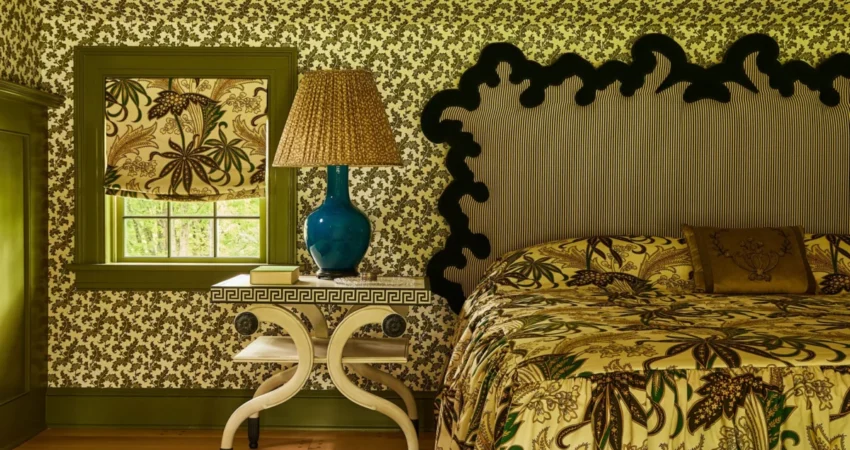
Designers have long been champions of incorporating vintage elements into interior spaces, a philosophy that imbues a home with a sense of history and individuality. As AD100 designer Josh Greene aptly states, "If everything in a room is new, it can feel less like a curated environment and more like a showroom." This sentiment underscores the transformative power of vintage furniture and decor. By strategically replacing contemporary counterparts with carefully selected antique or vintage pieces, any space can be revitalized, offering a layered, inviting, and refreshingly characterful atmosphere, particularly as the seasons change and homeowners seek to imbue their abodes with a sense of warmth and depth. This season, AD100 designers are sharing their go-to vintage swaps, room by room, to cultivate this desired aesthetic for a cozy and sophisticated fall home.
The practice of integrating vintage into design is not merely a stylistic choice but also an environmentally conscious one. The resale market for furniture and decor has seen significant growth, with platforms like Etsy, 1stDibs, and local antique shops becoming prime destinations for sourcing unique items. This trend aligns with a broader societal shift towards sustainability and mindful consumption, where extending the lifecycle of existing goods is increasingly valued. The demand for vintage pieces is driven by a desire for authenticity, craftsmanship that often surpasses modern production, and the inherent storytelling that these items bring.

Revitalizing the Bedroom: A Sanctuary of Timeless Elegance
The bedroom, a deeply personal sanctuary, is an ideal space to introduce the soul-stirring qualities of vintage. Corey Damen Jenkins, an AD100 designer, emphasizes the significant impact a single vintage piece can have in this intimate setting. "The bedroom is where a single vintage piece can do the heaviest lifting," he notes, citing his own New York City apartment where a 19th-century Federal-style bull’s-eye mirror above the bed serves as a captivating focal point. This approach not only adds visual interest but also anchors the room with a sense of established history.
Beyond statement mirrors, the humble bedside table presents a prime opportunity for a vintage upgrade. Young Huh, another esteemed designer, suggests that "vintage nightstands are a great way to add charm and collected character into a bedroom." When seeking these pieces, Huh advises prioritizing excellent form, even if the finish requires attention. Her own primary bedroom in New York’s Hudson Valley showcases this philosophy, where vintage nightstands, adorned with hand-painted Greek key detailing, exude refined charm. "We had more tolerance with imperfections in the finish, knowing it would be painted by a decorative painter," she explains, highlighting the adaptability of vintage pieces.
The choice of vintage furniture can also profoundly influence the bedroom’s overall ambiance. Mandy Cheng, a designer known for her ability to craft inviting spaces, observes that "if you’re going for a more casual vibe, look at painted options." Conversely, for those seeking "an added level of refinement or sophistication," Cheng recommends pieces with rich wood stains or lacquered finishes. The tactile appeal of natural materials in pre-loved furniture can contribute to a soothing atmosphere. Sara Story, a designer who masterfully blends contemporary and vintage elements, finds that "vintage seating, particularly in wood or rattan, is an easy way to soften a room and add a sense of history." Her selection criteria focus on "strong silhouettes and quality joinery," recognizing that "upholstery can always be refreshed, but the bones need to be right."

The introduction of smaller decorative items further enhances the bedroom’s storied touch. Corey Damen Jenkins suggests that "vintage mirrors, lamps, and small case pieces are your entry points." He describes these as treasures that "reward patience at flea markets and estate sales, and they bring a layer of soul to the most personal room in the house." Mandy Cheng adds a contemporary twist, recommending the placement of "a vintage vessel with a plant for a unique juxtaposition of materials," demonstrating how vintage can be seamlessly integrated into modern styling.
The Living Room: A Canvas for Provenance and Personality
In the more public realm of the living room, vintage furnishings are instrumental in weaving a personal narrative. As Jenkins articulates, "there’s nothing really to talk about in a room where everything is brand new." He elaborates that "antiquity and vintage pieces add layers of provenance, soul, and character that simply cannot be manufactured." This sentiment speaks to the unique ability of vintage items to spark conversation and reflect the inhabitants’ journeys and tastes.
Jessica Helgerson, an AD100 designer, demonstrated this principle in a New York living room overlooking Central Park for a Korean-American client. Her design scheme featured an heirloom Korean cabinet, its ornate brass work and patinated wood adding "history and depth to an otherwise modern room." This integration of a culturally significant piece underscores the personal storytelling potential of vintage. Jenkins also advocates for seeking out vintage seating with its original upholstery, viewing it as a chic way to embrace the current revival of old-world trimmings. "My top swap for the living room this fall is a vintage upholstered chair or sofa," he states, advising to "look for pieces with original passementerie or nailhead detailing intact, which signals genuine craftsmanship." The revival of these decorative elements, such as intricate trims and detailed nailheads, has been a notable trend in interior design over the past few years, with a renewed appreciation for artisanal techniques.

Lighting, a crucial element for any living space, also benefits immensely from a vintage infusion. Sarah Story champions this aspect, noting that "lighting is one of the most effective vintage swaps." She explains that it "creates an atmosphere and often feels more distinctive than contemporary options." Josh Greene concurs, finding that "a period chandelier or a groovy pair of old lamps will feel so much more special and unique than new production." The impact of a vintage light fixture can be dramatic, casting a unique glow that modern reproductions often struggle to replicate. The architectural style of a vintage chandelier, for instance, can set the tone for the entire room, drawing from eras like Art Deco, Mid-Century Modern, or traditional European design.
The Kitchen: Unexpected Charm and Functional Artistry
The kitchen, often perceived as a purely utilitarian space, can also be transformed by the thoughtful inclusion of vintage elements. Neal Beckstedt, an AD100 designer, encourages homeowners to "break down your space to allow vintage cabinets, side tables, and plate racks to do the work instead" of relying solely on conventional built-in cabinetry. This approach allows for a more flexible and characterful arrangement. He further suggests enhancing the kitchen’s aesthetic by incorporating "decorative plates, folk sculpture, and art to the room, giving your kitchen just as much style as your living room." This philosophy elevates the kitchen from a functional zone to a space that reflects personal taste and creativity.
Leonora Hamill, a designer who masterfully sources unique pieces, incorporates vintage art into her kitchen designs. Her own London kitchen features "a witty little framed poster of an Italian sponge cake complete with beautiful old glass, which I sourced at a Milan flea market." Such personal finds inject personality and a sense of discovery into the space. A curated wall of vintage plates can serve as a captivating focal point, while vintage glassware adds a touch of elegance to everyday routines. Hamill notes that "vintage glassware is always so pretty, especially in an open storage cabinet," highlighting how these pieces can enhance both form and function. The market for vintage ceramics, particularly hand-painted plates and decorative tureens, has seen a resurgence, with collectors seeking out unique patterns and artisanal craftsmanship.

The Dining Room: A Stage for Bold Statements and Timeless Gatherings
The dining room, a space dedicated to shared meals and convivial gatherings, offers a broad canvas for creative expression. Jeremiah Brent, a designer known for his bold and layered aesthetic, believes there is "no right or wrong style in the dining room" and that it "offers the widest range of creativity." Whether aiming for a "monastic or deeply layered" feel, vintage seating can play a pivotal role.
Jenkins emphasizes the dining room’s capacity to embrace boldness, stating, "Nothing delivers it more authentically than a piece with real history behind it." He asserts that "a set of antique chairs with good bones can instantly shift the entire mood of a room." The option to reupholster vintage frames in contemporary fabrics offers a satisfying design strategy, allowing for the preservation of a piece’s historical integrity while infusing it with a modern sensibility. "Reupholstering a vintage frame in an unexpected fabric is one of the most satisfying moves in design," Jenkins explains, allowing individuals to "preserve the history of the piece while making it entirely your own." This practice has become increasingly popular, with designers and homeowners alike exploring vibrant textiles and luxurious materials to reimagine classic forms.
Mark D. Sikes, another respected designer, finds that traditional furniture pieces are particularly well-suited for dining rooms. "I love adding English wood cabinets and dining tables," he says, articulating a desire "to evoke feelings of nostalgia and timelessness." The enduring appeal of English antique furniture lies in its sturdy construction, classic proportions, and the sense of heritage it imparts. The integration of such pieces can create an atmosphere of refined elegance, perfect for hosting. The market for antique dining tables and chairs, particularly those from the Georgian and Victorian eras, remains robust, driven by their timeless design and quality craftsmanship.

The Bathroom: Unexpected Patina and Whimsical Touches
Even the bathroom, often overlooked in design discussions, can be elevated with vintage finds. Neal Beckstedt’s restoration of his Sag Harbor home exemplifies this, where he incorporated salvaged vintage fixtures. He advises homeowners to "start by selecting vintage tubs and sinks instead of new—they instantly deliver more patina and soul." Furthermore, he suggests opting for "a vintage mirror instead of a medicine cabinet and utilize other areas in the bath for your necessary storage." His recommendation to source such pieces from local salvage companies underscores the accessibility of these historically rich items. The architectural salvage market, while sometimes requiring dedicated searching, offers a treasure trove of unique elements that can imbue a bathroom with unparalleled character.
Beyond the primary fixtures, whimsical accessories can add both function and charm. Leonora Hamill finds small woven baskets from Provençal flea markets and English antique fairs to be "perfect for cotton balls and swabs." She also advocates for the inclusion of "old pharmacy jars, preferably with an original painted label in Latin," as these add "another layer of visual interest to the space." These small details contribute to a curated and personalized aesthetic, transforming a functional space into a delightful retreat. The allure of vintage apothecary items, from glass jars to antique medical instruments, lies in their historical context and unique aesthetic.
The enduring appeal of vintage lies not just in its aesthetic qualities but also in its capacity to tell stories, connect us to the past, and promote a more sustainable approach to interior design. By embracing these carefully considered swaps, homeowners can cultivate spaces that are not only beautiful and inviting but also deeply personal and imbued with a timeless resonance, especially as the crisp air of fall signals a desire for comfort and collected charm. Architectural Digest’s own Maddie O’Malley has curated a selection of her favorite vintage finds available on eBay, further demonstrating the accessibility of these covetable pieces for a broader audience.

0 Comments