
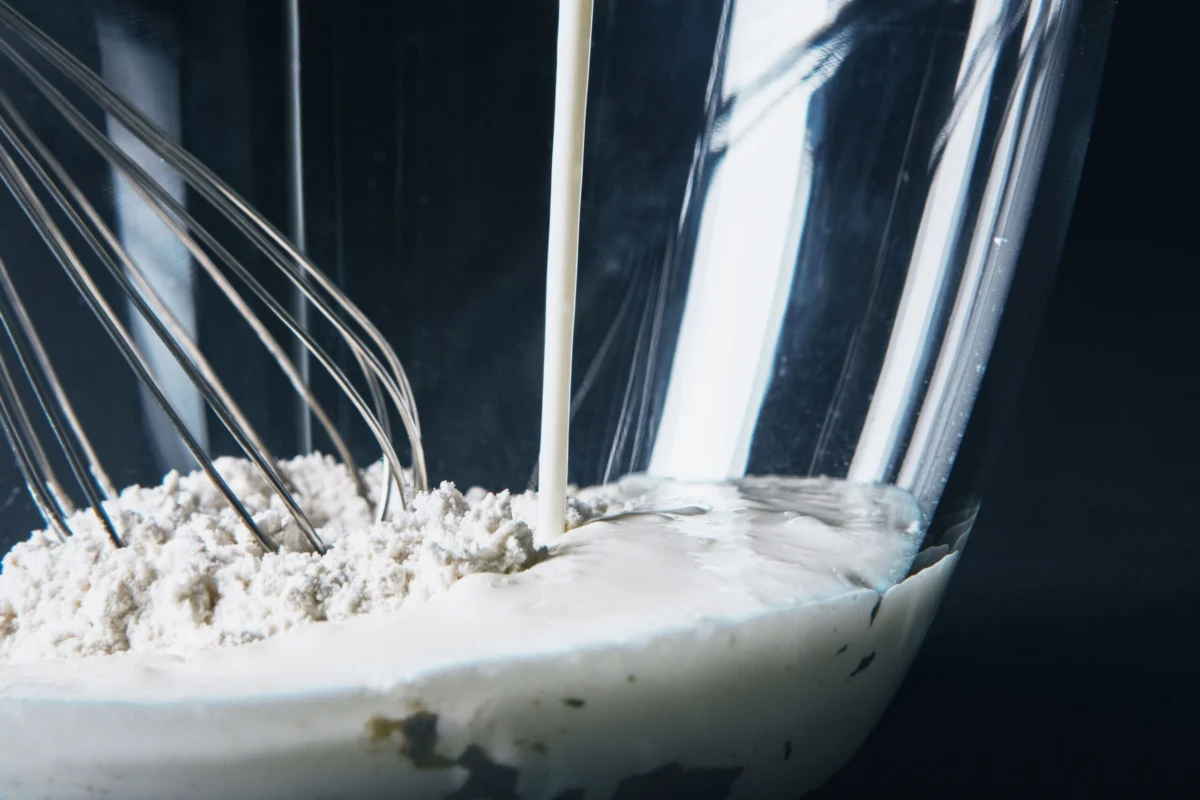
Buttermilk, a seemingly simple dairy byproduct, has a rich and complex history, evolving from an agricultural surplus to a sophisticated ingredient essential in kitchens worldwide. Its journey through millennia of social and technological change has cemented its status as a culinary powerhouse, indispensable for everything from fluffy pancakes to perfectly tender fried chicken. Understanding the nuances of contemporary buttermilk is key for any cook aiming for optimal results, as the type of buttermilk chosen can significantly impact the outcome of a dish.
From Farm Byproduct to Fermented Staple: A Historical Evolution
The buttermilk of yesteryear bore little resemblance to the cultured product found on supermarket shelves today. Historically, buttermilk was the liquid runoff from churning milk into butter. This agricultural byproduct was typically thin, prone to souring quickly due to the absence of refrigeration and the presence of naturally occurring bacteria. Some historical accounts suggest that the term "buttermilk" was also used to describe milk intended for churning, further highlighting its direct connection to butter production. This traditional form was inherently variable, its flavor and consistency dictated by the specific milkfat content and the unpredictable bacterial activity.
The early 20th century marked a pivotal transformation for buttermilk. Scientific advancements and societal shifts propelled it into a new era. In 1906, Nobel laureate Élie Metchnikoff of the Institut Pasteur championed the health benefits of fermented milk products, positing their potential to promote longevity. This groundbreaking research ignited a health craze in the United States, elevating the consumption of fermented dairy, including what was then commonly referred to as buttermilk. Simultaneously, waves of immigrants from Eastern European regions, where fermented milk consumption was a cultural norm, further expanded the market and demand for these products.

Dairy producers and food scientists responded to this burgeoning interest. As industrialization advanced, companies began employing standardized bacterial starter cultures to ferment milk efficiently and economically. This innovation allowed for consistent production of cultured buttermilk, laying the groundwork for the commercial product familiar to consumers today. These modern production methods involve inoculating cow’s milk with specific lactic acid-producing bacteria, such as Lactococcus lactis and Leuconostoc mesenteroides. The fermentation process results in a tangy flavor, increased acidity, and a thicker consistency due to protein coagulation. The fat content of the base milk plays a crucial role in the final product’s texture; buttermilk derived from whole milk offers a creamier mouthfeel compared to that made from skim milk. However, low-fat commercial buttermilk, often a byproduct of heavy cream production, remains widely available and perfectly suitable for most culinary applications.
Deciphering the Buttermilk Label: Quality for Culinary Success
The diversity of buttermilk available necessitates careful label reading for optimal culinary outcomes. While some dairies produce buttermilk through the natural action of lactic acid bacteria, many commercial brands incorporate stabilizers and thickeners like tapioca starch and carob gum to ensure uniformity in consistency. These additives can influence how buttermilk behaves in baking, subtly altering its flavor profile and textural contribution.
For bakers, the distinction between traditionally cultured buttermilk and additive-laden versions can be significant. Cookbook author Cheryl Day, a self-proclaimed "buttermilk purist," advocates for cultured buttermilk made from non-homogenized, additive-free whole milk. She emphasizes the superior mouthfeel and "rich, pure flavor" of such products, often sourced from local dairies. "There’s a certain taste that you want, especially with something as simple as a biscuit or a yellow cake," Day explains. "When you add a bunch of stuff, it’s almost like overcompensating for the flavor you’re not getting."
The science behind baking underscores the importance of buttermilk’s acidity. This acidity is crucial for its interaction with alkaline leaveners like baking soda. The reaction between the acid in buttermilk and baking soda produces carbon dioxide gas, which is essential for the rise of cakes, waffles, and biscuits. Using lower-fat buttermilk with added thickeners can alter this delicate chemical balance, potentially affecting the spread, browning, and overall texture of baked goods. Renata Ameni, executive pastry chef and partner at Birdee in Brooklyn, echoes this sentiment. She relies on slow-cultured buttermilk from local dairy Ronnybrook for her bakery’s signature cakes and desserts, noting its ability to create more tender results, even in applications like panna cotta where baking is not involved.

Buttermilk’s Versatility in Savory Preparations
Beyond its celebrated role in baking, buttermilk’s unique properties lend themselves to a wide array of savory applications. Its tang and acidity can enhance the creaminess of mashed potatoes and form the base for flavorful salad dressings, such as the classic homemade ranch. In the American South, buttermilk is traditionally enjoyed as a beverage, and some cooks incorporate it into their morning routine by pouring it over crumbled cornbread, creating a dish akin to cereal.
Perhaps one of buttermilk’s most impactful savory uses is as a marinade for meats. In recipes for fried chicken, country-fried steak, and other dishes, the lactic acid in buttermilk works to gently denature protein structures. This process, known as protein denaturation, reshapes collagen and enhances the meat’s ability to retain moisture. Unlike stronger acids, buttermilk’s acidity is sufficiently mild to tenderize the meat without rendering it mushy. The result is exceptionally tender, flavorful, and juicy cooked meats, a testament to buttermilk’s transformative power in marinades. Data from culinary science suggests that marinating poultry in buttermilk for as little as 30 minutes can lead to a measurable increase in moisture retention after cooking compared to unmarinated samples.
Navigating Buttermilk Substitutes and Preservation
While purists like Cheryl Day maintain that no true substitute exists for authentic cultured buttermilk, several alternatives can be employed when it’s unavailable. Kefir offers a similar tang and consistency. Another common method involves thinning plain yogurt with water or milk until it reaches a buttermilk-like consistency. In a pinch, even sour cream can be diluted with water.
For those seeking a longer shelf life, buttermilk powder presents a convenient pantry staple. This dried form retains its tangy, slightly cheesy flavor and can be reconstituted with water to mimic fresh buttermilk. Its extended shelf life makes it an excellent option for adding zest to popcorn, marinades, or pasta dishes without the risk of spoilage associated with fresh dairy.

A popular internet hack involves adding lemon juice or vinegar to regular milk to approximate buttermilk’s acidity. While this method can provide the necessary acid for some baking reactions, it often falls short in terms of flavor, thickness, and the nuanced textural contributions of true cultured buttermilk. Many culinary professionals advise against this shortcut, favoring more authentic solutions.
To ensure a consistent supply, home bakers and cooks can leverage buttermilk’s ability to freeze beautifully. Cheryl Day recommends freezing excess buttermilk in ice cube trays or freezer bags. While the texture may appear slightly grainy and visually different upon thawing, she notes that its performance and flavor in baking remain largely unaffected. This practical tip allows home cooks to enjoy the benefits of buttermilk without the worry of spoilage, further solidifying its enduring presence in the culinary landscape.

0 Comments