
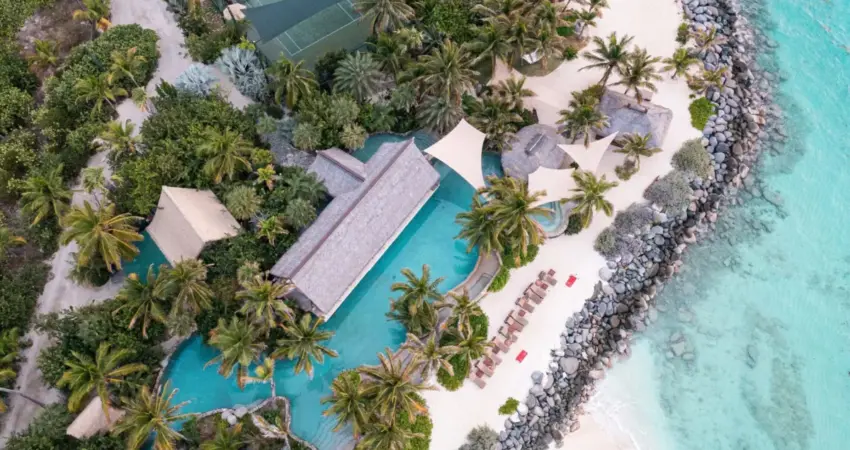
The global hospitality sector is currently witnessing a paradigm shift as the all-inclusive resort model undergoes a significant transformation, evolving from a budget-friendly convenience into a sophisticated, ultra-luxury experience. Traditionally associated with high-volume tourism, standardized buffets, and scripted entertainment, the modern all-inclusive landscape is now defined by architectural excellence, world-class gastronomy, and high-touch personalized service. This shift is particularly evident across the Caribbean, where a new generation of properties in destinations such as Antigua, Grenada, St. Lucia, and St. Vincent and the Grenadines is redefining the expectations of the affluent traveler. As international demand for "frictionless" travel grows, these resorts have become the focal point of a multi-billion-dollar investment wave aimed at capturing a market that prioritizes both cost-certainty and high-end exclusivity.
The Transformation of the All-Inclusive Business Model
For decades, the all-inclusive concept was relegated to a specific niche of the travel market, often criticized for insulating tourists from local cultures and offering mediocre amenities. However, the post-pandemic travel landscape has fundamentally altered consumer priorities. Today’s travelers are increasingly seeking "decision-free" vacations—stays where the cognitive load of planning meals, activities, and logistics is removed, allowing for total mental decompression.
This demand has prompted a "flight to quality." Major hospitality conglomerates, including Marriott International, Hyatt Hotels Corporation, and Hilton, have aggressively expanded their all-inclusive portfolios. These brands are no longer content with mid-market offerings; they are integrating their most prestigious flags—such as Ritz-Carlton and Luxury Collection—into the all-inclusive space. This institutionalization of the model has brought a level of rigor to the service and culinary standards that was previously absent from the sector. The modern guest expects, and now receives, unlimited access to premium spirits, à la carte dining overseen by Michelin-starred chefs, and sprawling suites featuring private infinity pools.
A Chronology of the Caribbean All-Inclusive Sector
The trajectory of the all-inclusive resort in the Caribbean can be traced through several distinct eras, each reflecting broader economic and social trends.
The 1950s–1970s: The Early Pioneers
The concept began with the founding of Club Med in the 1950s, though it was initially focused on communal living and basic amenities. In the 1970s, the model took root in Jamaica with the opening of Negril Village, which eventually paved the way for more structured all-inclusive brands.
The 1980s–1990s: The Rise of the Mega-Resort
This era saw the birth of the "couples-only" and "family-centric" models. Brands like Sandals Resorts International revolutionized the market by offering comprehensive packages that included water sports and airport transfers. While successful, this period was characterized by the "resort bubble," where guests rarely ventured outside the property gates.
The 2000s–2010s: Market Fragmentation and the Boutique Shift
As the market matured, travelers began to demand more variety. This led to the emergence of boutique all-inclusive properties that focused on privacy and local integration. The focus shifted from "how much can I eat?" to "how well can I live?"
2020–Present: The Ultra-Luxury Renaissance
Following the global lockdowns of 2020, the desire for secluded, high-end environments surged. The "new breed" of Caribbean resorts emerged during this time, focusing on low-density development, environmental sustainability, and authentic cultural immersion. This era is defined by the entry of global luxury brands and the development of previously "under-the-radar" islands.
Regional Spotlights: The New Frontiers of Caribbean Luxury
The current boom is not distributed evenly across the Caribbean; instead, it is concentrated in islands that offer a blend of natural beauty and logistical accessibility.
Antigua and Grenada: Culinary and Coastal Excellence
Antigua, famous for its 365 beaches, has become a primary hub for high-end all-inclusive stays. The focus here is on privacy, with resorts designed to blend into the coastal topography. Similarly, Grenada—known as the "Spice Isle"—has leveraged its rich agricultural heritage to lead the "farm-to-table" all-inclusive movement. In these locations, the traditional buffet has been replaced by curated dining experiences featuring just-caught lobster and locally sourced organic produce.
St. Lucia and St. Vincent: Adventure and Seclusion
St. Lucia has long been a favorite for its dramatic Piton mountains, but the new wave of resorts is focusing on eco-luxury. These properties often feature open-air designs that eliminate the barrier between the guest and the tropical environment. St. Vincent and the Grenadines represents the newest frontier. With the recent opening of the Argyle International Airport and the arrival of major luxury brands, the archipelago is transitioning from a yachting-only destination to a premier location for land-based luxury all-inclusive stays.
Supporting Data: The Economics of All-Inclusive Growth
The shift toward luxury all-inclusive resorts is backed by robust economic data. According to reports from the Caribbean Tourism Organization (CTO), the region saw a significant recovery in 2023, with international arrivals approaching pre-pandemic levels.
- Market Value: The global all-inclusive resort market was valued at approximately $14 billion in 2022 and is projected to reach nearly $30 billion by 2030, representing a compound annual growth rate (CAGR) of over 9%.
- Consumer Spending: Data indicates that luxury travelers are willing to pay a premium of 20-30% for all-inclusive packages if they include high-end amenities like spa treatments, private excursions, and premium alcohol.
- Occupancy Rates: High-end all-inclusive properties in the Caribbean reported average occupancy rates exceeding 75% in the winter of 2023-2024, outperforming traditional European-plan (EP) hotels in several key markets.
Industry Perspectives and Stakeholder Reactions
The evolution of the sector has drawn praise from tourism officials and criticism from some local advocacy groups, though the consensus remains that the high-end model offers greater economic benefits than its predecessors.
The Honorable Carlos James, Minister of Tourism for St. Vincent and the Grenadines, has noted that the arrival of high-end brands is a "game-changer" for the local economy, providing thousands of jobs and increasing the island’s global profile. "We are seeing a transition toward sustainable, high-value tourism that respects our natural heritage while providing a world-class experience," James stated in a recent press briefing.
From a corporate perspective, hospitality executives emphasize the efficiency of the model. "The luxury all-inclusive space is one of the fastest-growing segments in our portfolio," a representative from a major global hotel group noted. "It allows us to build deeper loyalty with our guests by providing a seamless, high-quality experience that removes the ‘nickel-and-diming’ often associated with luxury travel."
Analysis of Implications: Sustainability and Local Integration
While the growth of luxury all-inclusive resorts is an economic boon, it presents challenges regarding environmental sustainability and social equity. The "new breed" of resorts is attempting to address these issues through several key strategies:
- Environmental Stewardship: Newer developments are increasingly utilizing solar energy, desalination plants, and plastic-free initiatives. Given the Caribbean’s vulnerability to climate change, these measures are both ethical and essential for long-term business viability.
- Local Sourcing: By moving away from imported frozen goods to fresh, local ingredients, resorts are pumping more money directly into local fishing and farming communities. This "linkage" is crucial for ensuring that tourism wealth benefits the broader population.
- Cultural Authenticity: Modern luxury travelers shun the "generic" resort experience. Consequently, resorts are now hiring local artisans, musicians, and historians to provide guests with a genuine sense of place.
Future Outlook: The Permanence of the All-Inclusive Luxury Trend
The "all-inclusive" label, once a deterrent for the sophisticated traveler, has been successfully rebranded as a mark of convenience and curated luxury. As the Caribbean continues to attract investment, the competition among islands like Antigua, St. Lucia, and Grenada will likely lead to even higher standards of service and more innovative guest experiences.
The trend toward "total immersion" without the "total stress" of planning suggests that the all-inclusive model is not merely a passing fad but a permanent fixture of the luxury travel landscape. For the Caribbean, this evolution represents a vital opportunity to stabilize its tourism-dependent economy while elevating its status as the world’s premier destination for high-end, sun-drenched escapes. The era of the tepid buffet is over; the era of the infinity pool, the private butler, and the unlimited champagne has firmly arrived.

0 Comments