
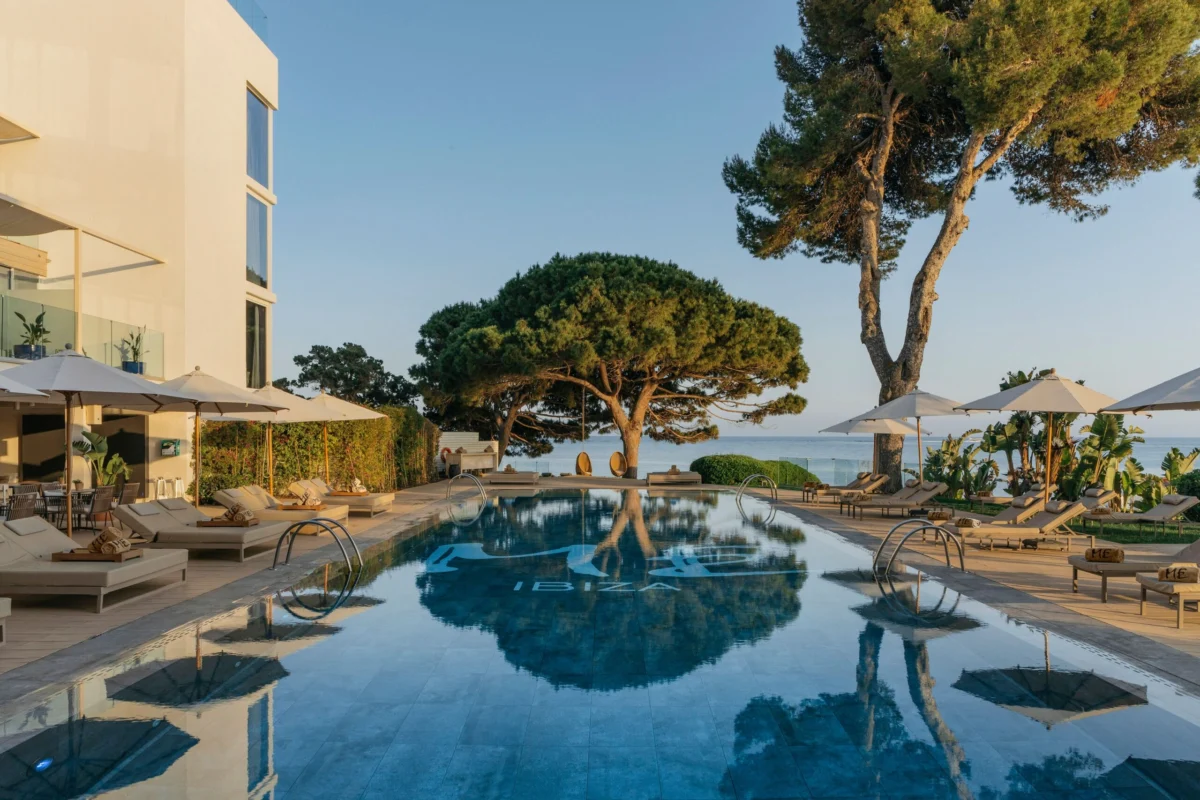
The hospitality landscape of Ibiza is undergoing a profound transformation, signaling a departure from the clinical, minimalist aesthetics that defined the island’s luxury sector for the past two decades. This shift marks the end of an era characterized by sharp-edged, white-on-white interiors, ubiquitous Buddha statues, and rigid fine-dining menus, replaced by a new philosophy of "softly spoken" luxury. The emerging standard for Ibizan accommodations prioritizes environmental consciousness, authentic local craftsmanship, and a deep-rooted respect for Balearic traditions. This evolution is driven by a new generation of hoteliers—often hands-on owners with intimate ties to the land—who are repurposing historic farmhouses, ancient defense towers, and rural estates into sophisticated retreats that emphasize the "homespun" over the mass-produced.

The Paradigm Shift in Ibizan Tourism
For years, Ibiza’s global identity was inextricably linked to its nightlife and a specific brand of high-octane, ostentatious luxury. However, market data and consumer behavior trends indicate a significant pivot. According to recent tourism reports from the Balearic Institute of Statistics (IBESTAT), there has been a notable increase in the demand for rural and "agroturismo" stays, which have seen occupancy rates rivaling those of traditional coastal resorts. This transition reflects a broader global trend toward experiential travel, where affluent visitors seek a "heartfelt connection" to their destination rather than a standardized five-star experience.
The contemporary Ibizan hotel is no longer just a place to stay; it is an exercise in cultural preservation. Architects and designers are increasingly moving away from synthetic materials and imported trends, opting instead for local stone, reclaimed timber, and traditional lime-wash techniques. This "new breed" of hospitality seeks to integrate the island’s Moorish influences and Mediterranean heritage into the guest experience, offering a sense of solitude and historical continuity that was often lost in the previous wave of modernization.

A Chronological Overview of the Island’s Development
To understand the current state of Ibizan hospitality, one must examine the chronological progression of the island’s tourism industry.
The 1960s and 1970s marked the "Hippie Era," where Ibiza was a haven for artists, musicians, and bohemians. Accommodations were largely informal, consisting of modest "pensiones" and shared rural houses. The focus was on the island’s natural beauty and its aura of freedom.

The 1980s and 1990s saw the "Clubbing Revolution." As the island became the epicenter of the global electronic music scene, the hospitality sector scaled up rapidly. Large-scale hotels and resorts were constructed to accommodate the influx of seasonal tourists. During this period, the "luxury" label was often synonymous with proximity to major nightlife hubs.
The 2000s and 2010s introduced the "Minimalist Boom." This era saw the rise of the "White Isle" aesthetic—stark, modern, and often disconnected from the local environment. High-end brands entered the market, bringing a standardized version of luxury that emphasized infinity pools and VIP services but frequently ignored the island’s rural interior.

The 2020s have ushered in the "Authenticity and Sustainability Era." Following the global pandemic, there has been a documented surge in travelers seeking wellness, privacy, and ecological responsibility. The focus has shifted inland to the "campo," where historic fincas (farmhouses) are being restored with a focus on permaculture and "slow" living.
Supporting Data: The Economic Impact of High-End Hospitality
The economic implications of this hospitality shift are substantial. Data from the Spanish Ministry of Industry, Commerce, and Tourism indicates that while total visitor numbers to the Balearic Islands have stabilized, the average spend per tourist has increased. In Ibiza, this is largely attributed to the growth of the boutique luxury sector.
.jpg)
In 2023, the luxury hotel segment in Ibiza saw a 12% increase in RevPAR (Revenue Per Available Room) compared to the previous year. Furthermore, the investment in "green" infrastructure—such as solar energy grids, gray-water recycling systems, and organic farm-to-table programs—has become a prerequisite for new developments. The Balearic government’s Law on Tourism Sustainability and Circularity, passed in 2022, has further codified these requirements, mandating that hotels eliminate single-use plastics and implement carbon footprint monitoring.
Industry Reactions and Professional Analysis
Industry experts suggest that the "human element" is the defining characteristic of this new era. Travel analysts note that the modern luxury traveler is less impressed by gold-plated faucets and more interested in the narrative of the property. "The appeal now lies in the hands-on nature of the hospitality," states one European tourism consultant. "Guests want to know the history of the tower they are sleeping in or the provenance of the olive oil served at breakfast. There is a premium on the handmade and the time-honored."

Local stakeholders, including the Consell Insular d’Eivissa (Ibiza Island Council), have expressed support for this shift toward a more sustainable and culturally respectful model. Officials have emphasized that by promoting agroturismos and boutique hotels in the island’s interior, they can alleviate the seasonal pressure on coastal infrastructure and provide year-round economic opportunities for local farmers and artisans.
However, some analysts caution that this trend toward "exclusive authenticity" risks driving up property prices, making it difficult for locals to maintain traditional lifestyles. The challenge for the island’s administration will be balancing the lucrative high-end tourism market with the preservation of the social fabric that makes the island attractive in the first place.

Diversification of the Lodging Portfolio
The current selection of top-tier hotels in Ibiza reflects a diverse range of experiences, catering to different facets of the "new luxury" demand. The portfolio can be categorized into three primary archetypes:
-
The Restored Agroturismo: These are working farms that have been converted into high-end lodging. They offer guests a chance to participate in the island’s agricultural heritage, with many properties featuring on-site vineyards, citrus groves, and vegetable gardens. The design is typically rustic yet refined, utilizing natural fibers and local textures.
.jpg)
-
The Modern Sanctuary: These properties represent the evolution of the "big guns"—larger, established luxury hotels that have undergone significant renovations to align with the new aesthetic. They often incorporate expansive wellness centers, holistic spas, and architecture that blends into the surrounding landscape rather than dominating it.
-
The Historical Bolthole: This category includes smaller, highly exclusive properties located in ancient structures such as Moorish refuges or 18th-century defense towers. These hotels prioritize privacy and historical integrity, offering a "homespun" feel that contrasts sharply with the corporate atmosphere of traditional hotel chains.

Broader Impact and Implications for the Future
The transformation of Ibiza’s hospitality scene has implications that extend far beyond the borders of the island. It serves as a case study for other Mediterranean destinations—such as Mallorca, Mykonos, and Saint-Tropez—that are grappling with the effects of over-tourism and the erosion of local culture.
By successfully pivoting from a "party island" to a destination for sustainable, high-concept luxury, Ibiza is redefining what it means to be a world-class travel hub in the 21st century. The move toward environmental awareness is not merely a marketing tactic but a necessary adaptation to the realities of climate change and resource management in an island ecosystem.

Furthermore, the emphasis on local tradition and "hands-on" ownership is fostering a more resilient local economy. When hotels prioritize local suppliers, from furniture makers to organic farmers, the economic benefits of tourism are more equitably distributed. This "deeper and more heartfelt connection" to the island, as described by travel journalists, is ultimately what will ensure Ibiza’s longevity as a premier destination.
In conclusion, the evolution of the best hotels in Ibiza reflects a sophisticated understanding of modern travel. The era of the "white box" hotel has passed, giving way to a more nuanced, textured, and responsible form of hospitality. As the island continues to adapt, the focus remains steadfast on quality over quantity, authenticity over artifice, and a profound respect for the unique heritage of this sun-soaked Spanish isle. The shift toward the homespun and the handmade is more than a trend; it is a fundamental realignment of the island’s identity in the global market.

0 Comments