
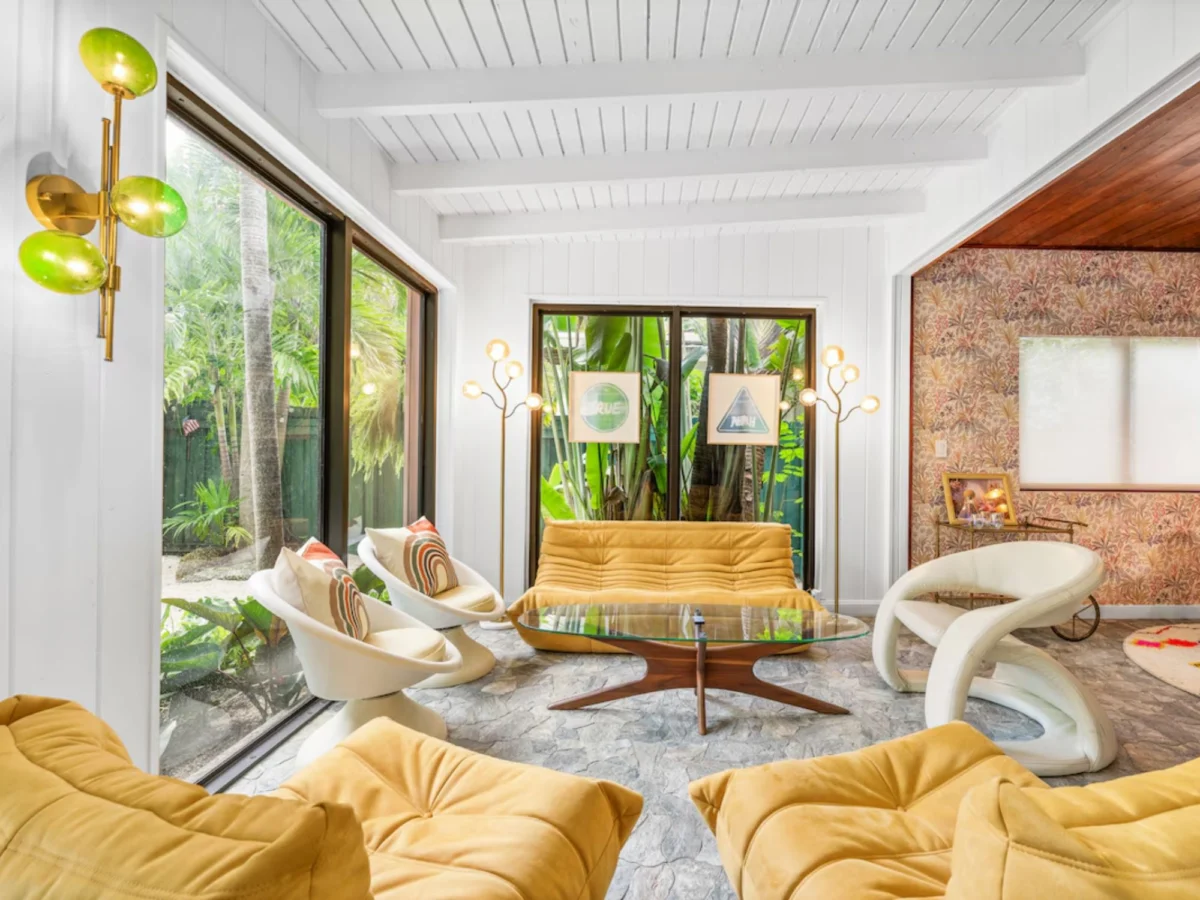
The hospitality landscape in Miami, Florida, is undergoing a significant structural transformation as consumer preferences pivot from traditional hotel stays toward high-end, short-term rental (STR) properties. This shift, characterized by a demand for residential-style living in neighborhoods such as Coconut Grove, Brickell, and South Beach, has forced a reevaluation of urban planning and tourism management within the city. While Miami has long been a global destination for its Art Deco architecture and coastal amenities, the modern traveler increasingly prioritizes "spatial autonomy"—the ability to occupy a full residence rather than a singular hotel room. This trend is driven by a desire for domestic conveniences, including private kitchens, outdoor spaces, and integrated home offices, which have become essential in the post-pandemic travel era.
The Socio-Economic Drivers of Miami’s Rental Expansion
The rise of the short-term rental market in Miami is not merely a byproduct of platform popularity but is rooted in the city’s unique geographic and cultural layout. Miami is comprised of distinct "micro-universes," each offering a different economic and social value proposition. For instance, Coconut Grove serves as a lush, residential sanctuary that appeals to families and long-term visitors, while Brickell has emerged as a high-density financial hub, often referred to as the "Wall Street of the South."
According to data from the Greater Miami Convention & Visitors Bureau (GMCVB), Miami saw a record-breaking influx of visitors in 2023, with over 26.5 million people traveling to the region. While hotel occupancy remained robust, the growth rate of the STR sector outpaced traditional lodging in several key metrics. The preference for private residences is largely attributed to the "bleisure" trend—the blending of business and leisure travel—where guests require larger living areas to accommodate remote work setups and multi-generational family structures.
A Chronology of Miami’s Short-Term Rental Sector
The trajectory of the short-term rental market in Miami can be divided into four distinct phases that reflect the city’s broader economic evolution.
2008–2014: The Emergence and Early Adoption
Following the global financial crisis, Miami’s real estate market faced a significant surplus of condominium inventory, particularly in the downtown core. During this period, early adopters began utilizing platforms like Airbnb to monetize vacant units. This era was marked by a lack of regulation and a focus on budget-friendly accommodations for solo travelers and younger tourists.
2015–2019: Neighborhood Diversification and Professionalization
As the market matured, the geographic focus expanded beyond South Beach into historic and residential areas. Property management companies began to replace individual "mom-and-pop" hosts, bringing a higher standard of interior design and professional cleaning protocols. The introduction of "Superhost" status and "Airbnb Plus" created a tiered system that emphasized quality and reliability.
2020–2022: The Pandemic Boom and Remote Work Migration
The COVID-19 pandemic served as a catalyst for the STR market. Florida’s relatively open policies attracted a massive influx of domestic travelers from the Northeast and Midwest. The "Work from Anywhere" movement turned Miami into a primary destination for long-term stays, with travelers seeking "lifestyle" rentals that featured private pools, gardens, and proximity to outdoor activities.
2023–Present: Institutional Investment and Regulatory Stabilization
Today, the market is characterized by institutional investment, where developers are building towers specifically designed for short-term rental use. Simultaneously, the city has implemented stricter zoning laws and tax requirements to balance the needs of the tourism industry with those of local residents.
Neighborhood Analysis: From Urban Centers to Leafy Hideaways
The Miami STR market is highly segmented by neighborhood, with each area catering to a specific demographic.
Coconut Grove: The Residential Retreat
As Miami’s oldest neighborhood, Coconut Grove offers a "leafy hideaway" aesthetic that contrasts with the neon lights of the beach. Properties here are often characterized by lush landscaping and mid-century modern architecture. Data suggests that properties in Coconut Grove command a premium for their privacy and "village-like" atmosphere, making them a top choice for family-oriented stays.
Brickell: The Skyline and the Solo Professional
The Brickell district has seen the highest density of new STR inventory. Glossy high-rise apartments with skyline views cater to the solo traveler and the corporate executive. These units are often equipped with luxury amenities such as rooftop infinity pools, high-speed fiber-optic internet, and 24-hour concierge services.
South Beach: The Historic Core
South Beach remains the epicenter of Miami’s tourism identity. The focus here is on the preservation of Art Deco buildings. STRs in this area are frequently smaller in square footage but highly valued for their proximity to the Atlantic Ocean and the historic district. However, this area also faces the strictest regulatory oversight due to its high density and historic status.
Regulatory Environment and Official Responses
The growth of the STR market has not been without controversy. The City of Miami and the City of Miami Beach have taken divergent paths in managing the sector.
In Miami Beach, officials have historically maintained some of the most stringent short-term rental regulations in the United States. In certain residential zones, STRs are prohibited entirely, with fines for illegal listings reaching as high as $20,000 per violation. "Our goal is to protect the character of our residential neighborhoods and ensure that our housing stock remains available for long-term residents," a spokesperson for the Miami Beach City Commission stated in a 2023 housing workshop.
Conversely, the City of Miami has adopted a more nuanced approach, allowing STRs in most areas provided they comply with registration and tax requirements. The Florida state legislature has also intervened, frequently debating preemption bills that would limit the ability of local governments to ban STRs, arguing that property owners have a fundamental right to rent their homes.
Supporting Data: Market Performance and Economic Impact
Recent market analysis from AirDNA, a leading provider of short-term rental data, highlights the economic dominance of the Miami market:
- Average Daily Rate (ADR): High-end rentals in Miami neighborhoods like Coconut Grove and the Venetian Islands frequently exceed an ADR of $650, significantly higher than the average hotel room rate in the same vicinity.
- Occupancy Rates: Despite an increase in supply, luxury STRs in Miami maintained an average occupancy rate of 68% in 2023, peaking during major events such as Art Basel and the Miami Grand Prix.
- Tax Revenue: The STR sector contributes millions of dollars annually to the local economy through the "Bed Tax" (Tourist Development Tax), which is used to fund beach restoration, arts programs, and tourism promotion.
Implications for the Future of Urban Travel
The professionalization of the Miami Airbnb market reflects a broader global trend toward the "residentialization" of travel. Travelers are no longer satisfied with the sterile environment of a hotel; they seek a "Miami address" that allows them to integrate into the local fabric. This has led to an increased emphasis on "vetted" listings, where Superhost status, high ratings, and specific amenities—such as high-quality linens, designer decor, and fully equipped kitchens—are non-negotiable standards for the modern guest.
However, the impact on housing affordability remains a critical point of analysis. Critics argue that the conversion of long-term housing into short-term rentals exacerbates the housing crisis in South Florida. Proponents, however, point to the economic revitalization of underutilized neighborhoods and the significant tax revenue generated by the industry.
As Miami continues to grow as a global tech and finance hub, the demand for flexible, high-quality housing will likely persist. The challenge for policymakers will be to foster a sustainable ecosystem that supports the lucrative tourism industry while protecting the integrity of its diverse neighborhoods. The shift toward curated, character-filled homes suggests that the future of Miami travel lies not just in the destination, but in the quality and authenticity of the "home away from home" experience.

0 Comments