
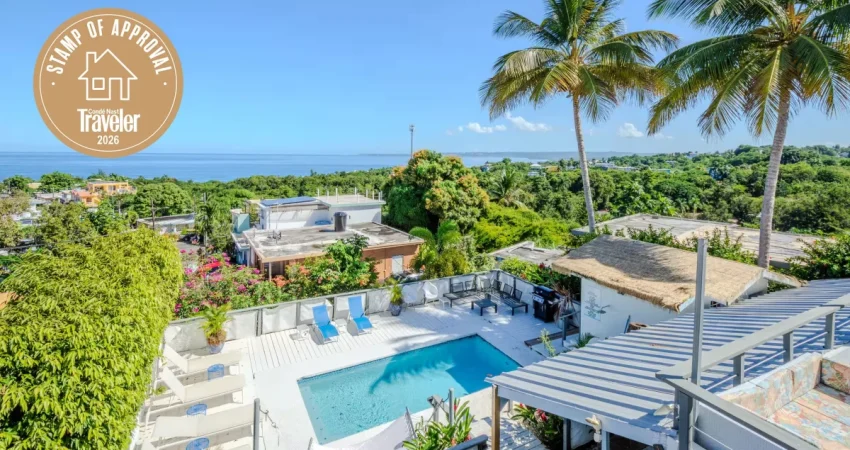
The tourism landscape of Puerto Rico has undergone a significant transformation over the past decade, shifting from a focus on the metropolitan hub of San Juan toward the more secluded, "slow-paced" environments of the island’s west coast. Rincón, historically known as a world-class surfing destination, has recently emerged as a primary node for a specific demographic of travelers: urban professionals from the United States East Coast seeking communal healing, wellness-oriented activities, and high-end short-term rental experiences. This trend is exemplified by the increasing popularity of properties such as the Rincon Surf Club, which cater to groups transitioning through periods of personal or collective change. By examining the logistics, economic impact, and social dynamics of such trips, a clearer picture emerges of how Rincón has solidified its status as a sanctuary for those looking to disconnect from the high-velocity lifestyle of cities like New York.
The Strategic Shift to Western Puerto Rico
For decades, the majority of international arrivals to Puerto Rico were funneled through Luis Muñoz Marín International Airport (SJU) in San Juan. However, the revitalization of Rafael Hernández International Airport (BQN) in Aguadilla has fundamentally altered the travel patterns of those heading to the west. Aguadilla’s proximity to Rincón—roughly a 30-to-45-minute drive—allows travelers to bypass the congested corridors of the north coast, facilitating a more immediate immersion into the rural and coastal ambiance of the Porta del Sol region.
This geographical accessibility is a critical factor for "cold-blooded" East Coasters, a term often used to describe travelers fleeing the harsh winters of the Northeast. The transition from the urban density of New York City to the lush, tropical foliage of Rincón serves as a psychological palate cleanser. Industry analysts note that the demand for "sun and balmy air" destinations has surged by approximately 20% in the post-pandemic era, as travelers prioritize climate-consistent locations that offer both relaxation and outdoor activity.
The Rise of the Communal Short-Term Rental
The modern "girls trip" or group retreat has moved away from traditional hotel models in favor of curated Airbnb properties that offer communal living spaces. The Rincon Surf Club represents a growing sector of the hospitality market: the luxury boutique rental. These properties are designed to bridge the gap between the privacy of a home and the amenities of a resort.
Key features of these accommodations include:
- Shared Outdoor Infrastructure: Pools surrounded by indigenous foliage provide privacy and a "peace of mind" environment that is often unavailable in high-rise hotels.
- Communal Gear Integration: To reduce the logistical burden on travelers, top-tier rentals now provide "adventure kits" including snorkeling gear, beach chairs, umbrellas, and yoga mats.
- Culinary Autonomy: Professional-grade kitchens allow groups to manage costs and dietary preferences by preparing meals in-house, a trend driven by the increasing cost of dining in tourist-heavy zones.
Data from Discover Puerto Rico indicates that short-term rentals now account for a significant portion of the island’s total lodging capacity, with the west coast seeing the highest year-over-year growth in occupancy rates for three-plus bedroom properties. This suggests a move toward "slow travel," where visitors stay longer in one location rather than hopping between multiple cities.
A Chronology of the Rincón Experience
The typical itinerary for a modern group retreat in Rincón balances localized cultural immersion with physical wellness. A standard week-long stay often follows a specific chronological progression designed to maximize decompression.
Phase 1: Arrival and Orientation
Upon arrival at the rental property, the immediate priority is "relinquishing overzealous tendencies" associated with urban life. The first 24 hours are usually dedicated to site-specific relaxation—utilizing on-site pools and establishing a "communal wardrobe" or shared living routine. This phase is essential for establishing the "fluid pace" that defines the Rincón experience.
Phase 2: Cultural Integration
Mid-week activities often center on the Rincón town square. The "Art Walk," a weekly event held on Thursday nights, serves as a primary social hub where tourists and locals interact. This event showcases the work of local artisans and provides a boost to the micro-economy of the town. Following the Art Walk, travelers often seek out local entertainment, such as the burlesque shows and live performances at establishments like Roots Restaurant, which blend traditional Caribbean hospitality with contemporary performance art.

Phase 3: Wellness and Nature
The latter half of the trip typically focuses on wellness activities. Yoga has become a cornerstone of the Rincón tourism product. Locations such as West Coast Ecuestre offer unique "equine yoga" experiences, where practitioners perform exercises on platforms surrounded by horse farms. The auditory environment—marked by the "distant thunder of galloping horses" and tropical birdsong—is cited by many travelers as a highlight of the trip, providing a level of stillness that is unattainable in metropolitan settings.
The Economic Impact of "New York Thrifty" Travel
While the travelers often describe themselves as "thrifty," their spending patterns indicate a high level of support for the local ecosystem. The New York-based traveler profile often involves a "hybrid" spending model: cooking simple meals like pasta and tacos at the Airbnb while reserving significant funds for "holy grail" dining experiences.
Bakku, a Japanese-inspired island restaurant, exemplifies the high-end culinary shift in Rincón. The presence of Wagyu beef and imaginative smoked cocktails in a small beach town reflects the "premiumization" of the local food scene. Other essential local businesses include:
- Wake and Break: A breakfast staple that caters to the early-morning surf and yoga crowd.
- The Beach House: A popular lunch spot known for its views and proximity to Playa Doña Lala.
- Local Grocery Stores: These businesses benefit from the "cook-at-home" trend, as groups stock up on staples for beach sandwiches and late-night snacks.
This economic model ensures that tourism dollars are distributed across multiple sectors, from high-end restaurateurs to local farmers and boutique owners.
Broader Implications and Socio-Economic Analysis
The influx of high-spending travelers to Rincón has broader implications for the island’s development. On one hand, the "Rincón effect" has led to the preservation of natural beauty and the promotion of sustainable, low-impact tourism. The emphasis on "peace, privacy, and foliage" encourages property owners to maintain the ecological integrity of their land.
On the other hand, the rise of the "digital nomad" and the "luxury group traveler" has raised concerns regarding gentrification. As more properties are converted into high-end Airbnbs like the Rincon Surf Club, the availability of affordable housing for local residents has become a point of contention. Local experts suggest that a balance must be struck between welcoming the "exhale and explore" crowd and ensuring that the local community remains vibrant and sustainable.
The Psychological Dimension of Group Retreats
Beyond the economic and logistical facts, the trend of group travel to Puerto Rico is deeply rooted in social psychology. Many groups, such as the one described in the source material, use these trips to navigate "profound change and grief." The structure of the Airbnb—offering both communal areas for "gathering and chatting" and private rooms for "decompressing on one’s own"—is specifically designed to facilitate emotional processing.
The concept of the "shared land" or "communal future" is a recurring theme among millennial and Gen Z travelers. A week in a Rincón Airbnb serves as a "beautiful preview" of a lifestyle that many friends talk about building together: one centered on proximity, shared resources, and a slower pace of life. This "fantasized" future is a powerful driver for the tourism industry, as it transforms a simple vacation into a meaningful life event.
Conclusion: Rincón as a Template for Future Tourism
The success of Rincón’s tourism model lies in its ability to offer a "slice of paradise" that feels authentic yet accessible. By leveraging its natural assets—sunsets, surf, and stillness—and combining them with a sophisticated short-term rental market, the town has created a repeatable template for success.
As long as East Coasters continue to seek refuge from the "blistering" pace of urban life, destinations like Rincón will remain essential. The ability of a location to provide a place to "land, exhale, and explore" is perhaps the most valuable commodity in the modern travel market. As the island continues to recover and evolve, the lessons learned from Rincón’s development will likely inform the future of tourism across the Caribbean, emphasizing the importance of community, wellness, and the "fluid pace" of island life.

0 Comments