
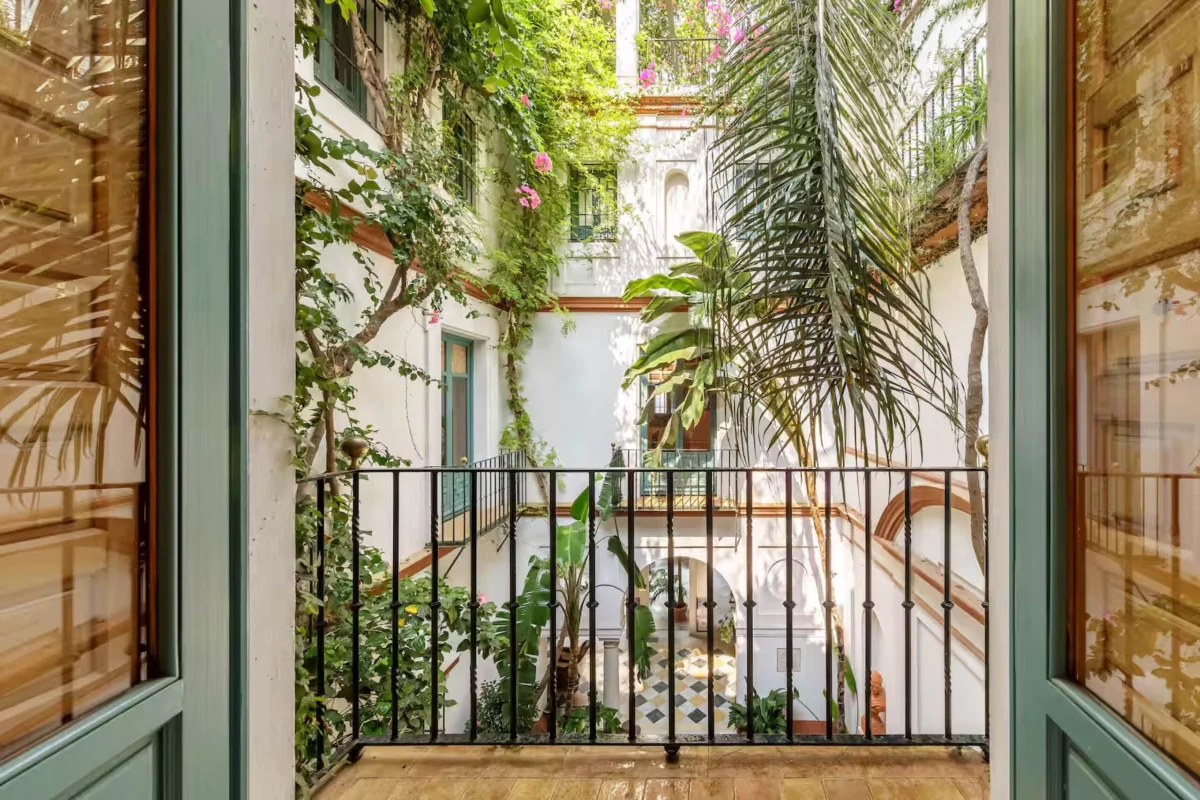
Seville, the capital of Spain’s southern Andalusia region, has undergone a profound transformation over the last decade, evolving from a historic provincial center into a sophisticated global tourism powerhouse. Known for its sun-drenched plazas, the fragrance of blooming orange blossoms, and a distinctive "slow-paced" lifestyle, the city now finds itself at the intersection of traditional Spanish culture and modern travel trends. As Spain ascends the ranks of the world’s most significant gastronomic and cultural destinations, Seville has emerged as an epicenter for travelers seeking an authentic experience that balances historic preservation with contemporary luxury.
The Cultural and Architectural Foundations of Seville
The enduring appeal of Seville is anchored in its dense concentration of historical landmarks, most notably its trio of UNESCO World Heritage sites. The Seville Cathedral, the largest Gothic cathedral in the world, serves as a monumental testament to the city’s Christian history, while the adjacent Giralda tower offers a glimpse into its Almohad past. The Real Alcázar, a palace complex that exemplifies Mudéjar architecture, continues to be a primary draw for international visitors, particularly following its use as a filming location for major global media productions. The third pillar of this UNESCO designation, the Archivo General de Indias, houses the historical records of the Spanish Empire in the Americas, positioning Seville as a vital link between Europe and the New World.
Beyond these stone monuments, the city’s identity is defined by its "Intangible Cultural Heritage." Flamenco, a traditional art form comprising song, dance, and complex guitar work, remains a living industry in Seville. The city’s "tablaos" (flamenco bars) are not merely tourist attractions but are essential venues for the preservation of Andalusian folk traditions. These establishments have seen a resurgence in popularity as younger generations of performers blend traditional techniques with modern influences, ensuring the art form remains relevant in a globalized market.
The Gastronomic Renaissance and Economic Impact
Spain has recently solidified its position as one of Europe’s leading culinary destinations, and Seville stands at the forefront of this movement. The city’s food scene has transitioned from traditional taverns to a vibrant ecosystem of tapas restaurants that innovate on generational recipes. According to data from the Spanish National Statistics Institute (INE), the food and beverage sector in Andalusia has seen consistent growth, with international tourists spending an average of 15% more on gastronomy year-over-year.
The regional wines of Andalusia, including the world-renowned sherries from nearby Jerez and the rising white wines from the Sierra de Sevilla, have become integral to the local dining experience. This gastronomic boom has a direct impact on the local economy, supporting thousands of small businesses and driving employment in the service sector. Industry analysts suggest that Seville’s ability to offer high-quality dining at a variety of price points is a key differentiator that attracts a diverse demographic of travelers, from budget-conscious backpackers to high-net-worth individuals.
The Shift Toward Residential Tourism and the Airbnb Model
As the tourism landscape evolves, there has been a notable shift in how visitors choose to inhabit the city. While Seville boasts an array of high-end, boutique hotels, a significant portion of the market has migrated toward short-term residential rentals. Platforms like Airbnb have become central to the city’s tourism strategy, offering "authentic" stays that allow travelers to "live like a local."
This trend is driven by a desire for immersion. Modern travelers often prioritize properties in residential neighborhoods like Triana or Alameda over traditional hotel districts. To maintain quality control within this decentralized market, metrics such as "Superhost" status and "Guest Favorite" ratings have become essential benchmarks. These designations are awarded based on rigorous criteria, including response rates, low cancellation rates, and consistently high reviews regarding cleanliness, decor, and location.
A Chronology of Seville’s Tourism Development
To understand Seville’s current status, one must look at the timeline of its modern development:
- 1992: The Universal Exposition (Expo ’92). This event served as the catalyst for modern Seville, leading to the construction of high-speed rail links (the AVE) to Madrid and the modernization of the San Pablo Airport.
- 1987: UNESCO Recognition. The inscription of the Cathedral, Alcázar, and Archivo de Indias as World Heritage sites provided the city with a permanent global cultural status.
- 2011–2018: The Gastronomic Surge. A period marked by the opening of numerous "gastro-bars" that reinterpreted traditional tapas, gaining international acclaim from culinary critics.
- 2020–2022: Pandemic Adaptation. Like much of the world, Seville’s tourism sector faced a temporary decline, but used the period to pivot toward more sustainable and less crowded tourism models.
- 2023–Present: The "Authenticity" Movement. A renewed focus on residential tourism and the integration of digital nomads into the local fabric.
Supporting Data: Tourism by the Numbers
Recent data from the Seville City Council (Ayuntamiento de Sevilla) highlights the city’s growing popularity. In 2023, Seville recorded over 3 million overnight stays, with international visitors accounting for approximately 60% of that figure. The United States, France, and the United Kingdom remain the primary source markets for international tourism.
The economic contribution of tourism to the city’s GDP is estimated at approximately 18%. Furthermore, the short-term rental market has grown to occupy a substantial portion of the available lodging, with over 9,000 registered tourist apartments in the city center alone. This growth has prompted a sophisticated regulatory response from local authorities to ensure a balance between visitor needs and the quality of life for permanent residents.
Official Responses and Regulatory Frameworks
The rapid rise of short-term rentals has not been without controversy. In response to concerns regarding gentrification and the rising cost of housing for locals, the Seville City Council has implemented new regulations. These measures include a moratorium on new licenses for tourist apartments in certain high-density neighborhoods and stricter enforcement of zoning laws.
In a statement regarding the balance of tourism, local officials emphasized: "Our goal is to promote a model of sustainable tourism that respects the soul of Seville. While we welcome the economic benefits brought by platforms like Airbnb, we must ensure that our neighborhoods remain vibrant places for Sevillanos to live and work."
Additionally, the regional government of Andalusia has introduced the "VFT" (Vivienda de Fines Turísticos) registry, requiring all short-term rentals to meet specific safety and comfort standards. This regulatory framework aims to professionalize the sector, ensuring that "Superhost" listings are not just stylish but also legally compliant and socially responsible.
Broader Implications: The Future of Seville’s Identity
The evolution of Seville serves as a case study for other European cities balancing heritage with modernization. The city’s ability to maintain its traditional charm—characterized by the "ferias" (festivals), the religious processions of Semana Santa, and the evening "paseo" (stroll)—while embracing the digital sharing economy is a delicate act.
The implications of this shift are twofold. On one hand, the influx of capital from tourism has funded the restoration of historic buildings that might otherwise have fallen into disrepair. On the other hand, the "Disneyfication" of the city center remains a concern for urban planners. The focus on "Superhost" and "Guest Favorite" status in the rental market is an attempt to mitigate these concerns by rewarding hosts who provide genuine hospitality and maintain the aesthetic integrity of their properties.
Looking forward, Seville is expected to continue its trajectory as a leader in "slow tourism." This movement encourages visitors to stay longer, explore lesser-known neighborhoods, and engage more deeply with the local culture rather than simply ticking off major landmarks. As the city continues to bloom, much like the orange trees that line its streets, its success will depend on its ability to offer an experience that is as authentic as it is comfortable.
Conclusion
Seville remains a cornerstone of Spanish identity, a city where the echoes of the past are heard in the rhythm of flamenco and felt in the cool shade of ancient alcázars. The rise of the short-term rental market and the professionalization of residential tourism represent the next chapter in the city’s long history. By leveraging data, maintaining rigorous standards for hospitality, and implementing thoughtful regulations, Seville is positioning itself to remain a sun-kissed destination for generations to come, offering a blueprint for how a historic city can thrive in the 21st century.

0 Comments