
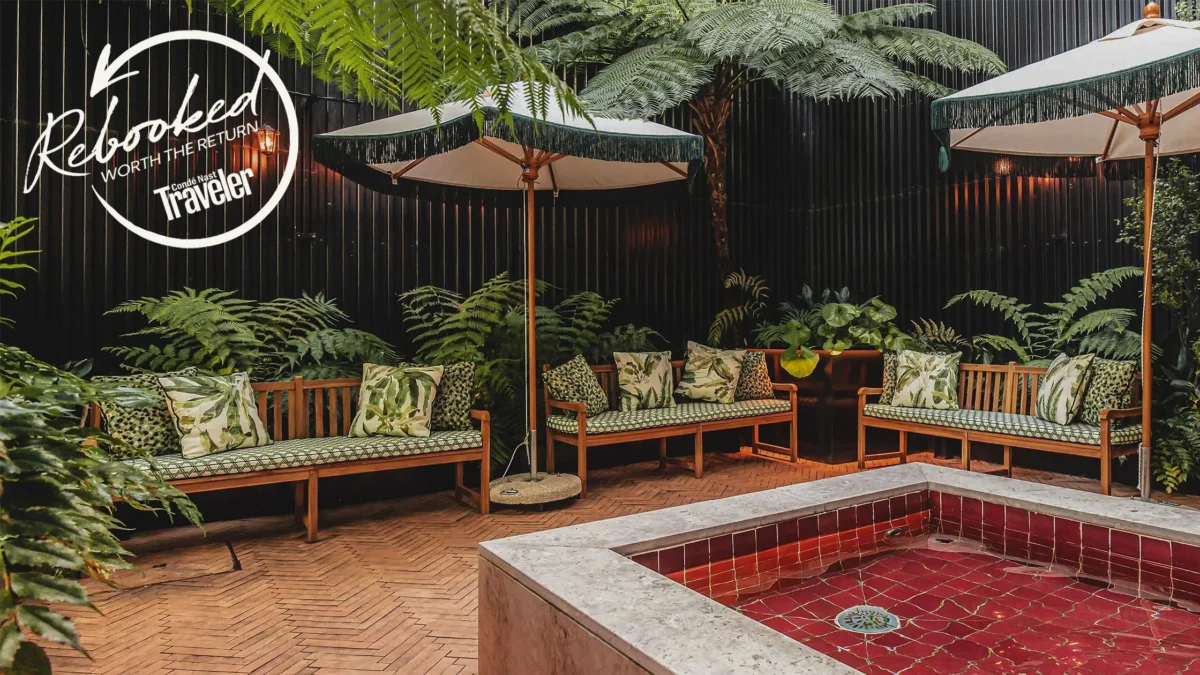
Since its inception in September 2014, the Valverde Lisboa Hotel & Garden has served as a pivotal case study in the transformation of Lisbon’s luxury hospitality sector. Situated on the prestigious Avenida da Liberdade, the establishment has navigated over a decade of significant shifts in the Portuguese tourism landscape, evolving from a niche boutique townhouse into a comprehensive luxury retreat. This evolution mirrors the broader trajectory of Lisbon, which has transitioned from an emerging destination to a primary hub for international affluent travelers. The hotel’s history, characterized by strategic expansion and a commitment to distinct architectural aesthetics, provides a framework for understanding the requirements of high-end service in a city that has faced both rapid growth and occasional systemic challenges.
Historical Development and the 2014 Launch
The Valverde Lisboa opened its doors during a critical period for the Portuguese economy. Following the 2008 financial crisis and the subsequent recovery years, Portugal began to aggressively market itself to North American and Northern European travelers. When the hotel launched in late 2014, it occupied a unique space in the market, offering a "boutique" experience that contrasted with the larger, more traditional luxury hotels that dominated the Avenida da Liberdade at the time.
The original iteration of the Valverde was housed in a classic 19th-century townhouse, featuring approximately two dozen rooms. The design philosophy, spearheaded by architects and interior designers Jose Pedro Vieira and Diogo Rosa Lã, focused on a "layered" aesthetic. This approach utilized velvet upholstery, mid-century modern furniture, and geometric-patterned carpets to create an atmosphere that felt more like a private residence than a commercial lodging. The use of dim, atmospheric lighting and quirky accessories—such as porcelain birds and antique-market finds—established a visual identity that leveraged social media trends, attracting a demographic of "fashionable European influencers" and trend-conscious travelers.
Chronology of Expansion: The 2021 Integration
By 2019, Lisbon was experiencing record-breaking tourism numbers, necessitating a more robust infrastructure for luxury accommodations. In response to this demand, the owners of Valverde Lisboa initiated an ambitious expansion project. The property acquired an adjacent building, allowing for a significant increase in capacity and amenities.

The expansion, completed in 2021, effectively doubled the hotel’s size. The project involved a complex architectural integration where a central interior courtyard was designed to connect the two distinct buildings. This renovation increased the guest room count to 48, while also adding a modernized gymnasium and a second dining venue. Despite the increase in scale, the architectural mandate remained focused on maintaining the "nook-and-cranny" intimacy of the original townhouse. New rooms were outfitted with balconies overlooking the courtyard, further emphasizing the hotel’s "urban oasis" branding.
Strategic Location and Urban Context
The Valverde’s position on Avenida da Liberdade is a central component of its market valuation. Often compared to the Champs-Élysées in Paris or the Upper East Side in New York, the Avenida is Lisbon’s primary artery for luxury commerce.
Proximity to Global Luxury Brands
The hotel is located within a five-minute walking radius of flagship stores for Loewe, Prada, and other high-fashion houses. This proximity caters to a specific segment of the "luxury leisure" market, where shopping and high-end dining are primary travel motivators. The nearby presence of JNcQUOI Avenida, one of the city’s most high-profile culinary and social destinations, further solidifies the hotel’s standing within a high-net-worth ecosystem.
Neighborhood Dynamics
Unlike the nightlife-heavy districts of Bairro Alto or Santos, the Avenida da Liberdade maintains a professional and relatively quiet atmosphere during evening hours. This localized calm has become a selling point for the hotel, positioning it as a "tranquil retreat" amidst a city that has, at times, struggled with over-tourism and noise pollution in its historic center.
Operational Resilience: The April 2025 Iberian Power Crisis
The operational integrity of a luxury establishment is often tested not during peak performance, but during systemic failures. A significant event in the hotel’s recent history occurred in late April 2025, during what became known as the "Great Iberian Blackout." This widespread power failure affected large swaths of Portugal and Spain, resulting in the total loss of electrical grids, Wi-Fi connectivity, and standard municipal services for several days.

During this crisis, the management at Valverde Lisboa implemented a high-level contingency plan that emphasized guest safety and comfort over standard operational protocols. Reports from the period indicate that the staff transitioned to manual service models with high efficiency.
Crisis Management Metrics:
- Safety Protocols: Deployment of battery-powered LED lighting to all guest quarters within the first hour of the outage.
- Communication: Hourly updates provided by concierge staff to guests regarding the status of the national grid.
- Resource Management: The organization of a centralized buffet service to ensure food security for all guests when local restaurants were forced to close.
- Facility Utilization: Maintaining access to the pool and garden areas as "low-tech" relaxation zones to mitigate traveler anxiety.
The ability of the hotel to maintain a "graceful" atmosphere during a national emergency has been cited by industry analysts as a benchmark for service-oriented hospitality. The response highlighted a shift in luxury expectations: guests increasingly value professional composure and logistical problem-solving over mere physical amenities.
Service Philosophy and Guest Demographics
The Valverde Lisboa employs a service model that is described as "casual yet thoughtful." This approach is designed to reduce the friction of formal hospitality, which can sometimes feel alienating to modern travelers. The staff is trained to facilitate a "home-like" environment, a strategy that has resulted in high rates of repeat patronage.
The hotel’s guest profile is diverse, consisting of:
- Affluent Families: Drawn by the safety and central location.
- Stylish Couples: Attracted by the mid-century design and intimate atmosphere.
- High-Level Business Travelers: Who utilize the hotel as a quieter alternative to the large-scale corporate chains located further north in the city’s business district.
Supporting Data and Economic Impact
The success of boutique properties like Valverde Lisboa is supported by broader economic data regarding Portugal’s tourism sector. According to the National Statistics Institute (INE) of Portugal, the luxury segment has shown higher resilience to economic fluctuations than the mid-market sector.

- Average Daily Rate (ADR): High-end boutique hotels on Avenida da Liberdade have seen a steady ADR increase of approximately 5-8% annually since 2018.
- Occupancy Rates: Despite the doubling of its room count in 2021, Valverde has maintained occupancy levels consistent with its smaller-scale predecessor, indicating a strong market absorption for high-quality boutique inventory.
- Market Share: While Lisbon has seen a 30% increase in total hotel beds over the last decade, the "lifestyle luxury" sub-sector remains undersupplied, allowing properties with strong design identities to command a premium.
Analysis of Implications for the Future of Lisbon Hospitality
The trajectory of Valverde Lisboa suggests several key trends for the future of the hospitality industry in Southern Europe. First, the importance of "sanctuary" design will likely increase as urban centers become more crowded. The hotel’s focus on its interior courtyard and water features provides a psychological break from the "din of a trendy European capital."
Second, the expansion of the property without the loss of its intimate character demonstrates that "scale" and "soul" are not mutually exclusive in hotel management, provided the architectural transition is handled with sensitivity to the original brand. The addition of the Bougain Restaurant & Garden Bar allowed the hotel to capture a local "power-lunching" demographic, integrating the property into the local fabric rather than remaining an isolated tourist enclave.
Finally, the hotel’s history reinforces the value of loyalty in an era of digital disruption. By maintaining a consistent service staff and a recognizable aesthetic, Valverde has cultivated a base of guests who have returned "over a dozen times" throughout the decade. In a market saturated with options, this loyalty serves as a critical buffer against the volatility of the global travel market.
Conclusion
The Valverde Lisboa Hotel & Garden stands as a testament to the enduring appeal of personalized, design-forward hospitality. From its early days as a 24-room townhouse to its current status as a 48-room luxury landmark, the property has successfully navigated the complexities of Lisbon’s urban growth. Its ability to provide a tranquil environment, coupled with its robust performance during the 2025 energy crisis, positions it as a leader in the next generation of European boutique hotels. As Lisbon continues to evolve, the Valverde model of "resilient luxury" will likely serve as a blueprint for future developments in the region.

0 Comments