
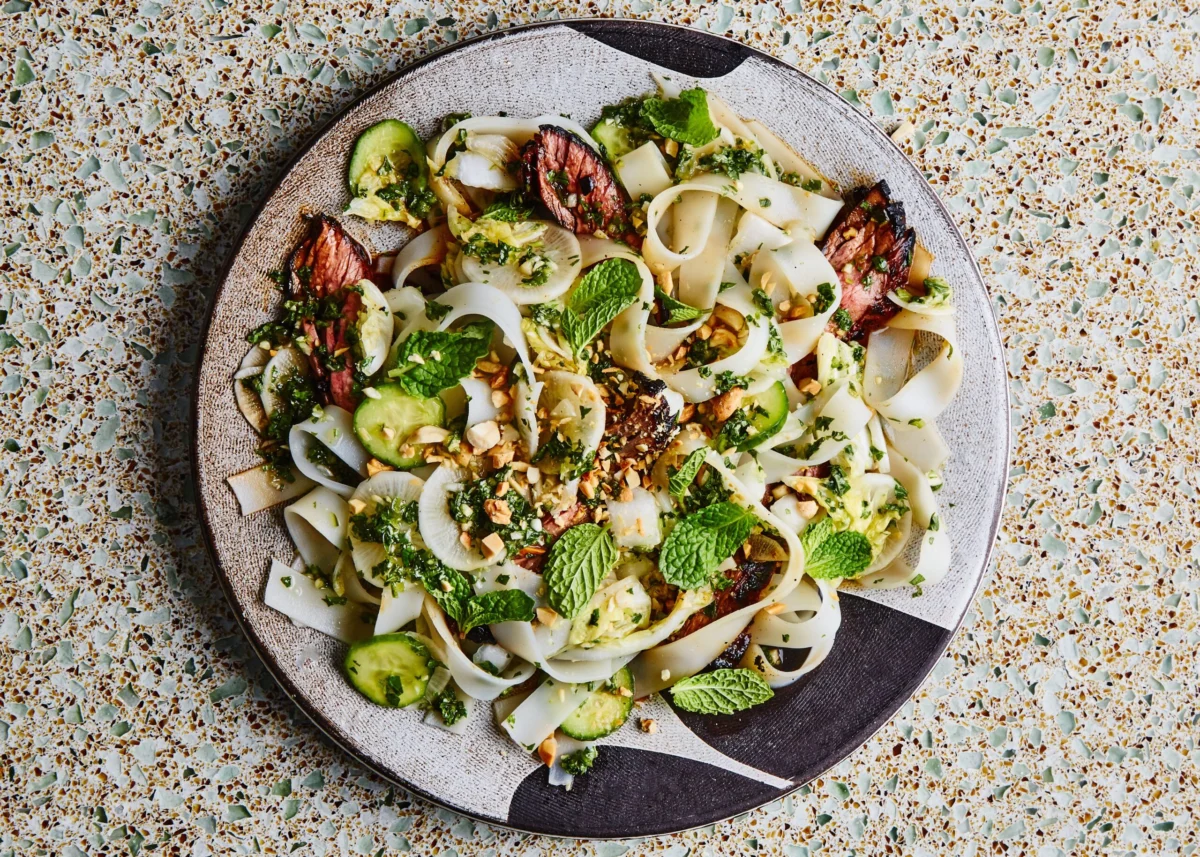
The seemingly simple rice noodle, a staple across Asian cuisines, represents a culinary landscape far more varied and sophisticated than its unassuming appearance might suggest. From the comforting embrace of brothy bowls to the vibrant energy of punchy stir-fries and the refreshing crispness of chilled noodle salads, these versatile strands form the foundation of countless beloved dishes. Their global appeal, coupled with their rapid cooking time and remarkable ability to absorb an array of flavors, cements their status as a go-to ingredient for home cooks and professional chefs alike. Understanding the nuances of different rice noodle varieties is key to unlocking their full potential, transforming everyday meals into extraordinary culinary experiences.
A Taxonomy of Rice Noodles: Understanding the Diversity
At the grocery store, consumers encounter a spectrum of names and forms for rice noodles, including rice sticks, rice vermicelli, and flat rice noodles. While all are derived from rice flour and water, their varying thicknesses, shapes, and manufacturing processes impart distinct textures and cooking characteristics, making them suitable for specific culinary applications. Familiarizing oneself with these differences, and indeed, learning the precise terminology for each noodle type, is an essential step for any enthusiast seeking to master rice noodle cookery.
One prominent example is Bánh phở, a medium-width flat rice noodle that serves as the quintessential base for Vietnam’s iconic noodle soup, Phở. Its slightly chewy texture and substantial width allow it to hold up beautifully in rich, aromatic broths, absorbing the complex flavors of star anise, cinnamon, and ginger without becoming mushy. The ability of Bánh phở to maintain its integrity in hot liquids is crucial to the Phở experience, providing a satisfying textural contrast to tender slices of beef or chicken.
Another widely recognized variety is Ho fun, also known as Kway teow, characterized by its wide, flat, and exceptionally chewy ribbons. These noodles are particularly well-suited for high-heat stir-frying. The broad surface area of Ho fun allows it to capture the smoky "wok hei" – the distinctive aroma and flavor imparted by a searing hot wok – and cling to savory sauces, making dishes like Cantonese Chow Fun a true delight. The inherent chewiness of Ho fun provides a delightful counterpoint to the crispness of vegetables and the tenderness of proteins often found in stir-fried preparations.
For dishes requiring a more delicate touch, Hsinchu mifen, a type of fine rice vermicelli originating from Hsinchu, Taiwan, excels. These thin, thread-like noodles cook incredibly quickly, making them ideal for rapid stir-fries and other quick-cooking noodle preparations. Their delicate nature allows them to be easily tossed with sauces and vegetables, ensuring an even distribution of flavor without overwhelming the dish. They are also a popular choice for lighter noodle salads, where their subtle texture complements fresh ingredients.
Regardless of their specific form, a universal characteristic of rice noodles is their speed of cooking and their extraordinary capacity for flavor absorption. This dual attribute makes them an incredibly efficient and adaptable ingredient in a wide range of culinary contexts.
The Historical Roots and Global Spread of Rice Noodles
The origins of rice noodles can be traced back to ancient China, with evidence suggesting their existence as far back as 2,000 years ago. The cultivation of rice, which began in Asia thousands of years ago, naturally led to the development of various rice-based food products, including noodles. Early forms were likely made by grinding rice into flour and mixing it with water, then extruding or pressing the dough into strands.
Over centuries, the production and consumption of rice noodles spread throughout East, Southeast, and South Asia, adapting to local ingredients and culinary traditions. In Vietnam, the noodle culture flourished, giving rise to dishes like Phở, which itself has a relatively recent history, believed to have emerged in the early 20th century in Northern Vietnam. The French colonial presence in Vietnam is often cited as a potential influence on the development of Phở, with some theories suggesting the inclusion of beef bones for broth was inspired by French stock-making techniques.

In Thailand, rice noodles are central to many national dishes. Pad Thai, a globally recognized stir-fried noodle dish, typically features flat rice noodles (Sen Lek) and is believed to have gained popularity in the mid-20th century as part of a nationalistic campaign to promote a distinct Thai cuisine. Similarly, in Malaysia and Singapore, wide rice noodles, known as Kway teow, are a staple in dishes like Char Kway Teow, a flavorful stir-fry often cooked over high heat.
The diaspora of Asian populations across the globe has further cemented the international presence of rice noodles. As communities have established themselves in new countries, they have brought their culinary traditions with them, making rice noodle dishes accessible and beloved in virtually every corner of the world. This global reach underscores the adaptability and universal appeal of this humble ingredient.
Culinary Applications: From Comforting Broths to Vibrant Salads
The versatility of rice noodles is perhaps their most compelling attribute. Their ability to seamlessly transition between different flavor profiles and cooking methods allows them to be featured in a diverse array of dishes, each offering a unique sensory experience.
Brothy Bowls: The comfort of a steaming bowl of noodle soup is a universal pleasure, and rice noodles are a prime candidate for this category. Their ability to absorb the rich essence of broths makes them ideal for dishes like Vietnamese Phở, where the noodles become infused with the complex aromatics of the soup. In Chinese cuisine, thin rice vermicelli is often used in light, delicate noodle soups, providing a subtle base for a variety of toppings. The gentle cooking process ensures the noodles remain tender yet possess enough structure to hold their own against the liquid.
Punchy Stir-Fries: The high-heat, rapid cooking of stir-fries is perfectly complemented by the quick-cooking nature of many rice noodles. Wide, flat noodles like Ho fun are particularly well-suited for absorbing the intensely savory flavors of soy sauce, oyster sauce, and other stir-fry seasonings, while also developing a delightful chewiness from the wok’s intense heat. Thin rice vermicelli can also be used in stir-fries, offering a lighter texture that allows other ingredients to shine. The key to a successful rice noodle stir-fry lies in preparing all ingredients in advance, as the noodles cook in mere minutes.
Chilled Noodle Salads: For a refreshing and lighter option, rice noodles are a natural choice for salads. Cooked and then cooled, their texture can range from slightly chewy to delightfully soft, depending on the variety. These noodles serve as an excellent canvas for a variety of dressings, from tangy vinaigrettes to creamy peanut sauces. Fresh herbs, crisp vegetables, and lean proteins like grilled chicken or shrimp can be combined to create vibrant and satisfying noodle salads, popular in cuisines like Thai and Vietnamese. The coolness of the noodles, combined with the bright flavors of the accompanying ingredients, makes them a perfect choice for warmer weather or a lighter meal.
The Science of Texture and Flavor Absorption
The unique textural qualities of rice noodles are a direct result of their primary ingredient: rice flour. Unlike wheat-based noodles, which contain gluten that provides elasticity and chewiness, rice noodles rely on the starch content of the rice for their structure. The way the rice flour is processed – the fineness of the grind, the hydration levels, and the cooking methods employed during noodle production – significantly influences the final texture.
The gelatinization of rice starch during cooking is a key factor in how rice noodles absorb flavor. When heated in water, the starch granules swell and absorb liquid, becoming soft and pliable. This process also opens up the noodle structure, creating microscopic pores that readily absorb surrounding liquids and dissolved flavor compounds. This explains why rice noodles are such an effective vehicle for sauces and broths, becoming infused with taste rather than merely coated.
The differences in noodle thickness also play a crucial role in both cooking time and flavor absorption. Thinner noodles, like vermicelli, have a higher surface area to volume ratio, allowing them to cook faster and absorb flavors more rapidly. Conversely, wider and thicker noodles, such as Ho fun, require slightly longer cooking times but can hold more substantial sauces and offer a more pronounced chew. Understanding these physical properties allows cooks to select the appropriate noodle for their desired culinary outcome.

Economic and Agricultural Significance
The production of rice noodles is intrinsically linked to the global rice industry, a sector that is vital to food security and economic stability in many parts of the world. Asia, in particular, is the world’s largest producer and consumer of rice. Countries like China, India, Vietnam, Thailand, and Indonesia are major players in both rice cultivation and rice noodle manufacturing.
The demand for rice noodles has seen a steady increase globally, driven by growing Asian populations, the increasing popularity of Asian cuisine, and the perception of rice noodles as a gluten-free alternative to wheat-based products. This sustained demand supports agricultural economies by creating a consistent market for rice, particularly specific varieties that are favored for noodle production.
However, the industry also faces challenges. Fluctuations in rice prices due to weather patterns, global trade policies, and agricultural practices can impact the cost of noodle production. Furthermore, ensuring sustainable and ethical sourcing of rice, as well as optimizing manufacturing processes to minimize environmental impact, are ongoing considerations for the industry.
Future Trends and Culinary Innovation
The future of rice noodle cuisine appears bright, with continued innovation and adaptation shaping its evolution. As culinary exploration expands, new ways of preparing and incorporating rice noodles are likely to emerge.
One area of potential growth is the development of novel rice noodle varieties with enhanced textural properties or specialized applications. Research into different rice strains and processing techniques could lead to noodles with even greater elasticity, chewiness, or a more delicate mouthfeel.
The gluten-free aspect of rice noodles will likely continue to drive their popularity in Western markets, with chefs and home cooks seeking versatile and delicious gluten-free options. This could lead to increased experimentation with fusion dishes that blend rice noodles with non-traditional flavor profiles and ingredients.
Furthermore, advancements in food technology and manufacturing could lead to more efficient and environmentally friendly production methods for rice noodles, further enhancing their appeal. The ongoing global appreciation for diverse culinary traditions suggests that the rice noodle, in its myriad forms, will remain a celebrated and indispensable ingredient for years to come.

0 Comments