
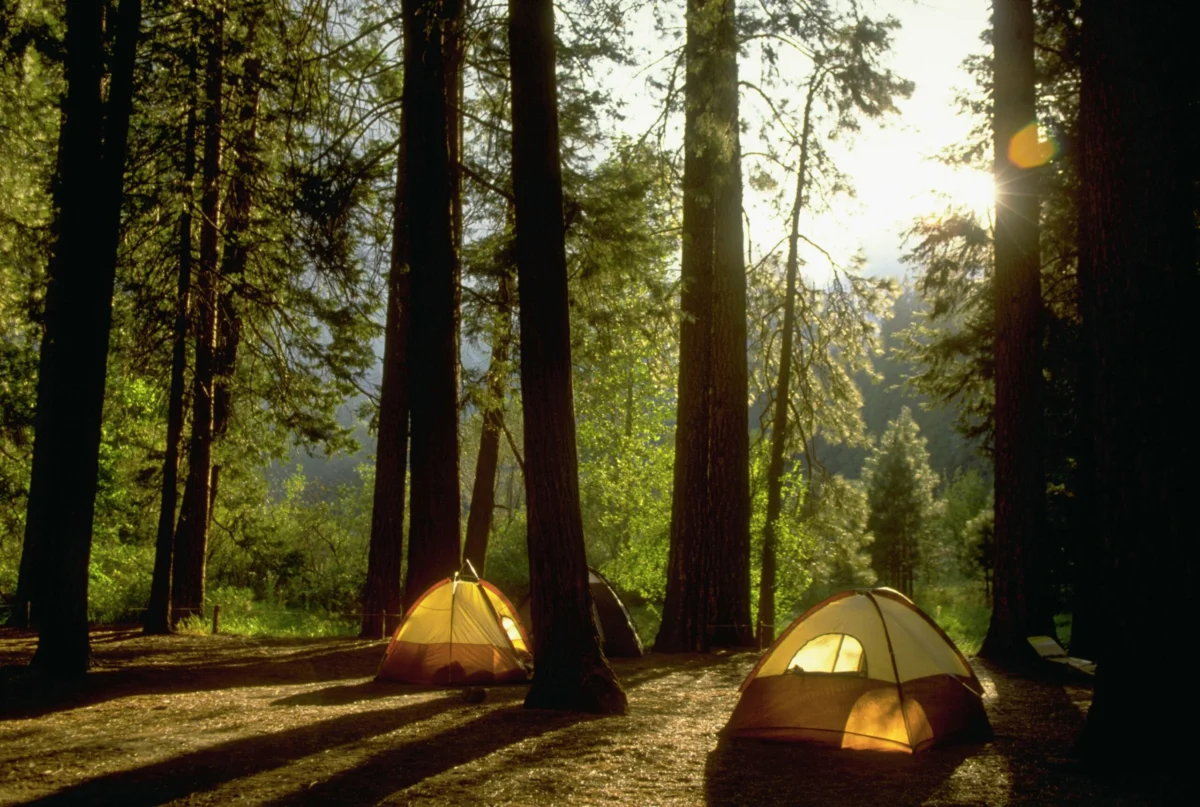
The allure of California’s natural landscapes extends far beyond its sun-drenched beaches and iconic urban centers. For those seeking an authentic connection with the state’s diverse ecosystems, the opportunity to trade a comfortable bed for a sleeping bag under the vast, star-studded sky offers an unparalleled experience. From the towering majesty of ancient redwood forests to the stark, breathtaking beauty of its deserts, California’s campgrounds are poised to convert even the most reluctant urban dwellers into ardent outdoor enthusiasts. The state’s commitment to preserving its natural heritage, boasting nine national parks and 280 state parks, ensures an abundance of spectacular settings for camping. This article explores some of the most compelling destinations across California, highlighting their unique appeal and the transformative power of experiencing nature firsthand.

California’s Commitment to Conservation: A Foundation for Outdoor Exploration
California’s unparalleled natural beauty is a direct result of decades of dedicated conservation efforts. The establishment of its extensive network of national and state parks has not only safeguarded vital ecosystems but also provided accessible avenues for public enjoyment and recreation. This commitment, dating back to the late 19th century with the preservation of Yosemite Valley, has continued to expand, recognizing the intrinsic value of protecting these wild spaces for future generations.
- National Parks: California is home to nine of the nation’s most celebrated national parks, each offering distinct geological and ecological wonders. Beyond the well-known Yosemite, the state also features Sequoia National Park, renowned for its giant sequoia trees; Lassen Volcanic National Park, a showcase of hydrothermal activity; and Pinnacles National Park, known for its unique rock formations and cave systems. These parks represent a significant portion of the federal government’s efforts to preserve America’s natural and cultural heritage.
- State Parks: Complementing the national park system, California’s 280 state parks offer a vast array of landscapes, from coastal bluffs to inland mountain ranges. This extensive network ensures that diverse natural experiences are available to residents and visitors alike, often providing more intimate and less crowded camping opportunities.
From Coast to Desert: A Journey Through California’s Premier Camping Destinations
California’s geographical diversity translates into a remarkable range of camping experiences. Whether one seeks the cool, damp air of a coastal forest, the rugged grandeur of mountain peaks, or the serene silence of a desert expanse, the state offers a destination to suit every preference. The following selections represent a curated list of locations that embody the magic of camping in California.

Yosemite National Park: Cathedral of Giants and Granite
Yosemite National Park, a UNESCO World Heritage site, is arguably California’s most iconic natural treasure. Its granite cliffs, ancient sequoias, and cascading waterfalls have inspired artists, writers, and nature lovers for generations. Camping within Yosemite offers an immersive experience in a landscape of monumental scale and profound beauty.
- Key Attractions: Yosemite Valley, home to El Capitan and Half Dome, offers dramatic vistas and world-class climbing. The Mariposa Grove of Giant Sequoias provides an opportunity to stand in awe of trees that have witnessed centuries of history. Tioga Pass, open seasonally, grants access to the high country’s alpine lakes and meadows.
- Camping Experience: Campgrounds like Upper and Lower Pines in Yosemite Valley offer direct access to iconic views, while those in Wawona or Tuolumne Meadows provide a more secluded experience. Advance reservations are almost always essential, often booked months in advance, reflecting the park’s immense popularity. The availability of shuttle services within the valley helps mitigate the impact of private vehicles, enhancing the visitor experience and preserving the park’s tranquility.
- Ecological Significance: Yosemite’s ecosystem supports a wide array of flora and fauna, including black bears, mule deer, and various bird species. The park’s conservation efforts focus on maintaining the ecological balance, including prescribed burns to manage forest health and protect against catastrophic wildfires.
Redwood National and State Parks: Walking Among Titans
The sheer scale of the coastal redwood forests in Northern California is humbling. Redwood National and State Parks, a cooperative management effort, protect nearly half of the world’s remaining old-growth coast redwoods, the tallest trees on Earth. Camping here is an unparalleled opportunity to connect with a truly ancient and majestic environment.

- Key Attractions: Driving the Newton B. Drury Parkway or the scenic Coastal Drive offers stunning views. Hiking trails like the Lady Bird Johnson Grove or the Tall Trees Grove provide intimate encounters with these giants. The rugged coastline, with its sea stacks and tide pools, adds another layer of natural wonder.
- Camping Experience: Campgrounds such as Jedediah Smith Redwoods State Park’s Stout Grove campground or Prairie Creek Redwoods State Park’s Elk Prairie campground place campers directly within the heart of the redwood ecosystem. The damp, cool air, the filtered sunlight, and the pervasive quiet create a sense of profound peace. Reservations are highly recommended, especially during peak season.
- Conservation History: The establishment of these parks was a hard-fought battle against logging interests, commencing in the early 20th century and culminating in the consolidation of federal and state lands. This collaborative approach has been crucial in preserving these irreplaceable forests.
Joshua Tree National Park: A Desert Oasis of Surreal Beauty
Joshua Tree National Park, located in Southern California, offers a starkly different, yet equally captivating, camping experience. The park is a unique blend of the Mojave and Colorado deserts, characterized by its iconic Joshua trees, massive rock formations, and a stunning nocturnal sky.
- Key Attractions: The Wonderland of Rocks provides a playground for rock climbers and hikers. The Cholla Cactus Garden offers a unique, albeit spiky, botanical display. The park’s elevation changes create distinct microclimates, supporting a surprising diversity of plant and animal life adapted to arid conditions.
- Camping Experience: Campgrounds like Jumbo Rocks and Hidden Valley offer campsites nestled among large granite boulders, providing a sense of seclusion and natural shelter. The real magic, however, often unfolds after sunset. With minimal light pollution, Joshua Tree offers some of the most spectacular stargazing opportunities in the continental United States. The quiet, the cool desert air, and the vast expanse of stars create an unforgettable experience. Reservations are often required, particularly for popular campgrounds.
- Desert Ecology: The park’s survival depends on a delicate balance of scarce resources. The Joshua tree itself, a symbol of the park, is a slow-growing plant that relies on specific conditions for germination and survival. Conservation efforts here focus on protecting these fragile desert habitats from human impact and invasive species.
Big Sur: Where Mountains Meet the Pacific
The rugged coastline of Big Sur, a stretch of Highway 1 between Carmel and San Simeon, is a place of breathtaking beauty where the Santa Lucia Mountains dramatically plunge into the Pacific Ocean. Camping here offers a chance to experience this iconic landscape up close, with the sound of waves as a constant companion.

- Key Attractions: Pfeiffer Big Sur State Park is a popular choice, offering redwood groves and access to the Big Sur River. Julia Pfeiffer Burns State Park, home to the iconic McWay Falls that cascades onto the beach, offers stunning coastal vistas. The scenic drives, numerous hiking trails, and opportunities for whale watching add to its appeal.
- Camping Experience: Campgrounds like Big Sur Campground & Cabins or Riverside Campground & Cabins offer a more rustic experience, often nestled among redwoods. The air is fresh with the scent of eucalyptus and the salty tang of the ocean. Due to its popularity and the sensitive nature of the coastal environment, reservations are essential and can be difficult to secure. The limited development in Big Sur has helped preserve its wild character.
- Geological Significance: The dramatic cliffs and coves of Big Sur are a result of complex geological processes, including tectonic plate movement and coastal erosion. The constant interplay of land and sea shapes this dynamic landscape.
Anza-Borrego Desert State Park: A Hidden Gem of Desert Wonders
While Joshua Tree often garners more attention, Anza-Borrego Desert State Park, California’s largest state park, offers a vast and less-crowded desert camping experience. This park is renowned for its dramatic badlands, palm oases, and a spectacular wildflower bloom in the spring.
- Key Attractions: The Palm Canyon Trail leads to a secluded oasis of California fan palms. The Slot Canyon offers a narrow, winding path through sandstone formations. The park’s extensive network of dirt roads provides opportunities for off-road exploration and access to remote camping sites.
- Camping Experience: Campgrounds such as Borrego Palm Canyon offer basic amenities, while dispersed camping is permitted in designated areas, allowing for a truly remote desert experience. The silence of the desert night, punctuated only by the calls of nocturnal wildlife, is profound. During the spring, the desert floor can transform into a vibrant carpet of wildflowers, a spectacular phenomenon that draws visitors from across the state.
- Conservation and Recreation: Anza-Borrego’s conservation efforts focus on protecting its unique desert ecosystems and the species that inhabit them, including the Peninsular bighorn sheep. The park encourages responsible recreation, emphasizing Leave No Trace principles to minimize impact on the fragile desert environment.
The Transformative Power of Camping: More Than Just a Getaway
The act of camping in California’s natural parks offers more than just a scenic escape; it provides an opportunity for personal growth and a deeper appreciation for the environment. The challenges of setting up camp, the reliance on natural elements, and the disconnection from daily routines can foster resilience, problem-solving skills, and a renewed sense of perspective.

- Connection to Nature: Immersing oneself in natural environments has been scientifically linked to reduced stress levels, improved mood, and enhanced cognitive function. The sensory experiences of camping—the sounds of nature, the scent of pine or desert sage, the feel of the earth underfoot—are powerful antidotes to the artificial stimuli of modern life.
- Building Self-Reliance: From navigating trails to preparing meals without modern conveniences, camping encourages self-sufficiency. This can be particularly empowering for individuals who typically rely on urban infrastructure and services.
- Environmental Stewardship: Experiencing the beauty and fragility of these natural spaces firsthand often instills a stronger sense of environmental responsibility. Visitors who witness the impact of human activity are more likely to become advocates for conservation.
Planning Your California Camping Adventure
Successful camping in California requires thoughtful planning and preparation. Given the popularity of many state and national parks, early booking is paramount.
- Reservations: For most established campgrounds in popular parks like Yosemite and Big Sur, reservations are essential and should be made months in advance through official park websites or reservation systems like Recreation.gov.
- Permits: Some backcountry camping or dispersed camping may require permits, which can be obtained from park ranger stations.
- Gear: Essential camping gear includes a tent, sleeping bags suitable for the expected temperatures, cooking equipment, navigation tools, and appropriate clothing for varied weather conditions.
- Safety: Familiarize yourself with park regulations, potential wildlife encounters (especially bears and rattlesnakes), and weather forecasts. Always inform someone of your itinerary and expected return time.
- Leave No Trace: Adhering to Leave No Trace principles is crucial for preserving the natural beauty of these areas. This includes packing out all trash, staying on designated trails, respecting wildlife, and minimizing campfire impacts.
California’s campgrounds offer a gateway to experiencing the state’s extraordinary natural heritage in its most authentic form. By embracing the simplicity and wonder of sleeping under the stars, campers can discover not only the breathtaking landscapes of the Golden State but also a deeper connection with themselves and the natural world. The transformative power of these experiences makes a compelling case for trading the comforts of home for the profound beauty and serenity found in California’s wild places.

0 Comments