
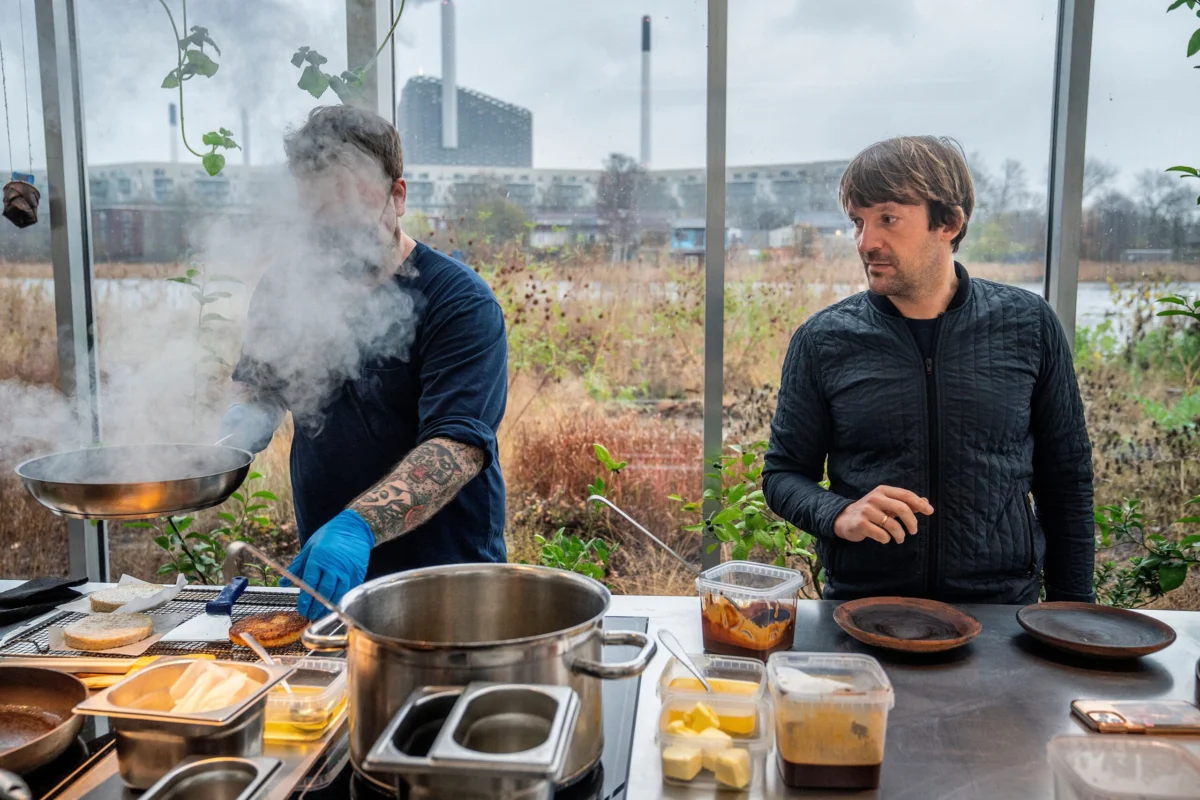
The restaurant widely lauded as the world’s finest, Noma, has found itself at the epicenter of a significant controversy, as its highly anticipated Los Angeles residency has coincided with explosive allegations of abuse and exploitation against its founder, René Redzepi. What began as fervent anticipation for a culinary transplant has morphed into a public reckoning for one of gastronomy’s most influential figures and the establishment he built. This unfolding drama raises profound questions about the cost of culinary innovation, the accountability within high-pressure kitchen environments, and the industry’s capacity for genuine change.
Noma, which first opened its doors in Copenhagen in 2003 and has consistently garnered Michelin stars since 2011, embarked on its four-month Los Angeles residency on March 11th. The announcement of this temporary relocation to Silver Lake, bringing its distinctive Copenhagen-based ethos to California, was met with a predictable surge of interest. Tickets, priced at an eye-watering $1,500 per person, sold out almost instantaneously, a testament to Noma’s unparalleled reputation. This financial barrier, however, immediately became a point of discussion, alongside more speculative gossip about the logistical arrangements for Redzepi’s family, including potential schooling for his children. Amidst this buzz, a far more serious and unsettling narrative began to emerge, one that would fundamentally challenge the gilded image of Noma and its celebrated chef.
The simmering discontent erupted onto social media platforms, particularly Instagram, where former chefs and interns associated with Noma began to voice allegations of severe mistreatment and abuse at the hands of Redzepi. These accounts, initially shared through anonymous channels and later amplified by former staff, painted a starkly different picture of the kitchen environment than the one typically presented by the restaurant. This groundswell of testimony coincided with the launch of the LA residency, creating a dramatic juxtaposition between the celebratory atmosphere of a global culinary event and the dark undercurrent of alleged past transgressions.
The unfolding controversy has prompted a critical examination of Noma’s legacy and Redzepi’s leadership. As the LA pop-up commenced, the industry and dining public were confronted with the uncomfortable reality that the pinnacle of global cuisine might be built upon a foundation of alleged abuse, forcing a difficult conversation about ethics, power dynamics, and accountability in the high-stakes world of fine dining.
A Residency Met with Mixed Reactions and Growing Unease
The swift sell-out of Noma’s Los Angeles residency, a feat that might ordinarily signify unqualified triumph, was tempered by a complex array of reactions from the local culinary community. While the prospect of Noma’s presence undoubtedly promised to inject a significant dose of global attention and potentially elevate the visibility of Los Angeles’s vibrant dining scene, a palpable sense of apprehension also permeated discussions among local chefs. Many expressed concerns that the allure of the pop-up could divert valuable patronage and reservations away from their own establishments, particularly during its four-month run. This sentiment highlighted the inherent tension between celebrating an internationally acclaimed entity and safeguarding the interests of established local businesses.
However, the most profound and troubling reactions emerged from those who had previously worked under Redzepi’s tutelage. Chefs and kitchen staff who had dedicated their careers to Noma’s exacting standards took to social media with accounts that transcended mere professional critique, delving into allegations of profound psychological and, in some cases, physical mistreatment. These personal testimonies, often shared with considerable trepidation, began to chip away at the carefully curated image of Noma as a nurturing ground for culinary talent.
The Unveiling of Allegations: From Social Media to a Major Investigation
The catalyst for widespread public awareness of the alleged abuses appears to have been the Instagram page of Jason Ignacio White, a former head of Noma’s fermentation lab. In early February, White began to share critical perspectives on Noma and Redzepi on his platform. This initiative soon evolved into a repository for a deluge of anonymous direct messages, purportedly from former Noma chefs, detailing experiences of alleged abuse and exploitation under Redzepi’s leadership. These messages, shared as screenshots, provided a harrowing glimpse into the alleged toxic culture that may have permeated the kitchen.
The gravity of these allegations did not go unnoticed. The New York Times, a publication with a significant footprint in food journalism, launched its own investigation. Published on March 7, a mere four days before the Los Angeles residency’s opening night, the report by Julia Moskin independently interviewed 35 former employees. Their collective accounts traced a disturbing pattern of alleged physical violence inflicted by Redzepi on his staff. The report detailed accusations of Redzepi punching employees in the face, jabbing them with kitchen implements, and slamming them against walls between the years of 2009 and 2017.
Beyond the physical altercations, the former employees described enduring profound psychological trauma. These accounts included persistent intimidation, body shaming, and public ridicule. The report further alleged that Redzepi threatened to leverage his considerable influence to blacklist individuals from restaurant opportunities globally, and in some instances, to impact their families by threatening deportation or job loss for their spouses.
In response to the New York Times investigation, Redzepi issued a statement acknowledging the impact of his past actions. "Although I don’t recognize all details in these stories," he stated, "I can see enough of my past behavior reflected in them to understand that my actions were harmful to people who worked with me. To those who have suffered under my leadership, my bad judgment, or my anger, I am deeply sorry and I have worked to change." This admission, while a step towards accountability, did little to quell the growing storm of criticism.
Sponsors Withdraw Support and Protests Erupt in Los Angeles
The escalating public outcry and the damning revelations in the New York Times investigation had immediate repercussions for Noma’s Los Angeles venture. Key sponsors, who had initially aligned themselves with the prestigious culinary event, began to sever ties. American Express and Blackbird, both of whom had secured blocks of tickets to offer to their cardholders and members, publicly announced their withdrawal of support.
Blackbird, a prominent entity in the culinary world, explicitly cited moral objections to Redzepi’s alleged past behavior. In a statement to the Times, Blackbird’s founder, Ben Leventhal, declared, "René’s past practices, by his own admission, were unacceptable and abhorrent. We cannot lean on time elapsed and rehabilitation claims when these things resurface." This statement underscored a growing sentiment that past apologies and claims of personal growth were insufficient in the face of substantiated allegations of abuse.
American Express, while allowing existing ticket holders to request refunds, pledged to reinvest the proceeds from any un-refunded tickets into hospitality workers in the Los Angeles area. They also indicated that three nights of the pop-up, which they had purchased but not yet released, would be returned to Noma. This move signaled a clear attempt to distance the company from the controversy while demonstrating a commitment to supporting the broader hospitality community. Blackbird similarly offered refunds to its customers and committed to reinvesting proceeds into organizations dedicated to protecting restaurant workers, aligning itself with the burgeoning movement for greater worker rights in the industry.
The controversy also manifested physically. A group of protesters, notably led by Jason Ignacio White, gathered outside Noma’s Los Angeles residency. Bearing signs with slogans such as "No Michelin Stars for Violence" and "Your Kitchen is a Crime Scene," their demonstration served as a visible manifestation of the public’s demand for accountability and a rejection of the normalization of abuse within the culinary world.
In the wake of this intense public pressure, Redzepi announced his intention to step down from his long-held position as Noma’s figurehead. He declared he would abdicate his role as head chef and resign from the board of MAD, a non-profit organization he founded in 2011 to support emerging chefs. In a statement posted on his Instagram, Redzepi acknowledged the ongoing efforts to transform Noma’s culture but admitted that these changes did not erase the past. "An apology is not enough; I take responsibility for my own actions," he wrote, marking a significant personal concession in the face of the unfolding crisis.
Broader Implications for the Culinary Industry
The Noma controversy is more than just a scandal affecting a single restaurant; it serves as a critical inflection point for the entire global culinary industry. For decades, the pursuit of culinary perfection has often been associated with demanding, high-pressure environments, where grueling hours and intense personalities were tacitly accepted, if not celebrated, as necessary components of gastronomic excellence. The allegations against Redzepi, amplified by the success and influence of Noma, have brought these often-unexamined aspects of kitchen culture into sharp focus.
The sheer audacity of the allegations, coming from a chef and a restaurant at the pinnacle of the culinary world, has forced a broader conversation about the potential for abuse of power inherent in such positions. The willingness of former employees to speak out, despite the potential for professional repercussions, indicates a growing collective resolve to challenge established norms. The fact that these allegations have gained such widespread traction, culminating in a major newspaper investigation and the withdrawal of corporate sponsors, suggests a shift in public and industry sentiment. There is an increasing intolerance for abusive practices, regardless of the perpetrator’s prestige or the perceived brilliance of their work.
The timeline of events – the announcement of the LA residency, the emergence of social media allegations, the New York Times investigation, sponsor withdrawals, and protests, all culminating in Redzepi’s resignation from his leadership roles – illustrates the rapid and profound impact of coordinated criticism and investigative journalism. This sequence of events highlights the power of collective voice and the increasing transparency demanded of even the most revered institutions.
The financial implications are also significant. The substantial price tag of Noma’s residency, while a reflection of its exclusivity, also underscores the economic disparity within the industry. The controversy surrounding Noma, however, has shifted the focus from ticket prices to ethical considerations. The withdrawal of sponsors like American Express and Blackbird, and their subsequent reinvestment into hospitality worker support, signals a potential recalibration of corporate partnerships within the food world. This suggests a growing expectation that such partnerships must align with ethical standards and contribute positively to the well-being of industry professionals.
Ultimately, the Noma saga serves as a stark reminder that culinary artistry cannot exist in a vacuum, divorced from the human cost of its creation. The allegations have illuminated the dark side of ambition and the potential for celebrated figures to inflict harm. The industry now faces the challenge of moving beyond mere apologies and implementing systemic changes that foster genuinely respectful and safe working environments, ensuring that the pursuit of gastronomic excellence does not come at the expense of human dignity and well-being. The implosion of Noma’s pristine image may, paradoxically, pave the way for a more ethical and sustainable future for the culinary world.

0 Comments