
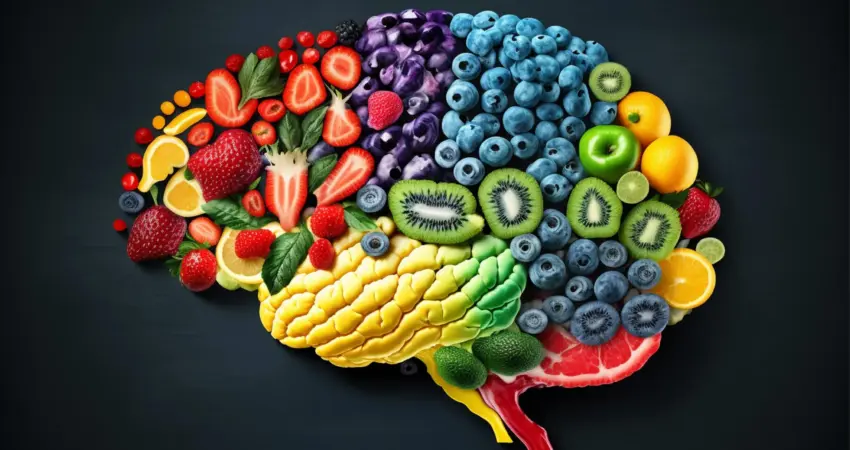
A groundbreaking study published online in the Journal of Neurology, Neurosurgery & Psychiatry suggests that adherence to the MIND diet, a hybrid of the Mediterranean diet and an eating plan specifically designed to lower blood pressure, is associated with a slower rate of structural brain aging. The research indicates that following this dietary pattern can lead to less brain tissue loss over time, particularly in grey matter, and a reduced enlargement of the brain’s fluid-filled ventricles. These findings hold significant implications for cognitive health and the prevention of neurodegenerative diseases.
Unpacking the MIND Diet’s Protective Mechanisms
The MIND diet, an acronym for Mediterranean-Dietary Approaches to Stop Hypertension Intervention for Neurodegenerative Delay, has previously been linked to improved cognitive function. Its core principles revolve around a rich consumption of plant-based foods, lean proteins, and healthy fats, while strictly limiting less beneficial options. Specifically, the diet champions:
- Daily: Green leafy vegetables, other vegetables, and nuts.
- Weekly: Berries, whole grains, fish, beans, and poultry.
- Daily use of: Olive oil.
- Limited consumption of: Butter/margarine, cheese, red meat, pastries/sweets, and fried/fast foods.
- Moderate consumption of: Wine.
While prior research has established a connection between the MIND diet and enhanced cognitive performance, its direct impact on the structural changes within the aging brain remained a subject requiring deeper investigation. These structural alterations, including shrinking brain tissue and enlarged ventricles, are not only indicative of normal aging but are also closely associated with the progression of neurodegenerative conditions such as Alzheimer’s disease and Parkinson’s disease. Understanding how diet can influence these physical changes provides a crucial avenue for proactive brain health strategies.
A Longitudinal Study: Tracking Brain Health Over Time
To rigorously examine this association, researchers embarked on an extensive longitudinal study involving 1,647 middle-aged and older adults. Participants, with an average age of 60 at the commencement of the study, were drawn from the Framingham Heart Study Offspring cohort (FOS). This cohort is renowned for its comprehensive, multi-generational data collection on cardiovascular health and related factors, providing a robust foundation for investigating the interplay between lifestyle and brain structure.
The study participants underwent regular health evaluations, typically occurring every four to eight years, allowing for a continuous monitoring of their health status. Commencing in 1999, the participants also underwent repeated MRI brain scans at intervals ranging from two to six years. This repeated imaging allowed researchers to meticulously track subtle changes in brain volume and structure over an extended period.
Dietary intake was assessed through at least one Food Frequency Questionnaire (FFQ) completed during check-ups across several key periods: 1991-1995, 1995-1998, and 1998-2001. These questionnaires provided detailed information about participants’ eating habits over a significant timeframe leading up to and during the brain imaging phase. Crucially, each participant had at least two brain MRI scan assessments between 1999 and 2019, and at the outset of their first MRI scan, they showed no evidence of stroke or dementia, ensuring that the observed changes were attributable to aging and lifestyle factors rather than pre-existing neurological conditions.
The average MIND diet score among participants was just under 7 out of a possible 15, with a score of 15 representing the highest level of adherence. This distribution allowed researchers to categorize participants into different adherence levels to analyze the impact of varying dietary patterns.
Demographic and Health Profile of High Adherence Group
Further analysis revealed distinct characteristics among individuals in the highest third of MIND diet adherence. These participants were more likely to be women and possess a college education, suggesting potential correlations between socioeconomic factors, health literacy, and dietary choices. Furthermore, they exhibited a lower propensity for smoking and obesity, both well-established risk factors for a range of chronic diseases, including those affecting brain health.
Perhaps most significantly, individuals with higher MIND diet adherence were less likely to have prevalent conditions that can negatively impact brain health, such as type 2 diabetes, high blood pressure, and cardiovascular disease. This overlap underscores the systemic benefits of the MIND diet, highlighting its potential to act as a protective factor against multiple age-related health challenges. The synergistic effect of managing these conditions through diet could contribute significantly to preserving brain integrity.
Quantifying the Impact: Slower Grey Matter Loss and Reduced Ventricular Enlargement
Over an average follow-up period of 12 years, the MRI scans revealed expected age-related changes across the study group. These included a general decrease in total brain volume, grey matter, white matter, and hippocampal volumes. Concurrently, the volumes of cerebrospinal fluid and brain ventricles increased, a common phenomenon as brain tissue shrinks. White matter hyperintensities, which appear as bright spots on MRI scans and can indicate microscopic tissue damage, also showed an increase.
However, a notable divergence emerged when examining participants with higher MIND diet scores. These individuals experienced a significantly slower rate of grey matter loss. The study quantified this effect: each 3-point increase in the MIND diet score was associated with a slower rate of grey matter loss of 0.279 cm³ per year. This equates to a 20% reduction in age-related decline and is equivalent to approximately 2.5 years of delayed brain aging in terms of grey matter preservation.
A similar protective pattern was observed in the enlargement of the brain’s ventricles. Each 3-point rise in the MIND diet score was associated with a slower expansion of total ventricular volume by -0.071 cm³ per year. This finding translates to approximately 8% less tissue loss in this area and suggests an equivalent of about 1 year of delayed brain aging in terms of ventricular volume stabilization. The preservation of grey matter is particularly crucial, as this brain region is the seat of higher cognitive functions, including memory, learning, decision-making, and information processing.
Key Food Groups Driving the Benefits: Berries and Poultry Shine
Delving deeper into the dietary components, the researchers identified specific food groups that appeared to contribute most significantly to these favorable associations. Higher intake of berries, rich in antioxidants and flavonoids, was consistently linked to slower increases in ventricular volume. Similarly, poultry, a source of lean protein and essential nutrients, was associated with both slower ventricular enlargement and a reduced rate of grey matter decline.
Conversely, the study highlighted the detrimental effects of certain food choices. Higher consumption of sweets was associated with faster ventricular enlargement and greater hippocampal atrophy, a region vital for memory formation. Fried fast foods also showed a negative correlation, being linked to a larger decline in hippocampal volume. The researchers posited that MIND-recommended foods rich in antioxidants, such as berries, and high-quality protein sources like poultry, may combat oxidative stress and mitigate neuronal damage. In contrast, fried fast foods, often laden with unhealthy fats, trans fats, and advanced glycation end-products, may contribute to inflammation and vascular damage, thereby accelerating brain aging.
Unexpected Findings and Nuances in the Data
While many of the findings aligned with expectations, some results presented intriguing nuances. Higher whole grain intake, often promoted for its general health benefits, was surprisingly associated with several unfavorable structural changes in this study. These included faster losses of grey matter and hippocampal volume, as well as accelerated ventricular enlargement. This finding underscores the complexity of dietary impacts and suggests that the overall dietary pattern, rather than isolated food groups, may be the key determinant of brain health.
In an unexpected turn, greater cheese intake was associated with the opposite pattern. It was linked to slower declines in grey matter and hippocampal volume, less ventricular enlargement, and fewer white matter hyperintensities. While the MIND diet recommends limiting cheese, this particular finding warrants further investigation to understand the potential protective mechanisms at play. It could suggest that certain components of cheese, or its moderate consumption within an otherwise healthy diet, might offer unexpected neuroprotective benefits.
Age, Activity, and Weight: Modulating Factors
The observed benefits of the MIND diet appeared to be particularly pronounced in older participants. The overall associations remained consistent across various analytical approaches, but the protective effects were amplified among those in the older age brackets of the study. This suggests that the MIND diet could be especially relevant and impactful for individuals who are at a greater risk of faster brain aging or who already exhibit more significant variations in the pace of brain atrophy.
Furthermore, stronger associations between MIND diet adherence and slower brain aging were also observed among participants who were more physically active and among those who were not overweight or obese. This synergistic effect highlights the interconnectedness of lifestyle factors in maintaining brain health. Combining a brain-healthy diet with other healthy habits, such as regular exercise and weight management, could potentially offer a more robust defense against neurodegenerative disease.
Limitations and Future Directions
It is crucial to acknowledge the observational nature of this study. While the findings are compelling, they cannot definitively establish a cause-and-effect relationship between the MIND diet and slower brain aging. The study relies on self-reported dietary data through food frequency questionnaires, which are susceptible to recall bias, meaning participants may not accurately remember or report their food intake.
The researchers also noted limitations such as the inability to completely rule out mild cognitive impairment at the time of the first MRI scan, potential changes in diet over the study’s duration, and the influence of unmeasured genetic risk factors. Moreover, the study population was predominantly White, meaning the findings may not be universally applicable to individuals from other ethnic backgrounds.
Despite these limitations, the researchers concluded that "These findings reinforce the potential of the MIND diet as a brain-healthy dietary pattern and support its role in strategies aimed at slowing neurodegeneration in aging populations." The study provides robust evidence supporting the value of dietary interventions in preserving brain structure and function throughout the aging process. Future research could focus on randomized controlled trials to confirm causality, investigate the specific biological mechanisms underlying the diet’s effects, and explore its applicability across diverse populations. The ongoing pursuit of understanding how diet impacts brain health offers hope for developing effective strategies to promote cognitive longevity and reduce the burden of neurodegenerative diseases.

0 Comments