
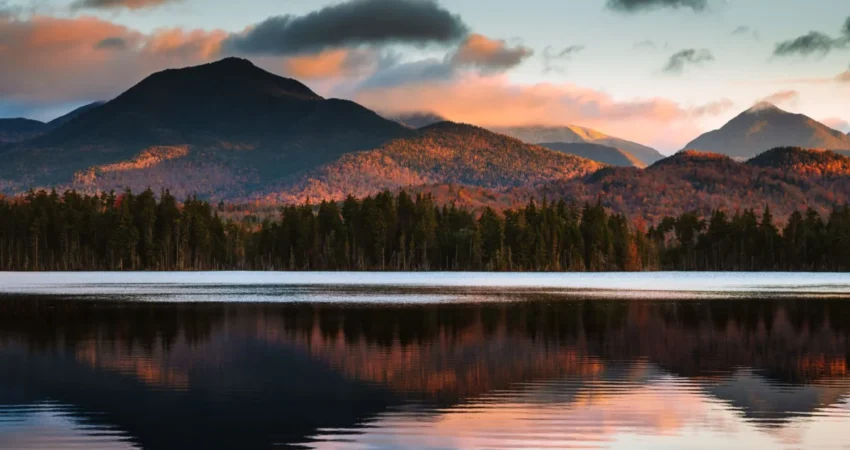
The annual transformation of the American landscape into a mosaic of crimson, gold, and ochre represents one of the most significant recurring events in the nation’s environmental and tourism sectors. As autumn approaches, vast regions of the United States undergo a biological transition that draws millions of travelers, colloquially known as "leaf-peepers," to specific geographic corridors. This seasonal shift, which typically commences in late September and concludes in late November, is not merely a visual spectacle but a multi-billion-dollar economic driver for rural communities from the Pacific Northwest to the Atlantic coast.
The Chronology of the 2024 Foliage Season
The progression of autumn color across the United States follows a predictable, albeit weather-dependent, timeline. The process is initiated by decreasing photoperiods and cooling temperatures, which signal deciduous trees to cease chlorophyll production. This allows carotenoids and anthocyanins—the pigments responsible for yellow, orange, and red hues—to become visible.
The season begins at the highest latitudes and elevations. Typically, by the final week of September, peak colors are observed in northern Maine, the White Mountains of New Hampshire, and the high-altitude regions of the Rocky Mountains in Colorado and Montana. By mid-October, the "peak" moves southward through the Mid-Atlantic and the lower Midwest. Finally, by late October and early November, the Southern Appalachian Mountains and the coastal regions of the Pacific Northwest reach their visual zenith.

Economic and Environmental Supporting Data
According to data from the U.S. Travel Association and various state tourism bureaus, fall foliage tourism contributes significantly to the annual GDP of several states. In Vermont alone, the autumn season accounts for approximately 25% of the state’s annual tourism revenue, bringing in an estimated $460 million. Similarly, the National Park Service reports that the Great Smoky Mountains National Park sees its highest visitation numbers in October, with nearly 1.5 million visitors arriving to witness the seasonal change.
However, recent climatological data suggests that the window for peak foliage is shifting. Research from the United States Department of Agriculture (USDA) indicates that warming autumn temperatures have delayed the onset of peak colors by approximately five to seven days over the past three decades. Furthermore, extreme weather events, such as summer droughts or late-season hurricanes, can cause trees to drop leaves prematurely, complicating the "leaf-peeping-maxx" strategies employed by modern travelers seeking the most vibrant tableaus.
Premier Regional Spotlights: New England and the Northeast
Stowe, Vermont: The Quintessential Northern Escape
Stowe remains a primary destination for those seeking the classic New England experience. Nestled within the Green Mountains, the town’s elevation allows for an extended viewing season. Local authorities emphasize the importance of the microbrewing and maple industries in supporting the local economy during this surge. Travelers frequently visit Shaw’s General Store and engage in high-altitude hiking to gain panoramic views of the forest canopy.
The Berkshires, Massachusetts: A Cultural and Natural Intersection
In Western Massachusetts, the Berkshires offer a blend of pastoral beauty and cultural history. The region, which famously inspired artists like Norman Rockwell and writers like Edith Wharton, utilizes the fall season to highlight its boutique hospitality sector. Key locations include Monument Mountain and the town of Lenox, where farm-to-table dining at establishments like Prairie Whale becomes a central part of the tourist experience.

Franconia Notch State Park, New Hampshire: The White Mountain Gateway
Located within the White Mountain National Forest, Franconia Notch provides some of the most dramatic verticality in the Northeast. The area is home to the Appalachian Trail and Artist Bluff, which offers views of Echo Lake. The reflection of red and gold maples on the lake’s surface provides a significant draw for landscape photographers and outdoor enthusiasts.
The Adirondacks, New York: The High Peaks Region
Approximately four hours north of New York City, the Adirondacks encompass six million acres of protected land. With over 3,000 lakes and ponds, including Lake Placid, the region offers a diverse array of viewing platforms. The local economy benefits from a mix of luxury lakefront stays and rugged "upstate" cabin rentals.
The Southern Appalachian Corridor
Blue Ridge Mountains, North Georgia
At the southern terminus of the Appalachian Trail, North Georgia offers a milder climate for autumn viewing. The region near the Tennessee border, specifically around Brasstown Bald, provides a vantage point where the Southern climate allows for a slower, more prolonged color change compared to the rapid shifts seen in the North.
Great Smoky Mountains, Tennessee and North Carolina
The Great Smoky Mountains National Park is often cited as the most visited national park in the country. The "smoke"—a natural blue-tinted fog produced by volatile organic compounds released by the dense vegetation—creates an ethereal backdrop for the fall colors. Popular routes like the Cades Cove loop are essential for vehicle-based viewing, while the Laurel Falls Trail offers pedestrian access to the interior forest.

Shenandoah National Park, Virginia
Extending across nearly 200,000 acres, Shenandoah is defined by Skyline Drive, a 105-mile road that runs the length of the park along the ridge of the mountains. The park’s management focuses on maintaining over 500 miles of trails to distribute the foot traffic of the hundreds of thousands of visitors who arrive each October.
The American West and Pacific Northwest
Aspen, Colorado: The Golden Standard
Aspen is unique due to the dominance of the Populus tremuloides (Quaking Aspen) tree. Unlike the multi-colored forests of the East, Aspen offers a monochromatic sea of brilliant gold. Because aspen groves are often clonal colonies sharing a single root system, entire hillsides frequently change color simultaneously. This creates a high-prestige travel window that rivals the winter ski season in economic importance.
Sun Valley, Idaho: The High Desert Transition
Sun Valley provides a rugged alternative to the Colorado Rockies. The region’s history is inextricably linked to Ernest Hemingway, who spent significant time in the area. Today, the Sun Valley Resort and local memorials serve as hubs for travelers who pair leaf-peeping with historical tours of the high desert landscape.
North Cascades, Washington: The American Alps
In the Pacific Northwest, the North Cascades offer a craggy, alpine environment. The "Cascade Loop" drive is the primary artery for tourism, featuring views of Liberty Bell Mountain. Unlike the deciduous forests of the East, the North Cascades are known for the "Golden Larch"—a rare deciduous conifer that turns bright yellow before dropping its needles.

Columbia River Gorge, Oregon
The border between Oregon and Washington provides a unique ecological intersection where temperate rainforest meets high desert. The Columbia River Gorge is famous for its waterfalls, which are framed by bigleaf maples and Douglas firs during the autumn months. The transition from the coast to the interior gorge offers a diverse range of color stages within a single day’s drive.
Mid-Atlantic Highlights: Laurel Highlands, Pennsylvania
The Laurel Highlands region of Pennsylvania offers a distinct architectural perspective on the fall season. While Mount Davis and Ohiopyle State Park provide traditional hiking opportunities, the region is best known for Frank Lloyd Wright’s Fallingwater. This mid-century modern masterpiece was designed to integrate seamlessly with the surrounding forest and waterfall. The building’s cantilevered tiers and expansive glass walls are intended to frame the natural environment, making it a primary destination for those seeking to view the foliage through the lens of architectural history.
Broader Impact and Implications
The surge in autumn tourism presents both opportunities and challenges for state and federal land managers. The National Park Service (NPS) has increasingly moved toward reservation systems and shuttle services to mitigate the environmental impact of overcrowding in "hotspot" areas like Zion, Acadia, and the Smokies.
Analysis from environmental economists suggests that the "shoulder season"—the period between the peak summer and winter holidays—is becoming increasingly vital for the survival of small-town businesses. As summer heatwaves become more intense, travelers are opting for the cooler, more temperate conditions of the fall, effectively extending the primary tourism season.

Furthermore, the conservation of these forests is increasingly viewed through the lens of carbon sequestration. The vibrant leaves that attract tourists are also the final stage of a year-long process of carbon absorption. Forestry experts note that maintaining the health of these deciduous ecosystems is essential not only for the aesthetic and economic value of the foliage season but for the broader national strategy of climate mitigation.
As the 2024 season progresses, stakeholders from the hospitality industry to environmental agencies continue to monitor weather patterns closely. The intersection of meteorology, biology, and economics ensures that the American autumn remains one of the most scrutinized and celebrated transitions in the natural world.

0 Comments