
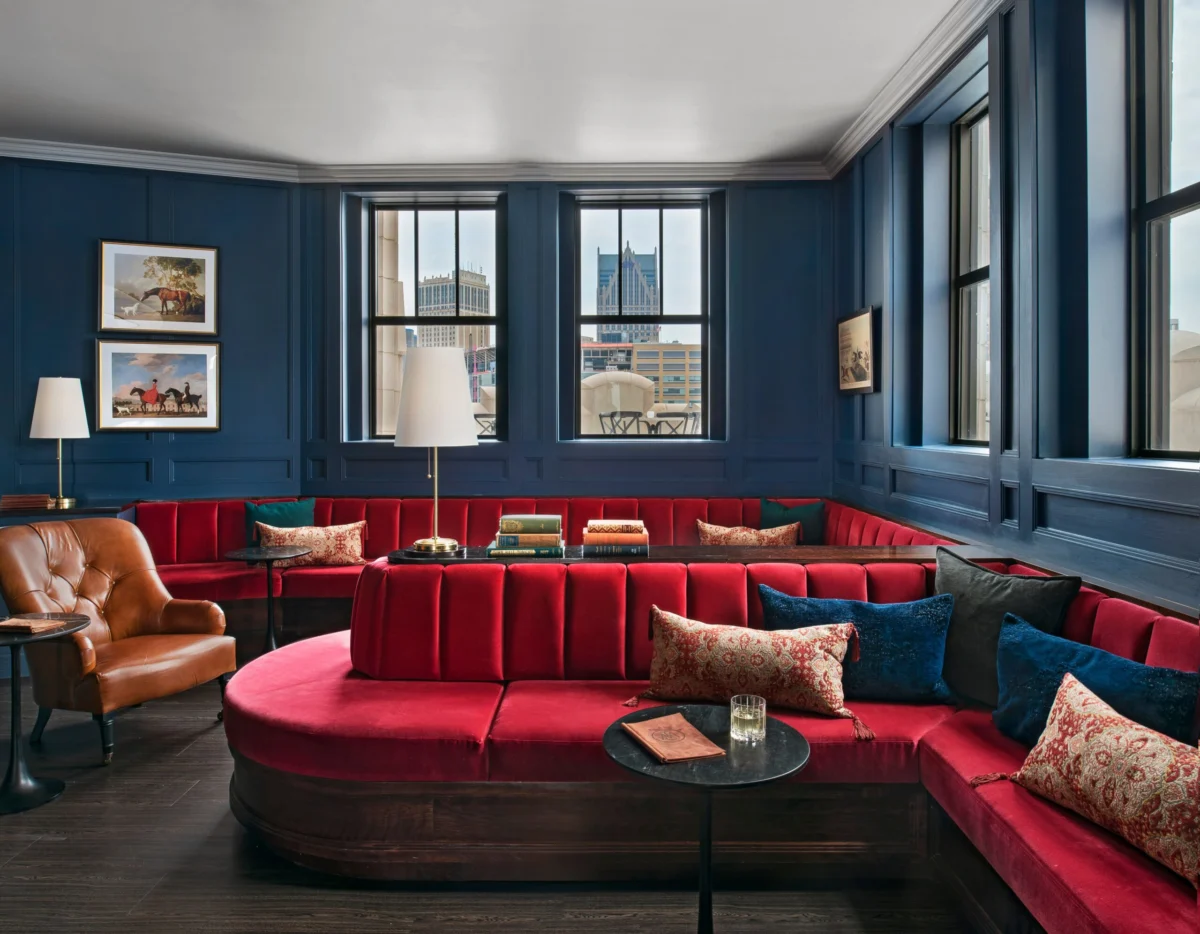
The architectural skyline of Detroit, once a somber silhouette of the Rust Belt’s industrial decline, has undergone a radical metamorphosis over the last twelve years, evolving from a symbol of municipal insolvency into a vibrant center for international tourism, design, and cultural innovation. In 2013, the city of Detroit filed for Chapter 9 bankruptcy, the largest municipal filing in United States history, facing an estimated $18 billion in debt. At that time, the urban core was characterized by vast tracts of vacant land and crumbling skyscrapers that had stood neglected for decades. Today, that same landscape is defined by high-occupancy luxury hotels, a thriving culinary scene, and a renewed sense of civic pride that has successfully recalibrated the city’s identity on the global stage.
The Chronology of Recovery: From Bankruptcy to Boom
The trajectory of Detroit’s recovery began in earnest following its exit from bankruptcy in late 2014. The restructuring of the city’s finances provided a stable foundation for public-private partnerships, which became the primary engine for redevelopment. Between 2014 and 2024, billions of dollars in private investment flowed into the downtown and Midtown districts, led by major stakeholders such as Bedrock—the real estate arm of Dan Gilbert’s Rock Ventures—and the Ford Motor Company.
The timeline of this revitalization is marked by several landmark projects. In the early 2010s, the city’s wide avenues were often described as desolate, with historic structures like the Wurlitzer Building and the Michigan Central Station facing the threat of demolition by neglect. However, by 2018, the narrative began to shift significantly with the opening of the Shinola Hotel and the Detroit Foundation Hotel, both of which repurposed historic civic architecture for high-end hospitality.
The culmination of this decade-long effort was perhaps most visible in June 2024, with the grand reopening of the Michigan Central Station. After sitting vacant for 36 years, the Beaux-Arts masterpiece was restored by Ford as part of a $950 million innovation campus. This event served as a symbolic bookend to the era of Detroit’s "ruin porn" fascination, replacing it with a narrative of functional, high-tech restoration.
Supporting Data: The Economic Impact of the Hospitality Sector
The transformation of Detroit is substantiated by robust economic indicators. According to data from the Detroit Metro Convention & Visitors Bureau (Visit Detroit), the region has seen a steady increase in tourism-related revenue. In 2023, the city welcomed millions of visitors, contributing significantly to the local economy through lodging, dining, and entertainment expenditures.
The hospitality sector, in particular, has seen unprecedented growth. In 2013, the downtown area had a limited inventory of boutique or luxury accommodations. By 2024, the inventory has expanded to include several award-winning properties:
- The Siren Hotel: Located in the restored 1926 Wurlitzer Building, this 106-room hotel serves as a prime example of adaptive reuse. Its glass-enclosed rooftop terrace offers panoramic views of a "rewritten" skyline, attracting a demographic of travelers interested in historic preservation and high design.
- The Shinola Hotel: A partnership between the luxury watch brand Shinola and Bedrock, this property transformed a formerly dilapidated block of Woodward Avenue into a premier retail and lodging destination.
- The Detroit Foundation Hotel: Situated in the former headquarters of the Detroit Fire Department, this hotel integrates local craftsmanship and industrial history, maintaining the original fire engine doors as part of its aesthetic.
- Roost and Element: These properties have targeted long-term travelers and those seeking modern, sustainable amenities, often occupying renovated historic skyscrapers like the David Whitney Building.
Occupancy rates in downtown Detroit have consistently outperformed national averages for recovering urban centers, with weekend rates frequently reaching capacity during major cultural events such as the Detroit Jazz Festival, Movement Electronic Music Festival, and the NFL Draft, the latter of which brought a record-breaking 775,000 visitors to the city in April 2024.
Strategic Urbanism: Moving Beyond the Motor City Label
While Detroit’s identity remains inextricably linked to the automotive industry, modern urban planning efforts have focused on reducing the city’s historic dependence on car travel within the downtown core. The city has invested in "walkable urbanism," a strategy that prioritizes pedestrian access, bike lanes, and public transit connectivity.
The downtown area is now characterized by its high walkability, allowing visitors to navigate between major cultural institutions, sports stadiums, and the riverfront without the necessity of a personal vehicle. This shift is supported by the QLine streetcar and the MoGo bike-share program, which connect downtown to the nearby neighborhoods of Midtown, Corktown, and Mexicantown. These districts have become hubs for independent restaurants and nightlife, further diversifying the tourist experience.
Institutional and Stakeholder Perspectives
The successful rebranding of Detroit is the result of a coordinated effort between municipal leaders, private developers, and community organizers. City officials have frequently emphasized that the revitalization must be "inclusive," ensuring that the benefits of the downtown boom extend to the city’s residential neighborhoods.
In statements regarding the city’s progress, urban planners have noted that the preservation of historic architecture has been a key differentiator for Detroit. Unlike other American cities that opted for "urban renewal" through demolition in the mid-20th century, Detroit’s period of economic stagnation inadvertently preserved a massive inventory of pre-war architecture. This inventory is now being leveraged as a unique asset that cannot be replicated in newer markets.
"The architecture of Detroit is our greatest competitive advantage," noted one local development analyst. "Travelers are no longer looking for cookie-cutter experiences; they want the authenticity of a city that has survived, evolved, and maintained its soul."
Pet-Friendly Initiatives and Service Standards
As the hospitality market has matured, Detroit hotels have adopted sophisticated service models to compete with established markets like Chicago or New York. A notable trend is the widespread adoption of pet-friendly policies. Properties such as the Shinola Hotel and The Siren have integrated high-end pet amenities, recognizing that the modern traveler often travels with animals. This shift in service standards reflects a broader transition from basic lodging to lifestyle-oriented hospitality, where the needs of a diverse range of travelers—from international business executives to domestic "staycationers"—are met with precision.
Broader Implications and Future Outlook
The resurgence of Detroit carries significant implications for other post-industrial cities across the United States. It serves as a case study in how a combination of strategic bankruptcy, concentrated private investment, and a focus on historic preservation can reverse decades of systemic decline.
However, challenges remain. The "two Detroits" narrative—one of a gleaming, prosperous downtown and another of struggling outlying neighborhoods—remains a point of critical analysis. For the city’s renaissance to be sustainable, the economic vitality of the core must continue to permeate the surrounding 139 square miles of the city.
The future outlook for Detroit is cautiously optimistic. Major projects currently under development, such as the Hudson’s Site (which will feature the city’s second-tallest building) and the continued expansion of the District Detroit, suggest that the investment cycle is far from over. As the city prepares for future international events and continues to attract creative talent from across the globe, the question of "Why would anyone vacation in Detroit?" has been replaced by a new consensus: Detroit is no longer a city in recovery; it is a destination in its own right.
The transformation of the Wurlitzer Building from a crumbling shell into The Siren Hotel, or the Michigan Central Station from a cavernous ruin into a tech hub, are not merely real estate success stories. They are markers of a broader cultural shift. Detroit has successfully transitioned from a cautionary tale of American industry to a blueprint for urban resilience, proving that even the most distressed cities can rewrite their future through a dedicated commitment to their heritage and an unwavering focus on innovation.

0 Comments