
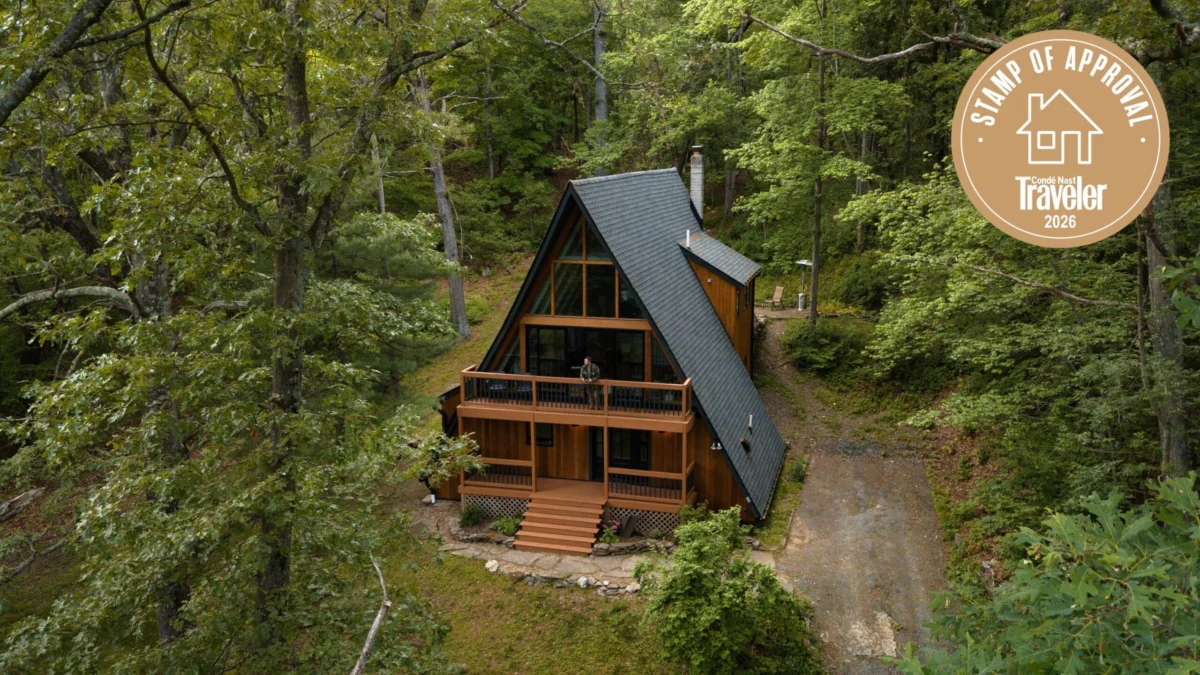
The Hudson Valley’s short-term rental market has undergone a significant transformation over the last decade, evolving from a collection of modest weekend cottages into a sophisticated ecosystem of high-end, architecturally significant retreats. This shift is exemplified by the resurgence of interest in Pine Plains, a town situated at the intersection of Dutchess and Columbia counties, where properties like "The Upstate A" are setting new standards for the "restorative travel" sector. As urban density in New York City reaches record highs and summer humidity levels drive residents toward rural escapes, the demand for nature-immersive accommodations has created a robust economic corridor just two hours north of Manhattan.
The Evolution of the Hudson Valley Rental Market
Historically, the Hudson Valley served as a summer playground for New York’s elite during the Gilded Age, but the modern era has democratized access to the region through platforms like Airbnb and Vrbo. Pine Plains, long considered a quieter alternative to the bustling streets of Hudson or the high-profile boutiques of Rhinebeck, has recently emerged as a primary destination for travelers seeking a balance between rustic isolation and modern luxury.
The primary driver of this trend is the "nature-immersion" movement, where guests prioritize properties that offer direct access to forest land, hiking trails, and agricultural experiences. Data from regional tourism boards indicates that since 2021, there has been a 35% increase in searches for "secluded" and "architectural" stays within a 120-mile radius of New York City. The Upstate A, a 1968 A-frame cabin that underwent a comprehensive renovation in 2021, stands as a case study for this market shift. By retaining its mid-century silhouette while integrating high-tech amenities and floor-to-ceiling glass facades, the property appeals to a demographic that values both nostalgia and contemporary comfort.
Architectural Case Study: The Upstate A
The architectural significance of the A-frame in American leisure culture cannot be overstated. Originally popularized in the 1950s and 60s as affordable vacation homes, these triangular structures have become iconic symbols of the "back-to-the-land" movement. The Pine Plains property demonstrates how legacy structures are being repurposed for the modern luxury market.
Built in 1968, the cabin sits on a quiet acre of land backed by extensive woodlands. Its 2021 redesign optimized the interior for group stays, featuring a three-bedroom layout on the first floor to maximize common space in the upper loft. The design philosophy emphasizes transparency; the front facade is almost entirely glass, offering views of the surrounding canopy and allowing for passive solar heating. Inside, the integration of teal-tiled bathrooms, eucalyptus-scented amenities, and spiral staircases reflects a move toward "biophilic design"—an approach that seeks to connect occupants more closely to nature through architectural choices.
Market analysts note that properties offering more than two bedrooms are currently outperforming smaller units in the Hudson Valley. While a three-bedroom cabin may exceed the needs of a couple, the "space premium" remains a significant draw for New York City residents accustomed to compact urban living. This desire for "room to spread out" has driven nightly rates for premium cabins in the Pine Plains area to fluctuate between $400 and $900 depending on the season.

Chronology of the Modern Hudson Valley Excursion
The typical consumer journey for a Hudson Valley retreat has become increasingly streamlined, facilitated by regional infrastructure improvements. The two-hour drive from Manhattan is the standard route, though the Rhinecliff-Kingston Amtrak station serves as a vital artery for those without personal vehicles. This connectivity has allowed Pine Plains to capture a segment of the "car-free" luxury market that was previously limited to closer towns like Cold Spring or Beacon.
Upon arrival, the visitor experience is characterized by a "hyper-local" itinerary. The chronology of a standard weekend stay often begins with a transition through the agricultural landscapes of Dutchess County, followed by a visit to local provisioning hubs. Chaseholm Farm, a multi-generational dairy operation in Pine Plains, represents the critical synergy between local agriculture and the tourism economy. The farm’s store, which stocks products ranging from grass-fed meats to Saugerties-made Alleyway Ice Cream, serves as an essential stop for visitors looking to "consume" the local landscape.
Economic Drivers: Gastronomy and Historical Preservation
The revitalization of Pine Plains is inextricably linked to its culinary scene, headlined by the Stissing House. As one of the oldest taverns in the United States—with roots dating back to 1782—the restaurant has been reimagined as a high-end dining destination. Under the leadership of acclaimed chefs, the Stissing House has garnered national attention, drawing visitors who might otherwise have bypassed Pine Plains for more established culinary hubs.
The presence of such "anchor institutions" is vital for the short-term rental market. Data suggests that for every dollar spent on lodging in the Hudson Valley, an additional $2.50 is spent in the local economy on dining, retail, and recreation. The Stissing House, with its white colonial architecture and fireside lounges, provides the "buzzy" social atmosphere that balances the solitude of a cabin stay. Similarly, the Oakhurst Diner offers a more traditional, "old-school" joint experience, catering to a diverse range of price points and preferences.
Recreational Infrastructure: Stissing Mountain and Land Conservation
The environmental appeal of Pine Plains is centered on Stissing Mountain and its historic fire tower. The mountain is part of a larger network of protected lands that provide the "scenic capital" necessary for the tourism industry. The hike to the summit is a steep, uphill trail that leads to a 90-foot fire tower originally built in the 1930s. From the top, hikers can view crystal lakes and hills spanning three states, offering a stark contrast to the dense skyline of Brooklyn or Manhattan.
This recreational infrastructure is maintained through a combination of state funding and private conservation efforts. Organizations like the Dutchess Land Conservancy play a pivotal role in ensuring that the "rolling hills" and "endless woods" described in rental listings remain undeveloped. For the short-term rental market, these views are not just aesthetic assets; they are economic ones. The "lack of a view" in developing urban neighborhoods like Williamsburg has been cited as a primary motivator for residents to seek temporary relocation to the Hudson Valley.
Analysis of the Regional Rental Ecosystem
The Upstate A is not an isolated success story but part of a broader portfolio strategy employed by modern hosts. The hosts of the Pine Plains A-frame have expanded their footprint to nearby Red Hook, developing properties such as "the blue cabin" and "the green cabin." These properties, often situated along babbling creeks and featuring high-end amenities, are designed to accommodate larger groups or corporate retreats, further diversifying the local hospitality offerings.

Other notable properties in the Pine Plains vicinity include:
- The Stissing Mountain Cottage: A voluminous, barn-style retreat that caters to the weekend polo scene and larger families.
- The Private Island Retreat: An "iconic" stay on Twin Island Lake accessible only by canoe, illustrating the market’s appetite for unique, experiential lodging.
- 1763 Farmhouse: A redesigned Colonial farmhouse that leverages historical charm to attract guests interested in the region’s heritage.
This variety suggests a mature market that is segmented by both architectural style and intended guest experience.
Broader Implications and Future Outlook
The continued growth of the short-term rental market in the Hudson Valley carries both opportunities and challenges for local municipalities. On the positive side, the influx of high-spending visitors has revitalized main streets and supported local farms. Occupancy taxes generated by these rentals provide essential revenue for town services and infrastructure.
However, the "Brooklynization" of rural towns has also led to concerns regarding housing affordability for permanent residents. As more homes are converted into short-term rentals, the supply of long-term housing can tighten, driving up prices. In response, some towns in the Hudson Valley have begun implementing stricter zoning laws and permit requirements for short-term rentals to maintain a balance between the tourism economy and community stability.
As the Hudson Valley prepares for future summer seasons, the trend toward curated, restorative retreats shows no signs of slowing. The success of properties like The Upstate A indicates that the modern traveler is looking for more than just a place to sleep; they are looking for a "grounded" experience that offers a temporary reprieve from the "toxic love" of city life. The future of Pine Plains and its neighbors will likely depend on their ability to preserve the very nature and stillness that have made them so desirable in the first place.

0 Comments