
The culinary landscape is undergoing a significant transformation, with an increasing number of restaurants extending their vibrant offerings beyond traditional dinner service. While the majority of restaurant scouting and critical acclaim have historically focused on evening establishments, a growing wave of eateries is embracing daytime hours, including breakfast, lunch, and extended happy hour periods, to capture diners’ attention. This shift reflects a broader trend in consumer behavior and a strategic pivot by restaurateurs to maximize operational efficiency and appeal to a wider demographic.
Historically, the peak hours for restaurant operations and critical review have been in the evening. This has meant that many highly anticipated establishments, including those featured on prestigious lists like Bon Appétit’s "Best New Restaurants," primarily operate for dinner service. However, this paradigm is evolving. A select few establishments, such as Agnes and Sherman in Houston and The Wayland Mill in Seattle, have always offered daily daytime hours, serving as early adopters of this broader service model. Similarly, others like Broken Spanish Comedor in Los Angeles have found success with weekend brunch and lunch services. These pioneering venues, while notable, have represented exceptions rather than the norm within the broader restaurant industry’s scouting and evaluation processes.
The impetus behind this burgeoning trend is multifaceted. Restaurateurs are recognizing the untapped potential of daytime dining, moving beyond simply offering quick bites to curating distinct culinary experiences. This is not an entirely new phenomenon; previous years have seen a focus on innovative breakfast and brunch menus, indicating a growing interest in capitalizing on the morning and midday meal occasions. However, the current iteration of daytime service demonstrates a heightened level of intentionality and creativity. Hospitality professionals are no longer treating lunch, happy hour, or even the late-afternoon slump as secondary service periods. Instead, they are investing in them with the same rigor and innovation applied to dinner, creating compelling reasons for patrons to visit at any time of day.
This evolution is evident in the diverse offerings emerging across the country. In Nashville, Babychan, a Japanese-inspired café and bakery, is drawing patrons not only for its savory sandos and curries but also for its exquisite pastries, such as a black sesame Swiss roll. This establishment exemplifies the fusion of traditional comfort food with elevated baked goods, appealing to a broad range of tastes. In Los Angeles, Chainsaw, a vibrant eatery in a distinctive purple-and-yellow interior, showcases Venezuelan chef Karla Subero Pittol’s culinary prowess. Chef Pittol offers a dynamic menu that spans from flavorful arepas to an array of tropical-infused desserts, demonstrating a commitment to showcasing authentic regional flavors within a contemporary setting. Philadelphia’s La Jefa Café, having risen from the ashes of a tragic fire, is now serving Guadalajara-inspired pastries, expertly crafted cocktails, and other culinary delights, symbolizing resilience and a dedication to heritage cuisine. These examples, while not exhaustive, highlight a significant movement towards creating daytime dining destinations that are as satisfying and exciting as their evening counterparts. The following establishments are at the forefront of this culinary shift, proving that breakfast, lunch, and happy hour can be just as nourishing and thrilling as dinner.
Babychan: A Japanese Culinary Haven in Nashville
Nashville’s burgeoning culinary scene welcomes Babychan, an all-day café and bakery that brings a unique Japanese-inspired experience to the Germantown neighborhood. Hailing from the same team behind Kisser, a celebrated "Best New Restaurant of 2024," Babychan is already making a significant impact. Owners Brian Lea and Leina Horii have masterfully curated a menu that balances comforting Japanese staples with innovative creations.
During the day, patrons can indulge in a full sit-down lunch featuring dishes like kabocha salad with a yuzu honey vinaigrette, hearty chicken katsu or egg salad sandwiches (sandos), and classic curry rice or unagi bowls. These offerings are a testament to their expertise in Japanese comfort food. However, Babychan also shines a spotlight on less common dishes through rotating specials. A notable example is doria, a Japanese take on gratin. This dish, often featuring seafood, is prepared with short-grain rice, crispy panko, Gruyère cheese, and a seaweed garnish, all enveloped in a dashi-spiked béchamel sauce. This sophisticated preparation elevates a familiar concept into something uniquely Japanese.
Beyond the sit-down experience, Babychan also caters to those on the go. The café’s takeout window offers an array of delectable pastries and specialty beverages. The Okinawan latte, made with Japanese brown sugar and a blend of spices, is a particular highlight, providing a warm and aromatic start to the day. Similar to Kisser, Babychan’s magic is intrinsically tied to its daytime operations, with a closing time of 3 PM, reinforcing its identity as a dedicated daytime establishment. This focus allows the team to concentrate on delivering exceptional quality and a distinct atmosphere during their operating hours.
Chainsaw: A Vibrant Venezuelan Culinary Fiesta in Los Angeles
Chainsaw, a vibrant café in Los Angeles’s Melrose Hill, has its roots in the intimate and lively atmosphere of Venezuelan chef Karla Subero Pittol’s garage dinner-party series, which began in 2020. The immense popularity and buzz generated by this pop-up have culminated in its successful transition to a brick-and-mortar establishment. This original spirit of festivity and community continues to infuse the new space, creating an environment that is as colorful and inviting as the food itself.
The interior of Chainsaw is a visual delight, featuring a plastered wall painted in a warm, sunset-like gradient of yellow melting into pink. The front counter is adorned with overflowing bowls of citrus and avocados, adding a fresh, natural element. Seating arrangements are intentionally eclectic, with mismatched chairs and crates serving as makeshift dining areas, further contributing to the casual yet vibrant ambiance.
The menu at Chainsaw artfully navigates the space between a café and a full-service restaurant, offering a nearly equal balance of caffeinated beverages and savory dishes. Central to the menu are the arepas, a Venezuelan staple, prepared with a tight selection of incredible fillings. These can include succulent stewed beef, rich cheeses, and flavorful beans, showcasing the depth and authenticity of Chef Pittol’s culinary heritage. Beyond arepas, guests can also enjoy larger plates such as pork milanesa and even a whole fried fish, demonstrating a broader range of Venezuelan cuisine.
Desserts at Chainsaw are equally compelling, with a few standout options that offer a bright and memorable conclusion to the meal. The passionfruit-lime icebox pie is particularly renowned, offering a puckeringly tart and refreshing flavor profile that encourages diners to linger, perhaps with another coffee, and fully savor the Chainsaw experience. This dedication to creating a memorable and engaging dining environment, from the décor to the diverse menu, positions Chainsaw as a standout destination for daytime dining in Los Angeles.
Javelina: Pioneering Indigenous Cuisine in Portland
In early 2025, Portland, Oregon, welcomed Javelina, a groundbreaking restaurant that proudly stands as the city’s first Indigenous establishment. Led by Chef Alexa Numkena-Anderson, Javelina is dedicated to exploring and celebrating Native American culinary techniques and foodways. The restaurant’s mission is to harmoniously blend indigenous cooking methods with ingredients native to North America, offering a unique and educational dining experience.
A central element of Javelina’s daytime menu is the reclamation of fry bread. This dish carries a complex history for Indigenous communities, often associated with the forced adaptation to U.S. government rations during periods of displacement. At Javelina, fry bread is transformed into a versatile canvas for contemporary flavors. During lunch, it serves as the foundation for seared elk or bison chili tacos, offering a savory and substantial bite. It also acts as the bun for an elevated, all-American-style cheeseburger, demonstrating its adaptability.
As evening approaches, Javelina presents two distinct dining adventures. The à la carte dinner menu offers a curated selection of dishes, while the "Inisha Table" provides a tasting menu experience that deeply centers on proteins indigenous to Turtle Island. This includes a rich array of meats and fish such as bison, duck, goose, rabbit, and tribal-caught fish. These proteins are thoughtfully paired with heirloom corns, beans, and other traditional accompaniments, offering a comprehensive exploration of indigenous gastronomy.
The ambition evident at Javelina is remarkable. By establishing itself as the city’s first Indigenous restaurant, it not only fills a significant void in Portland’s culinary landscape but also sets a precedent for future establishments. Chef Numkena-Anderson’s commitment to honoring heritage while innovating ensures that Javelina is more than just a restaurant; it is a vital cultural and culinary institution. The success of Javelina signals a growing appreciation for diverse culinary traditions and a demand for authentic, historically significant dining experiences.
La Jefa: Resilience and Heritage in Philadelphia’s Culinary Scene
Philadelphia’s culinary history is marked by the enduring legacy of Tequilas’s Casa Mexicana, the city’s first fine-dining Mexican restaurant, which opened in the 1980s. However, in 2023, the beloved establishment suffered a devastating fire, forcing a two-year closure that was keenly felt by the community. Despite this tragic setback, the Suros family, comprising father David and son Dan, demonstrated remarkable resilience. They not only rebuilt the space but also reimagined it, giving rise to La Jefa, a vibrant café, mezcal bar, and restaurant.
La Jefa, named in homage to the Suros family matriarch, Annette Cipolloni, is a passionate celebration of the foodways of Guadalajara, the elder Suro’s ancestral home before immigrating to Philadelphia. The establishment masterfully blends heritage with innovation, creating a dining experience that is both deeply rooted and forward-thinking.
During the daytime, La Jefa offers a delightful array of Mexican-style pastries. Patrons can savor various conchas, fragrant morning buns, and savory danishes, providing a sweet and satisfying start to the day. Complementing these baked goods is a selection of larger, seasonally driven lunch and brunch fare. The beverage program also pays homage to heritage flavors, with house-made coffees, teas, and other drinks infused with agave, corn, and jamaica (hibiscus).
As the afternoon transitions into evening, the ambiance within the chic, moody space shifts. The focus moves to tightly crafted mezcal cocktails, served alongside an enticing selection of bar bites such as chicharron tetelas and nopales. This duality in service allows La Jefa to cater to a diverse range of preferences throughout the day. The emergence of La Jefa from the ashes of the fire is a powerful testament to the Suros family’s unwavering vision and their ability to meld tradition with contemporary culinary artistry. It stands as a beacon of resilience and a vibrant addition to Philadelphia’s dynamic food scene.
Milli by Metric: An All-Day Oasis in Chicago
In the heart of Chicago, Milli by Metric emerges as an idyllic all-day café, a destination that embodies the perfect neighborhood gathering spot. From its artfully designed logo and warm, woodsy interiors to its inviting sage-green banquettes and distinctive wavy orange wall treatments, Milli evokes a sense of nostalgic charm updated with a contemporary aesthetic. The expansive layout, divided into three distinct areas, encourages patrons to linger, whether for a quick coffee or an extended work session.
Catering to both coffee connoisseurs and tea aficionados, Milli boasts an extensive and rotating selection of beverages. The true artistry, however, lies in the pastry program, expertly captained by Head Baker Lou Turner. Turner is renowned for crafting masterful laminated creations, infused with imaginative flavor combinations that span the sweet and savory spectrum. Dishes featuring ingredients like pickled green strawberries, fresh peas, and whipped labneh with Banyul vinegar glaze showcase a whimsical approach to Viennoiserie, appealing to a sophisticated palate.
As the day progresses and laptops are closed, Milli gracefully transitions into its "apéro" mode. The lively coffee drinks are thoughtfully replaced by a curated selection of cool-kid natural wines, available by the glass or bottle. This seamless shift in atmosphere and offerings underscores Milli’s versatility, making it a coveted destination for any time of day. The café’s commitment to both culinary excellence and a welcoming ambiance solidifies its status as a must-visit spot in Chicago.
Vato: Northern Mexican Flavors and Artisanal Tortillas in Brooklyn
Park Slope, Brooklyn, is now home to Vato, an exciting new establishment that is revolutionizing the burrito experience with its focus on Northern Mexican cuisine. At the heart of Vato’s success are its exceptional, house-made flour tortillas. These warm, pliable canvases are the perfect vessels for a variety of expertly crafted fillings, ranging from rich burnt ends and cheese to succulent pollo en mole and flavorful mushroom chorizo.
Beyond its signature burritos, Vato also excels in its sweet offerings, which are equally compelling. The yuzu conchas, a delicate pastry with a crackly shell and a pillowy crumb, are infused with a bright, puckering yuzu curd, offering a delightful contrast to traditional flavors. Guava donuts shimmer behind a glass display, tempting patrons with their tropical sweetness. The generously frosted cinnamon roll has also garnered a devoted following, becoming a celebrated item in its own right.
Owned by Chef Fidel Caballero, the mastermind behind the Michelin-starred Corima, Vato embodies the essence of a beloved neighborhood spot that quickly becomes an integral part of its community’s routine. The establishment’s casual yet refined approach to Northern Mexican cuisine, combined with its warm atmosphere, makes it an ideal destination for a quick lunch or a relaxed afternoon treat. For those seeking an al fresco experience, a pro-tip suggests grabbing a take-out order and enjoying a picnic in the nearby Prospect Park, further enhancing the appeal of this charming Brooklyn eatery.
Wilde’s: A Bold British Culinary Statement in Los Angeles
In the sun-drenched landscape of Los Angeles, Wilde’s has emerged as a bold and charming culinary destination, proving that British cuisine can thrive even in the perpetually warm climate. Co-owned by best friends Natasha Price (executive chef) and Tatiana Ettensberger (wine director), Wilde’s has captivated the city with its authentic approach and effortlessly cool ambiance.
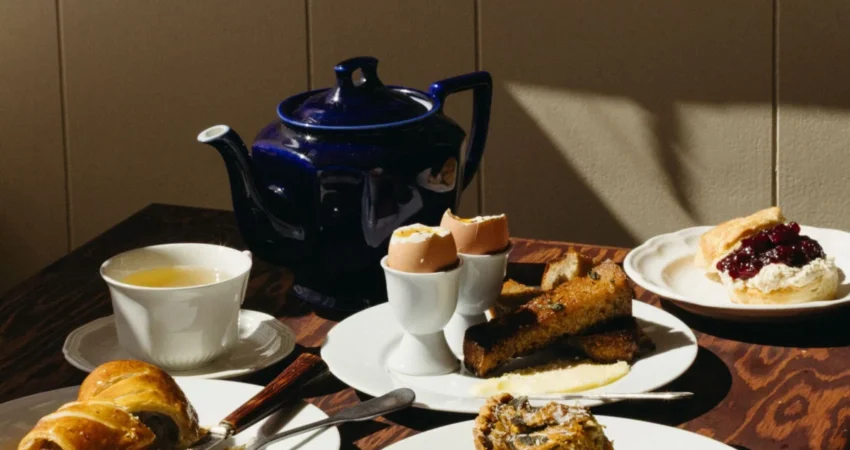
During the day, Wilde’s offers a relaxed and breezy atmosphere, perfect for enjoying the California sunshine. Patrons can be found sipping coffees, indulging in pastries, and exploring a breakfast-leaning menu. Highlights include lofty scones served with clotted cream and seasonal jam, flaky sausage rolls generously filled with premium Peads & Barnetts pork, and the comforting classic of egg soldiers accompanied by streaky bacon. This daytime menu provides a delightful introduction to British comfort food in a light and airy setting.
As the sun sets, the restaurant undergoes a captivating transformation. The ambiance becomes moodier and more intimate, with tables bathed in candlelight and the air filled with the clinking of pint glasses of Guinness and glasses of natural wine. The evening menu shifts to a more robust offering, heavily influenced by seasonal produce. While some dishes rotate, mainstays like the crisp and light battered skate and rich meat pies (best shared among at least four people) remain. Bangers and mash also feature, offering a hearty and satisfying conclusion to the meal.
What makes Wilde’s particularly successful is its unwavering commitment to its identity. The restaurant does not treat British food as a novelty but rather embraces it with authenticity and confidence. This genuine approach, combined with its effortlessly cool vibe and complete lack of gimmickry, has cemented Wilde’s as a standout establishment that honors its culinary heritage while remaining perfectly in tune with the sophisticated tastes of Los Angeles.

0 Comments