
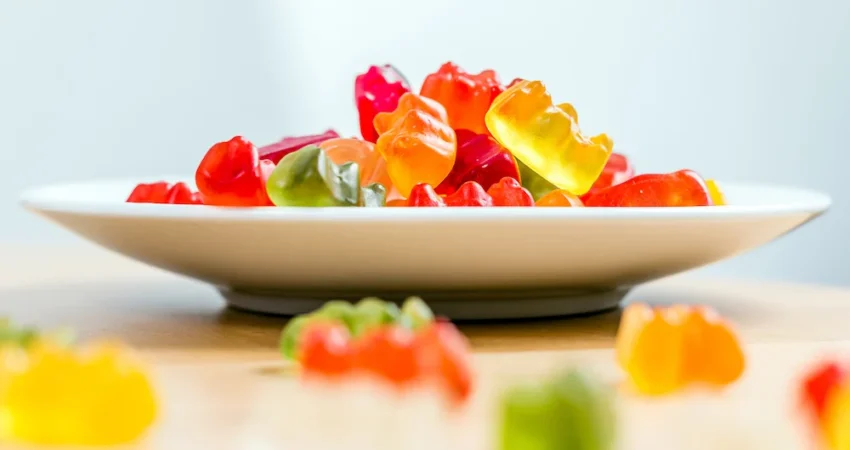
The landscape of modern parenting has become increasingly defined by digital archetypes, with social media platforms like TikTok serving as the primary incubator for new terminology. Following the viral proliferation of "crunchy," "silky," and "almond" parenting styles, a new designation has emerged: the "gummy bear mom." While the name suggests a diet centered on confectionery, the movement represents a broader sociological shift toward food neutrality and the rejection of restrictive eating patterns that characterized previous generations.
Defining the Gummy Bear Mom Archetype
The term "gummy bear mom" serves as a direct cultural counterpoint to the "almond mom." To understand the former, one must examine the latter. The "almond mom" archetype gained notoriety through a resurfaced clip from the reality television show The Real Housewives of Beverly Hills, in which Yolanda Hadid advised her daughter, model Gigi Hadid, to eat "a couple of almonds" and "chew them really well" after the teenager reported feeling weak from lack of food. This moment became a touchstone for Gen Z and Millennial parents who grew up under the influence of 1990s and early 2000s diet culture, which often prioritized thinness and caloric restriction.
In contrast, the gummy bear mom prioritizes a well-stocked pantry and a relaxed attitude toward processed snacks. This style is characterized by the presence of "fun foods"—such as Goldfish crackers, Oreos, and gummy bears—alongside traditional staples. The philosophy posits that by removing the "forbidden fruit" allure of sugary or salty snacks, children are less likely to develop binge-eating tendencies or obsessive thoughts regarding food.
The Evolution of Social Media Parenting Labels
The emergence of the gummy bear mom is the latest entry in a decade-long chronology of parenting subcultures. These labels often serve as shorthand for complex sets of values and behaviors:
- Crunchy Parenting: Rooted in "natural" living, this style typically involves organic diets, home births, cloth diapering, and an aversion to processed goods.
- Silky Parenting: The antithesis of crunchy, prioritizing modern convenience, medical intervention (such as epidurals), and science-based solutions like formula feeding or plastic diapers.
- Scrunchy Parenting: A hybrid approach that adopts some natural practices while remaining open to modern conveniences.
- Almond Parenting: A derogatory term for parents who project their own body image insecurities and restrictive eating habits onto their children.
The gummy bear mom trend began to gain significant traction in 2024, largely credited to TikTok creator Justyna McGuire, known as "Jersey Justyna." McGuire’s content highlighted a lifestyle of abundant grocery hauls and a "pantry-positive" environment. By 2025, the term had been documented by major parenting outlets and even included in Dictionary.com’s slang database, which defines it as a caregiver who maintains a "relaxed, balanced approach" to their children’s nutrition.
Psychological Foundations and Food Neutrality
Beneath the playful nomenclature lies a serious pedagogical approach known as "food neutrality." This concept, often championed by pediatric dietitians and psychologists, suggests that assigning moral value to food—labeling carrots as "good" and cookies as "bad"—can inadvertently create a dysfunctional relationship with eating.
Psychologist Pamela Rutledge and other mental health experts suggest that when parents use dessert as a reward for eating vegetables, they reinforce the idea that vegetables are a chore and sugar is a prize. The gummy bear mom approach attempts to level the playing field. In this model, a child might be served a small portion of dessert alongside their dinner rather than after it.
Data from the National Eating Disorders Association (NEDA) suggests that children whose parents frequently comment on their weight or restrict food intake are at a significantly higher risk for developing disordered eating habits later in life. By adopting a "gummy bear" philosophy, many parents are consciously attempting to break these generational cycles of body dissatisfaction and food-related anxiety.
The Role of Structure: Permissive vs. Authoritative Feeding
A common critique of the gummy bear mom trend is the potential for nutritional neglect. However, experts distinguish between "permissive feeding" and the "Division of Responsibility" (sDOR), a model developed by dietitian Ellyn Satter.

In a structured gummy bear household, the parent remains the "Chief Nutrition Officer," responsible for:
- What food is served.
- When the food is served.
- Where the food is served.
The child, in turn, is responsible for deciding whether to eat and how much to eat. This framework allows for the inclusion of gummy bears and chips without ceding total control of the family’s health to a toddler’s whims. The goal is to foster "intuitive eating," where children learn to listen to their internal hunger and fullness cues rather than external rules.
Market Trends and the "Costco Culture"
The rise of the gummy bear mom also reflects shifts in consumer behavior. The aesthetic of the "overstocked pantry" has become a status symbol on social platforms. Influencers often showcase organized, transparent bins filled with colorful snacks, turning the act of grocery shopping at bulk retailers like Costco into a performative display of "providing."
This trend intersects with economic factors. For many middle-class families, the ability to provide an abundance of snacks is a marker of stability. The "gummy bear mom" is often depicted as the "cool house" on the block—the one where neighborhood children congregate because the snacks are accessible and the atmosphere is devoid of nutritional judgment.
Expert Reactions and Clinical Perspectives
While many experts applaud the move away from restrictive "almond mom" culture, they urge a balanced perspective. "It is about the middle ground," notes Dr. Pamela Rutledge in a recent analysis. "Removing shame is vital, but children still require boundaries to learn self-regulation."
Pediatricians point out that the human brain’s impulse control center, the prefrontal cortex, is not fully developed until the mid-twenties. Therefore, a purely "gummy bear" approach without parental guidance on nutrition could lead to health complications such as childhood obesity or dental issues. The consensus among the medical community is that the trend is most effective when the "gummy bears" are a component of a diet that also emphasizes proteins, healthy fats, and fiber.
Broader Impact and Implications for Gen Alpha
As Gen Alpha (children born between 2010 and 2024) grows up under these varying parenting archetypes, researchers are keen to observe the long-term effects. If the gummy bear mom movement succeeds, it could result in a generation with lower rates of "food noise"—the intrusive, obsessive thoughts about food that often plague those raised in restrictive environments.
Furthermore, this trend highlights a growing demand for transparency and authenticity in parenting. By embracing the "gummy bear" label, parents are rejecting the pressure to present a "perfect," sugar-free lifestyle. They are instead opting for a model that acknowledges the reality of modern food systems while prioritizing their children’s mental and emotional well-being.
Conclusion: The Future of the Trend
The gummy bear mom trend is more than a viral hashtag; it is a manifestation of a cultural pendulum swinging away from the hyper-controlled "wellness" obsession of the early 21st century. It represents a move toward "gentle parenting" applied to the dinner table.
As the discourse continues, the challenge for parents remains the integration of flexibility with health. Whether the term "gummy bear mom" persists or is replaced by a new snack-themed moniker, the underlying shift toward food neutrality appears to be a permanent fixture in the evolving philosophy of child-rearing. The ultimate goal, as expressed by many proponents of the style, is not to raise a child who only eats candy, but to raise a child who can eat a piece of candy without feeling like they have failed a moral test.

0 Comments