
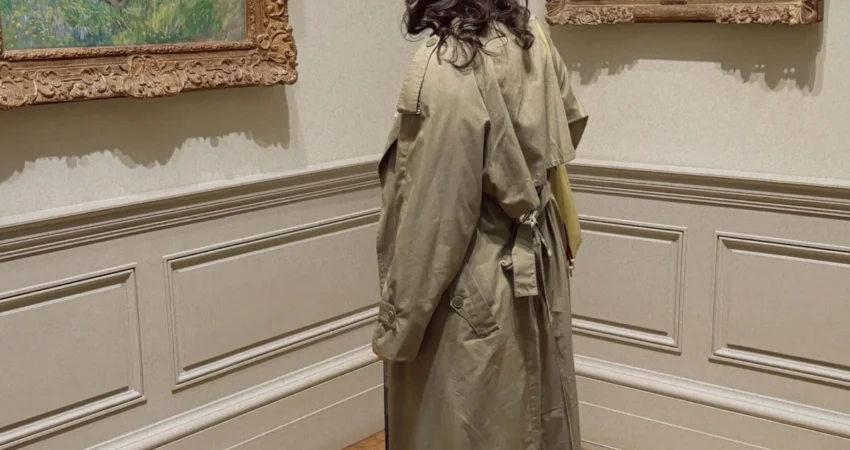
For decades, the standard marketing playbook for global brands has been centered on the pursuit of cultural relevance through immersion and appropriation. Corporations have historically sought to embed themselves within the zeitgeist by creating branded content, sponsoring viral influencers, and aligning with fleeting internet trends. However, as modern audiences—particularly Gen Z and Millennials—grow increasingly weary of overt commercial machinery and sales-driven narratives, a fundamental shift is occurring in how brands interact with the arts. Rather than attempting to manufacture culture themselves, a new generation of "patron brands" is emerging, focusing on funding the underlying conditions that allow independent creativity to flourish without the immediate demand for transactional returns.
The Historical Precedent of Commercial Patronage
The concept of brands acting as the financial backbone of culture is not entirely new, though the motivations and methods have evolved. In the early 20th century, some of the world’s most enduring cultural institutions were born from commercial necessity. In 1900, the Michelin tire company launched the Michelin Guide, not as a culinary authority, but as a way to encourage French motorists to travel further, thereby wearing out their tires and increasing sales. Similarly, the Tour de France was established in 1903 by the newspaper L’Auto (now L’Équipe) to boost its circulation.
By the 1930s, Procter & Gamble began sponsoring serialized daytime radio dramas like Ma Perkins. These programs were so inextricably linked to the household cleaning products they advertised that the genre was permanently dubbed the "soap opera." In the United States, the Grand Ole Opry, a cornerstone of country music, began as a radio program sponsored by the National Life and Accident Insurance Company. These examples demonstrate a long-standing history of the commercial world providing the capital necessary for the artistic world to reach a mass audience.

Historically, this role was often filled by wealthy industrialist families—the Gettys, the Hammers, and the Medicis before them—who established museums and funded masters like Michelangelo to bolster their social standing and provide a public benefit. Today, that mantle is being picked up by corporate entities that recognize that a healthy cultural ecosystem is a prerequisite for a healthy consumer market.
The Substack Model: Sponsorship as the "Wind at Your Back"
The modern evolution of patronage is perhaps most visible in the digital publishing space. Substack, a platform built on the subscription economy, is currently pioneering a sponsorship model designed to bypass the intrusive advertising playbooks utilized by platforms like Instagram and TikTok. Unlike traditional digital ads that interrupt the user experience, Substack’s model directs sponsorship funds from major brands—including Balenciaga, Ralph Lauren, Uber, T-Mobile, and Yahoo—directly to select creators.
Dan Robbins, Substack’s head of partnerships, describes the distinction as a shift in momentum. While a traditional advertisement "grabs you by the collar," a patronage-style sponsorship acts as the "wind at your back." This approach allows publishers to pursue ambitious, long-form work that might otherwise be unfeasible in an ad-supported environment that prioritizes click-through rates and high-frequency posting. For brands, the value lies in building long-term authority and trust within niche, highly engaged communities, rather than chasing broad, shallow reach.
Case Study: Nothing and the Pursuit of Gen Z Loyalty
In the technology sector, the UK-based consumer electronics company Nothing is positioning itself as a primary patron of grassroots creativity. Charlie Smith, Nothing’s chief brand officer, has stated that the company’s ambition is to become the most beloved tech brand for Gen Z. To achieve this, Nothing is moving away from "contracted deliverables" and toward a model of genuine participation.

In early 2024, Nothing launched the "Club Nothing Fund," an initiative providing $10,000 grants to music collectives to support independent events. The criteria for these grants—innovative creativity, "rebellious sound," and community values—reflect a desire to support club culture at a time when rising rents and venue closures are threatening the industry.
The brand’s engagement also extends to education and professional access. During the launch of its Phone (2a) series at Central Saint Martins in London, Nothing invited 300 students to interact with its industrial designers. By providing platform visibility and professional pipelines, Nothing aims to prove its commitment to the creative community is more than a marketing veneer.
High Fashion and the Institutional Arts
While tech brands focus on grassroots movements, the luxury sector continues to solidify its role as a primary supporter of high-culture institutions. This relationship is characterized by longevity rather than campaign-based bursts. Rolex has maintained an 18-year partnership with the Royal Ballet and Opera, recently ascending to the status of principal partner. Chanel has similarly embedded itself within the performing arts, serving as a partner for Lincoln Center’s BAAND Together Dance Festival for six years and becoming a major patron of the Paris Opera in 2023.
In August 2024, the jewelry brand Pandora announced a partnership with the National Portrait Gallery to sponsor photographer Tim Walker’s "Fairyland: Love and Legends" exhibition. These partnerships represent a "long-view ROI." As Thom Bettridge, editor-in-chief of i-D and founder of Content World, notes, these investments are about "widening the amount of aesthetic literacy" in the general public. By enriching the cultural environment surrounding art and media, fashion brands create a world where more consumers are capable of appreciating—and therefore purchasing—high-design products.

The Mechanics of Patronage vs. Traditional Marketing
The fundamental difference between patronage and marketing lies in the "value exchange." Traditional marketing is extractive; it uses a cultural moment or a creator’s audience to drive immediate sales. Patronage, conversely, supports the existence of culture without a predetermined end goal.
| Feature | Traditional Marketing | Brand Patronage |
|---|---|---|
| Primary Goal | Direct ROI / Immediate Sales | Cultural Enrichment / Brand Trust |
| Control | High (Strict sign-offs/deliverables) | Low (Creative autonomy for the artist) |
| Duration | Short-term (Campaign-based) | Long-term (Relationship-based) |
| Impact | Extractive (Uses culture) | Generative (Supports culture) |
| Audience Perception | Often seen as "noise" or "intrusive" | Often seen as "supportive" or "enabling" |
According to Sophie Kitchen, senior strategist at WME, for a patronage model to be successful, the brand must relinquish control. The voice of the artist or institution being funded must remain autonomous and even challenging. If a brand only funds work that mirrors its own worldview, the relationship loses its authenticity and, consequently, its value to the audience.
Implications for the Creative Economy and Social Equity
The shift toward brand patronage comes at a time of significant economic disparity within the creative industries. Creative director Juliana Salazar argues that as wealth becomes increasingly concentrated among tech leaders and global corporations, there is a growing moral and strategic imperative for these entities to contribute to the social fabric. Historically, patrons provided benefits that the whole of society could enjoy; today’s brands have the opportunity to replicate that impact on a local or global scale.
For many creators, patronage offers a path toward fair compensation that is not tied to the "poverty of the creator economy," where platforms often take the lion’s share of revenue. Salazar suggests that the most effective way for brands to begin acting as patrons is simply to pay talent at competitive market rates that reflect the value they add.

In London, a new wave of independent cultural happenings—such as the Soho Reading Series and the karaoke night "Singing With My Friends"—is emerging as a response to the homogenization of commercial entertainment. Music and cultural journalist Shaad D’Souza, who recently transitioned his Instagram presence into Shaad Magazine, notes that brands are often failing because they cannot connect with the "ineffable thing" that audiences are seeking. Forgeing deep, non-transactional relationships with these independent movements may be the only way for brands to regain that lost connection.
Looking Ahead: The Future of the Patron Brand
As the digital landscape becomes increasingly saturated with AI-generated content and programmatic advertising, the value of "human-made" culture is expected to rise. Brands that have positioned themselves as stewards of human creativity will likely enjoy a level of trust and authority that traditional advertisers cannot match.
However, the challenge for CMOs remains one of measurement. Traditional metrics like impressions and click-through rates are ill-suited for evaluating the success of a patronage model. Platforms like Substack are currently working on new ways to measure "trust and authority," focusing on engagement depth and sentiment rather than raw reach.
Ultimately, the transition from marketing to patronage represents a shift in mindset: a move from putting the brand at the center of the story to recognizing that the brand is merely a facilitator for a much larger cultural narrative. By adopting a "backseat" approach, brands may find that they gain more influence than they ever could by trying to own the spotlight. In an era where audiences are increasingly adept at filtering out the noise of commerce, the most effective way to be heard may be to quietly fund the music.

0 Comments