
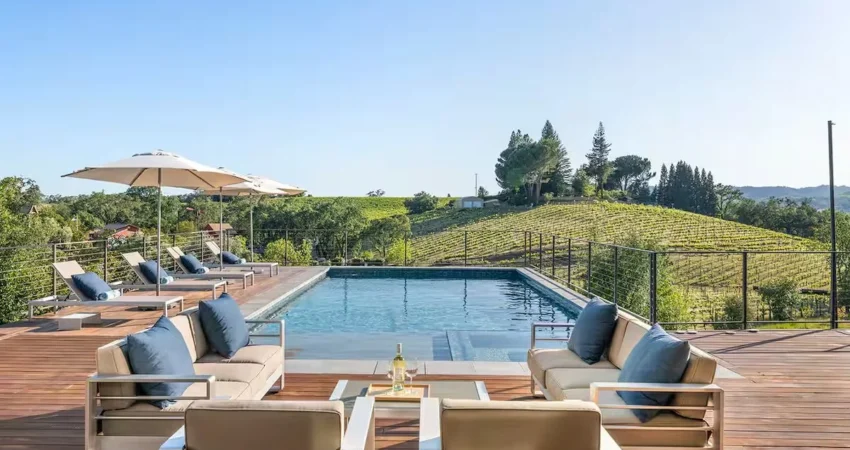
The landscape of the American bachelorette party is undergoing a significant demographic and cultural transformation, moving away from the high-energy, neon-lit corridors of Las Vegas, Nashville, and Scottsdale toward the refined, agrarian luxury of Northern California’s wine country. While the "boozy bachelorette" archetype remains a staple of the bridal industry, a growing segment of modern brides is prioritizing sophistication, privacy, and curated wellness over the chaotic nightlife of traditional party hubs. This shift has positioned Napa and Sonoma counties as premier destinations for multi-generational and high-spend bridal groups, fueled by a robust inventory of luxury short-term rentals that offer amenities traditional hotels often cannot replicate.
The Evolution of the Bachelorette Industry: From Bars to Vineyards
Historically, the bachelorette party was a modest affair, often limited to a single evening or a bridal shower. However, the late 20th and early 21st centuries saw the "last fling before the ring" evolve into a multi-day destination event. For decades, cities like Las Vegas dominated this market, capitalizing on a "more is more" philosophy of clubs, casinos, and late-night entertainment. In the 2010s, Nashville emerged as a rival, branding itself as "Nashvegas" and catering to a younger, high-energy crowd.
By the early 2020s, travel data began to show a pivot. According to hospitality industry reports, the "wellness tourism" sector grew by over 20% annually between 2021 and 2023. This trend intersected with the bridal market, leading to the rise of the "sophisticated bachelorette." For this demographic, the appeal of a dark, crowded nightclub has been eclipsed by the allure of sprawling wineries, sun-drenched vineyards, and design-forward tasting rooms. The objective has shifted from mere celebration to "experiential immersion," where the quality of the wine, the prestige of the Michelin-starred dining, and the aesthetic of the surroundings take center stage.
The Strategic Advantage of Short-Term Rentals in Wine Country
While the hotel infrastructure in Napa and Sonoma is world-class, featuring renowned properties such as Auberge du Soleil and the Montage Healdsburg, there is a growing preference for private rental homes among large groups. The economic and social logic behind this trend is rooted in the desire for "collective privacy."
A rental home provides a centralized hub that a traditional hotel stay lacks. Industry analysts note that group travelers are increasingly seeking "pod-style" accommodations where the morning begins around a communal kitchen island and the evening concludes at an outdoor dining table under the stars. The availability of multiple bedrooms and bathrooms allows for a balance between social interaction and personal retreat, a critical factor for groups of 10 or more.
The diversity of the housing stock in Northern California further enhances its appeal. Unlike the standardized luxury of a hotel suite, the rental market offers specialized environments:
- Secluded Redwoods: Treehouse-style retreats tucked into the forests of Sonoma cater to the "wellness and nature" bride.
- Historic Urban Mansions: Large Victorian and Craftsman-style estates near downtown Napa offer walkability to tasting rooms and high-end retail.
- Vineyard Estates: Sprawling properties in Healdsburg or the Stags Leap District provide an "Insta-ready" backdrop with wraparound porches and infinity pools overlooking active vineyards.
Data and Economic Impact of Wine Country Tourism
The economic impact of this shift is substantial. According to Visit Napa Valley’s 2023 economic impact report, the region sees approximately 3.7 million visitors annually, with a total visitor spending exceeding $2.5 billion. While the average age of a Napa visitor has historically skewed older, the influx of bachelorette and wedding-related travel is lowering the median age and increasing the frequency of mid-week bookings.
In Sonoma County, the tourism industry supports over 20,000 jobs, with a significant portion of revenue generated by the luxury rental market. Data from short-term rental analytics platforms like AirDNA indicate that "Guest Favorite" and "Superhost" listings in the Napa/Sonoma corridor maintain higher-than-average occupancy rates compared to other luxury markets, largely due to the consistent demand for high-capacity housing for bridal parties and corporate retreats.
The vetting process for these properties has become more rigorous as the market matures. Modern groups prioritize listings based on specific criteria:
- Host Status: A preference for Superhosts or Guest Favorites to ensure reliability.
- Design and Decor: Properties that offer a "curated" aesthetic suitable for social media documentation.
- Location: Proximity to key hubs like Healdsburg’s plaza or Napa’s Oxbow District.
- Specific Amenities: Private pools, hot tubs, and chef-grade kitchens are often non-negotiable for high-end groups.
Regional Profiles: Napa vs. Sonoma
To understand the appeal of wine country for a bachelorette group, one must distinguish between the two primary regions, each offering a distinct atmosphere.
Napa Valley: The Epicenter of Luxury
Napa Valley is synonymous with global prestige. It is home to some of the world’s most famous Cabernet Sauvignon producers and a high concentration of Michelin stars. For the bride who is a "foodie" or a "connoisseur," Napa offers an unparalleled level of service. The experience here is often more formal, characterized by seated tastings and architectural marvels. A bachelorette group in Napa might spend a morning at a historic mansion in the city center before heading to a private blending session at a world-class estate.
Sonoma County: Diversity and Relaxation
Sonoma County offers a broader geographic and experiential range. From the rugged coastline of Jenner to the redwood forests of the Russian River Valley, Sonoma appeals to the "nature lover" and the "wellness enthusiast." Healdsburg, in particular, has emerged as a premier destination for bridal parties, offering a sophisticated town square surrounded by dozens of tasting rooms and boutiques. The atmosphere in Sonoma is generally perceived as more laid-back and "farm-to-table" compared to Napa’s "estate-to-glass" formality.
Perspectives from Hospitality Experts and Local Stakeholders
Local business owners and hospitality experts have observed the shift in real-time. "We are seeing a much more intentional traveler," says one Healdsburg-based tasting room manager. "In the past, a large group might show up looking for a party. Now, they are coming in with reservations made months in advance, asking deep questions about soil composition and fermentation. They want an education, not just a drink."
Property managers in the region also note the change in how groups utilize their spaces. "The rental isn’t just a place to sleep anymore; it’s the venue for half the weekend’s activities," says a representative from a luxury property management firm. "Groups are hiring private chefs to come to the house, booking mobile massage therapists for poolside spa mornings, and hosting elaborate themed dinners on the patio. They are creating their own private resort experience."
Broader Implications for the Travel Industry
The rise of wine country as a bachelorette destination reflects broader shifts in the travel industry at large. The "premiumization" of group travel suggests that consumers are willing to spend more for exclusivity and comfort. This has led to a "bachelorette concierge" industry, where planners are hired specifically to coordinate logistics for wine country weekends, including transportation in luxury sprinters, pre-stocking rentals with premium groceries, and securing impossible-to-get dinner reservations at places like The French Laundry or SingleThread.
Furthermore, this trend has implications for local housing and zoning regulations. As the demand for high-capacity luxury rentals grows, local governments in Napa and Sonoma are continually balancing the economic benefits of tourism with the need to preserve housing for local residents. The result has been a more regulated but higher-quality inventory of legal short-term rentals that must meet strict safety and community standards.
Analysis: The Future of Group Celebrations
The transition from "boozy" to "sophisticated" travel is likely not a temporary fad but a permanent expansion of the bridal market. As the average age of marriage in the United States continues to rise, brides often have more disposable income and a more refined palate than previous generations. They are looking for experiences that reflect their current lifestyle—one that values health, high-quality gastronomy, and meaningful social connection over late-night revelry.
By offering a diverse array of environments—from treehouses in the redwoods to vineyard-adjacent estates—Northern California has successfully positioned itself as the versatile alternative to the traditional bachelorette party. Whether the group is focused on wellness, viticulture, or culinary excellence, the infrastructure of wine country, combined with the privacy of luxury rentals, provides a framework for an "unforgettable" and decidedly sophisticated celebration. This evolution ensures that the region will remain a cornerstone of the luxury travel market for years to come, setting the standard for how modern milestones are celebrated.

0 Comments