
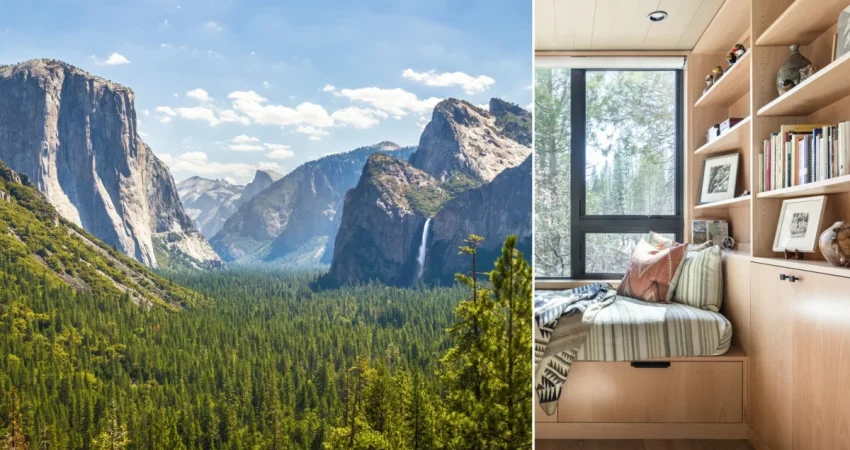
The landscape of American outdoor tourism is undergoing a significant transformation as travelers increasingly prioritize proximity and convenience, leading to a surge in demand for private short-term rentals located directly within the boundaries of U.S. National Parks. While the National Park Service (NPS) has historically relied on a network of federally contracted lodges and primitive campgrounds to house visitors, the emergence of high-end private rentals—often managed through platforms like Airbnb and Vrbo—has introduced a new tier of luxury and logistical ease for the modern adventurer. These properties, situated on "inholdings" or private tracts of land that predate the establishment of the parks themselves, offer a unique solution to the growing challenges of park congestion, timed-entry requirements, and the logistical hurdles of navigating vast wilderness areas.
The Logistics of Internal Park Lodging: A Shift in Visitor Strategy
For the modern traveler, the primary motivation for seeking accommodations within park boundaries is the mitigation of logistical friction. As national park popularity has soared over the last decade, the entry process has become increasingly complex. In 2023, several of the most visited parks, including Glacier, Arches, and Rocky Mountain National Park, continued or expanded timed-entry reservation systems to manage overcrowding. Staying at a private rental inside the park allows visitors to bypass these entrance stations during peak hours, as they are already situated past the gates.
The logistical advantages extend beyond gate access. Internal lodging eliminates the "commuter" aspect of national park visits, where travelers often stay in gateway towns such as West Yellowstone, Montana, or Gatlinburg, Tennessee, and face drives of 60 to 90 minutes each way to reach primary trailheads. By securing a home base within the park, visitors gain immediate access to high-traffic areas before the midday crowds arrive, effectively extending their usable time in the wilderness. This "immersive" approach to travel has redefined the value proposition of park accommodations, shifting the focus from mere shelter to a strategic asset for maximizing the outdoor experience.
The Historical Context of Private Inholdings
To understand how private rentals exist within federal land, one must look at the history of the National Park System. When many of the nation’s premier parks were established in the late 19th and early 20th centuries, the federal government did not always acquire every acre of land within the proposed boundaries. These remaining pockets of private land are known as "inholdings."
The National Park Service Organic Act of 1916 created the agency to manage these lands, but it did not automatically dissolve existing private property rights. Over the decades, the NPS has utilized the Land and Water Conservation Fund to purchase many of these tracts from willing sellers to consolidate park territory. However, thousands of acres remain in private hands. In Yosemite National Park, for instance, the communities of Foresta and Yosemite West represent significant inholdings where private homes—ranging from rustic cabins to modern architectural marvels—operate legally under local county zoning rather than direct federal oversight. Similarly, in parks like Acadia and the Great Smoky Mountains, the patchwork of private and public land creates a unique environment where a visitor can rent a home that is technically surrounded by protected federal wilderness.
Statistical Overview of National Park Visitation and Lodging Demand
The demand for internal park lodging is driven by record-breaking visitation numbers. According to the National Park Service’s 2023 visitation report, the system received 325.5 million recreation visits, a 4% increase from 2022. The top ten most-visited parks, including the Great Smoky Mountains (13.3 million visits) and the Grand Canyon (4.7 million visits), face chronic shortages of traditional lodging.
Data from the hospitality industry suggests that traditional park lodges, such as the Ahwahnee in Yosemite or the Many Glacier Hotel in Glacier, often reach 100% occupancy for the summer season within minutes of their reservation windows opening—usually 12 to 13 months in advance. This scarcity has created a robust secondary market for private rentals. While the number of permitted short-term rentals inside park boundaries is relatively small compared to gateway towns, their occupancy rates remain among the highest in the country. In specific regions like the Wawona area of Yosemite, private rentals can command price premiums of 30% to 50% over similar properties located outside the park gates, reflecting the high value placed on "inside-the-park" status.
Chronology of the Modern Park Stay
The evolution of how visitors stay in national parks can be categorized into four distinct eras:
- The Grand Lodge Era (1890s–1940s): The expansion of the Great Northern Railway and other rail lines led to the construction of massive, rustic lodges designed to bring wealthy tourists to the American West. These were the first "inside-the-park" luxury options.
- The Mission 66 Era (1950s–1970s): A massive federal infrastructure project modernized park facilities to accommodate the post-war boom in car culture, leading to the creation of more accessible motels and expanded campgrounds.
- The Digital Transition (2000s–2010s): The rise of online booking systems made it easier for the general public to access traditional park lodging, but also highlighted the extreme lack of inventory.
- The Sharing Economy Era (2015–Present): Platforms like Airbnb and Vrbo allowed owners of private inholdings to market their properties to a global audience. This era is defined by a shift toward "experiential" lodging where the home itself—its views, its deck, and its privacy—is as much of a draw as the park’s landmarks.
Regulatory Responses and Environmental Implications
The rise of short-term rentals within park boundaries has not been without controversy. Federal and local authorities have had to balance property rights with conservation goals. In many cases, these rentals are subject to strict environmental regulations regarding waste management, water usage, and light pollution to ensure they do not negatively impact the surrounding ecosystem.
For example, in the vicinity of Joshua Tree National Park, local ordinances have been tightened to address concerns over "overtourism" and the impact of short-term rentals on the local housing market and desert environment. Within the parks themselves, the NPS maintains a cautious stance. While the agency does not regulate private homes on inholdings, it often works with local counties to ensure that the infrastructure supporting these homes—such as roads and utility lines—does not interfere with park operations or wildlife corridors.
Environmental groups have also raised concerns about the "human footprint" of high-turnover rentals. Increased traffic on narrow park-access roads and the potential for human-wildlife conflict (often due to improper food storage by visitors unfamiliar with park protocols) are ongoing management challenges. However, proponents argue that by housing visitors closer to their destinations, these rentals actually reduce the total vehicle miles traveled within the park, potentially lowering the overall carbon footprint of a park visit.
Analysis of Economic and Broader Impacts
The proliferation of private rentals inside national parks represents a significant economic shift. Historically, revenue from park lodging flowed either to the federal government or to large concessionaires like Xanterra or Delaware North. The rise of private rentals redistributes some of this economic activity to individual homeowners and local property management firms.
Furthermore, this trend reflects a broader shift in American travel preferences toward "seclusion-based luxury." The modern traveler is often willing to trade the amenities of a full-service hotel—such as a front desk or on-site restaurant—for the privacy of a stand-alone home and the ability to prepare their own meals. This is particularly relevant in the post-pandemic era, where travelers have shown a sustained preference for accommodations that allow for social distancing and "slow travel."
The presence of these high-end rentals also influences the "democratization" of the parks. While the parks are "America’s Best Idea" and intended for all, the high cost of internal private rentals creates a barrier to entry that contrasts with the low-cost model of traditional camping. This has led to ongoing discussions within the NPS and among outdoor advocacy groups about how to maintain a balance between luxury private options and affordable public access.
Future Outlook for National Park Lodging
Looking forward, the scarcity of private land within national parks ensures that these Airbnbs will remain among the most exclusive and competitive real estate in the travel market. As the NPS continues to grapple with record crowds, the role of internal private lodging will likely become even more central to the park management conversation.
Potential future developments include:
- Stricter Permitting: Local counties may implement caps on the number of short-term rental permits allowed in inholding communities to preserve the "residential" character of these enclaves.
- Infrastructure Taxes: There may be increased pressure for private rental owners to contribute more directly to park maintenance funds, given that their guests utilize park resources heavily.
- Technology Integration: We may see better integration between private rental platforms and park management apps, providing guests with real-time data on trail closures, weather alerts, and shuttle schedules directly through their booking interface.
In conclusion, the availability of private rentals inside U.S. National Parks has fundamentally altered the visitor experience. By offering a blend of logistical efficiency and immersive natural beauty, these properties have become a vital, albeit exclusive, component of the national park ecosystem. As demand for the great outdoors continues to outpace infrastructure, the strategic importance of these "inside-the-park" home bases is set to grow, framing the future of how Americans interact with their most cherished landscapes.

0 Comments