
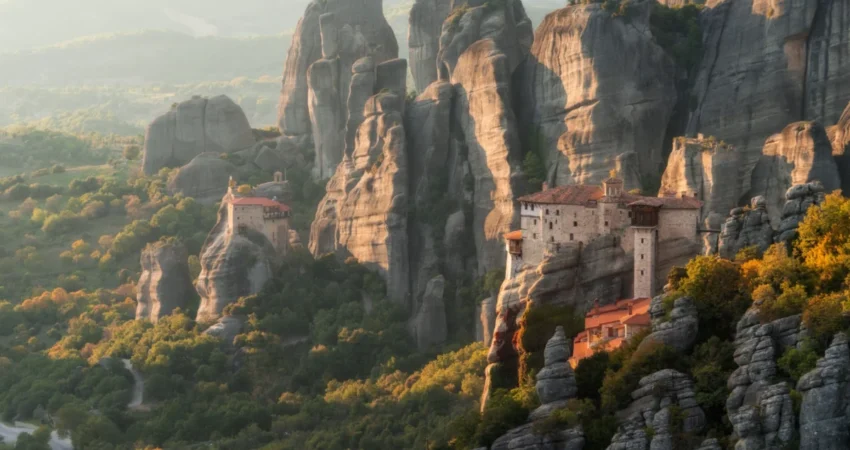
As the phenomenon of "Eurosummer" continues to dominate social media feeds with images of crowded Mykonos beaches and sun-drenched Aegean vistas, a growing demographic of sophisticated travelers is looking in the opposite direction. Recent meteorological shifts, characterized by record-breaking heatwaves across Southern Europe, have prompted a reassessment of when and how to visit the Hellenic Republic. Travel specialists and industry analysts are now highlighting the "off-season"—spanning from late fall through winter and into early spring—as the most strategic window for experiencing the true essence of Greece. This period offers a stark contrast to the frantic pace of July and August, providing a landscape defined by mild temperatures, significantly reduced costs, and a level of cultural intimacy that is virtually impossible to achieve during the peak tourist surge.
The Shift Toward Climate-Conscious and Crowd-Averse Travel
The decision to visit Greece between November and April is increasingly driven by the reality of climate change. In recent years, summer temperatures in Athens and the Peloponnese have frequently exceeded 40°C (104°F), leading to the temporary closure of major archaeological sites like the Acropolis for the safety of visitors. Emily Rister, a travel specialist at Original Travel, notes that the off-season offers a necessary reprieve from this brutal heat. In winter, the Greek climate remains relatively mild compared to Northern Europe or North America, with temperatures in the south often hovering between 10°C and 16°C (50°F–60°F).

Beyond the weather, the reduction in visitor density fundamentally alters the tourist experience. Data from the Hellenic Statistical Authority (ELSTAT) indicates that international arrivals in January and February are a mere fraction of those in August. This decline in volume translates to shorter queues at world-class museums and the rare opportunity to stand before the Parthenon or the Oracle of Delphi without the interference of thousands of other tourists. For many, this "breathing room" is the ultimate luxury, allowing for a more profound connection with the historical and spiritual weight of these ancient sites.
Economic Advantages: Luxury for a Fraction of the Cost
From a financial perspective, the off-season is the most advantageous time to visit Greece. During the peak summer months, hotel rates in high-demand areas like Santorini or the Athenian Riviera can skyrocket, often reaching three to four times their base value. However, once the calendar turns to November, many luxury properties offer significant discounts. Julie Durso of Scott Dunn points out that high-end resorts, including world-renowned brands like Amanzoe, often stay open through early November, offering rates that are sometimes less than half of their peak-season pricing.
Airfare follows a similar trajectory. Major carriers often reduce prices for transatlantic and intra-European flights to Athens during the winter months to maintain occupancy. This economic accessibility allows travelers to extend their stays or upgrade their accommodations, transforming a standard vacation into a high-end experience that would otherwise be cost-prohibitive. Furthermore, the lack of demand means that reservations at the country’s most coveted restaurants—which usually require weeks of lead time in the summer—can often be secured on the same day.

The Human Element: Authenticity and Local Connection
One of the most significant, albeit intangible, benefits of off-season travel is the shift in social dynamics. Lisa Kusak of Kusak & Co. emphasizes the "human element" that emerges when the tourist crowds dissipate. In the summer, the hospitality industry is often stretched to its limit, with staff working long hours under high pressure. In the off-season, the pace of life slows down, and the famous Greek "philoxenia" (hospitality toward strangers) becomes more palpable.
Visitors are more likely to engage in genuine conversations with shop owners, artisans, and restaurateurs who have more time to share their stories. This period also allows travelers to witness the rhythms of local life that are hidden during the tourist season. In rural areas, the winter months are marked by the olive harvest, which typically runs from November into December. Many estates now welcome visitors to observe or participate in the pressing of fresh oil, a cornerstone of Greek culture and economy. Following the olives, the citrus season begins in the Peloponnese and Crete, turning the landscape into a vibrant tapestry of orange and lemon groves.
Navigating the Geography of the Off-Season
While the mainland and larger islands remain vibrant year-round, travelers must be strategic about their destination choices. Many smaller islands, particularly in the Cyclades, effectively "shut down" from November to April, with ferries running on reduced schedules and many hotels and restaurants closing for renovations. Laura Plansky of Audley Travel recommends focusing on the mainland and larger islands such as Crete, Corfu, and Rhodes, which have substantial permanent populations and remain fully operational throughout the winter.

Athens: The Unhurried Capital
A January afternoon in Athens is best spent on foot. Without the summer glare, the neoclassical architecture of neighborhoods like Plaka and Kolonaki takes on a soft, cinematic quality. The Acropolis, blissfully unhurried, allows for detailed study of its friezes and columns in the crisp winter light. For those seeking a modern pulse, the city’s vibrant food scene—informed by a new generation of chefs—continues to thrive in neighborhoods like Pagrati and Kypseli, where the focus remains on seasonal, winter-harvest ingredients.
Thessaloniki: A UNESCO City of Gastronomy
In Northern Greece, Thessaloniki stands as a premier off-season destination. As Greece’s second-largest city, it maintains a bustling energy fueled by a large university population and a deep historical heritage. Designated as a UNESCO City of Gastronomy, Thessaloniki offers a culinary landscape shaped by centuries of trade between Greeks, Ottomans, Sephardic Jews, and Armenians. The winter months are ideal for exploring the city’s covered markets and cozy tavernas, where hearty dishes like slow-cooked lamb and spice-laden pastries provide comfort against the northern chill.
The Peloponnese: A Landscape of Myth and Stone
The Peloponnese peninsula offers a diverse array of experiences for the winter traveler. From the medieval castle-town of Monemvasia, where visitors can stay in restored stone houses, to the Venetian elegance of Nafplio, the region is a treasure trove of history and natural beauty. The cooler weather is perfect for hiking the Menalon Trail or exploring the archaeological ruins of Mycenae and Epidaurus without the physical toll of the summer sun. For wellness seekers, the region is home to world-class retreats like the Euphoria Retreat in Mystras, which combines ancient Greek healing philosophies with modern spa treatments.

Practical Logistics and The Art of Packing
Successful off-season travel requires a shift in logistical planning. Ferry schedules are significantly reduced, and journeys are more susceptible to weather-related cancellations. Travelers are advised to rely more on domestic flights or car rentals for mainland exploration. When it comes to packing, the "layering" strategy is essential. While days can be sunny and mild, evenings are often damp and cool. A high-quality raincoat, lightweight cashmere sweaters, and comfortable walking shoes for cobblestoned streets are non-negotiable items.
Broader Implications: Toward a Sustainable Tourism Model
The push for off-season travel is not merely a trend for the elite; it is a critical component of Greece’s long-term tourism strategy. The Greek Ministry of Tourism and the Greek National Tourism Organization (GNTO) have actively promoted the "Greece: You Will Want to Stay Forever" campaign, aiming to distribute tourist traffic more evenly throughout the year. This shift helps mitigate the environmental impact of overtourism on fragile ecosystems and provides a more stable, year-round income for local communities.
By choosing to visit in the off-season, travelers contribute to a more sustainable and ethical form of tourism. They support local businesses during the leaner months and help preserve the cultural integrity of destinations that are often overwhelmed by the summer rush. In the words of industry experts, "off-season" in Greece does not mean "closed"—it means "game on" for those seeking depth, value, and a genuine connection to one of the world’s most enduring civilizations. For the traveler willing to trade a beach umbrella for a light jacket, the rewards are a more authentic, affordable, and profoundly moving odyssey through the heart of Hellas.

0 Comments