
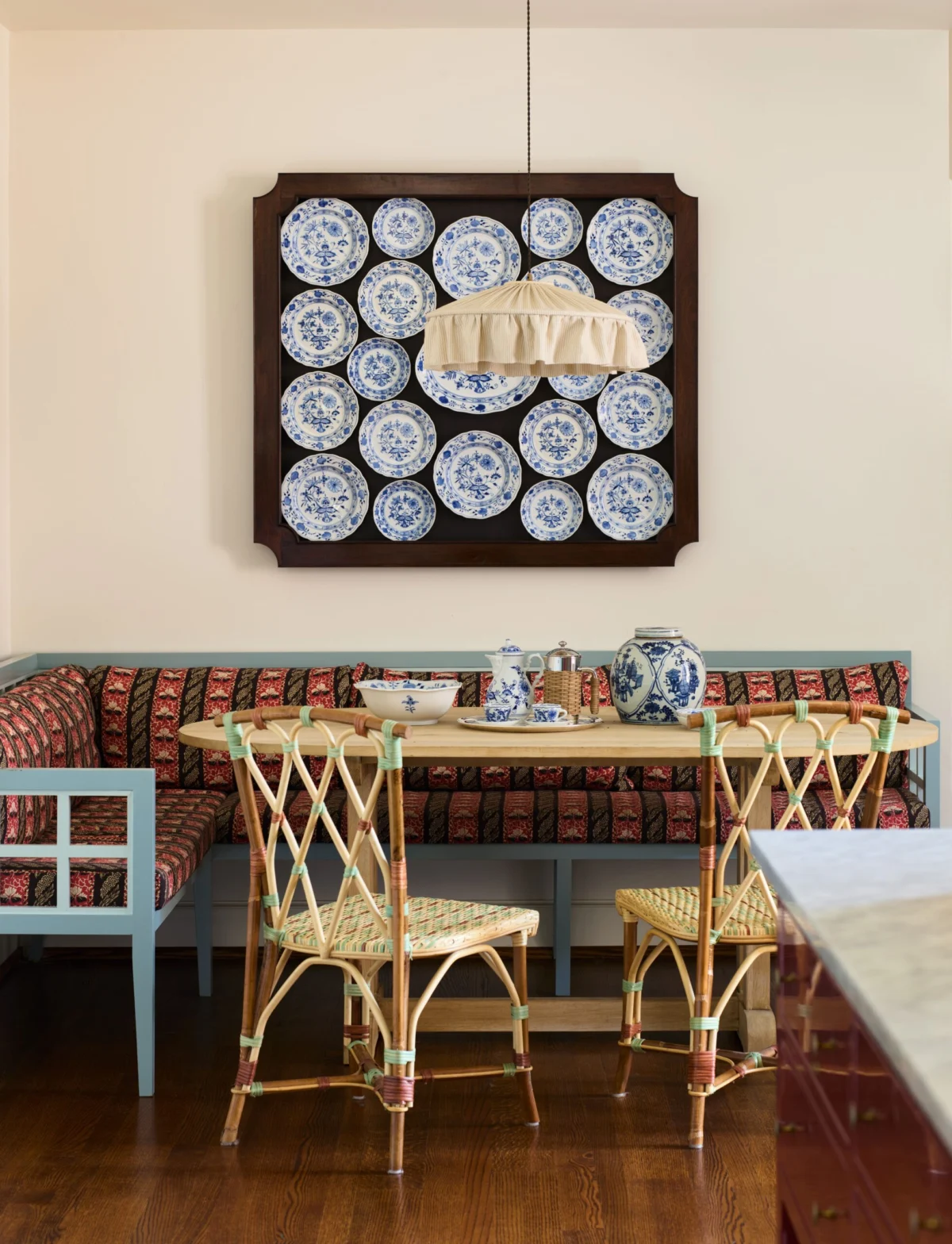
With historic roots deeply entwined in the opulent royal courts and the meticulous craftsmanship of centuries-old ateliers, porcelain commands a certain gravitas that can elevate even the most ordinary weeknight meal into a distinguished occasion. Fired at exceptionally high temperatures, its seemingly delicate thinness belies a remarkable versatility and inherent durability. While more affordable and substantial ceramic alternatives, particularly those crafted from clay, have dominated the market in recent years, a discernible shift is underway. A growing appreciation for heritage brands such as Ginori 1735 and Wedgwood is reawakening among younger generations, who are rediscovering the elegance that once graced their grandparents’ china cabinets. This resurgence signals a renewed interest in the high-gloss finish and enduring quality that fine porcelain offers.
Ginori 1735: An Italian Legacy of Elegance
Ginori 1735 stands as a paragon of Italian luxury and artisanal heritage, a name synonymous with refined elegance that resonates globally among design aficionados and discerning homemakers. The story of this esteemed brand began in 1735, just outside Florence, under the visionary direction of Marquis Carlo Andrea Ginori. His ambitious endeavor was to produce porcelain of unparalleled quality in Italy, a material he famously referred to as "white gold." The brand’s most iconic pattern, Oriente Italiano, is a testament to this legacy. Originally conceived during the tenure of Gio Ponti as artistic director, this pattern features a Chinoiserie-inspired floral motif rendered in rich, saturated hues and meticulously finished with a gold rim.
Remarkably, the Oriente Italiano pattern remains in production nearly a century after its inception. Its enduring appeal has been further revitalized through a period of creative direction by Alessandro Michele, the former creative director of Gucci. Under his influence, the collection embraced a more youthful and vibrant aesthetic, introducing even bolder iterations of the classic design. Today, Ginori 1735’s offerings extend far beyond traditional dinnerware and serving pieces, encompassing a diverse range of decorative items and home fragrances. The brand’s influence is so pervasive that one can experience the full spectrum of Ginori 1735 in its dedicated cafés located in major cities worldwide, creating immersive environments where art and dining converge.
The Ginori 1735 Oriente Italiano Malachite Salad Plate, priced at $130, exemplifies the brand’s ability to blend timeless design with contemporary appeal. Similarly, the Ginori 1735 Il Viaggio di Nettuno Luna Mug, available for $215, showcases a more whimsical yet equally sophisticated design, reflecting the brand’s ongoing innovation and commitment to artistic expression.
Villeroy & Boch: Graphic Sophistication and Enduring Quality
Hailing from Germany, Villeroy & Boch has established itself as a distinguished name in porcelain manufacturing since its founding in 1748. François Boch, the founder, embarked on his industrial pottery venture by building upon his father’s established craft. The brand’s design philosophy often leans towards a bolder aesthetic, incorporating a spectrum of motifs ranging from intricate floral designs to more art deco-inspired patterns. A prime example of this is the MetroChic collection, which features striking geometric details rendered in black and gold.
Another significant piece in Villeroy & Boch’s portfolio is the La Boule dinnerware set, originally conceived by Helen von Boch in 1971. This innovative design reimagines traditional dinnerware as a cohesive unit, where bowls and plates can be artfully stacked to form a compact sphere when not in use, thereby optimizing space and aesthetic appeal.
The Villeroy Boch MetroChic Bone Bowl, priced at $196, offers a glimpse into the collection’s graphic elegance. The La Boule Dinnerware (Set of 7), available for $667, represents a more substantial investment, embodying the brand’s unique approach to functional art and space-saving design.
Royal Copenhagen: The Quintessential Blue and White Motif
Royal Copenhagen, Denmark’s oldest porcelain house, is celebrated for its iconic hand-painted blue floral motif, a design that has remained largely unchanged since its inception in 1775. This signature pattern, known as Blue Fluted, graces a wide array of pieces, including teapots, cake stands, and sauce boats, among others. The artistry lies in its freehand execution, ensuring that no two pieces are precisely alike, imbuing each item with a unique character. Even contemporary variations of this beloved design bear the numeral "1" stamped discreetly beneath, serving as a subtle homage to its origins.
These pieces are designed for daily use, encouraging a harmonious blend and mix-and-match approach across different Royal Copenhagen collections. The brand also occasionally reissues archival designs, such as Arje Griegst’s charming Triton line of seashell-inspired dinnerware, which has garnered significant collector interest and was re-released in updated forms this year.
The Royal Copenhagen Princess Dinner Plate, priced at $120, showcases the brand’s enduring elegance. The Royal Copenhagen Fluted Salad Plate, available for $145, further exemplifies the meticulous craftsmanship and timeless appeal of their designs.
Lenox: An American Icon of Tableware
Founded in 1889 as a modest art studio specializing in hand-painted ivory china, Lenox has become America’s preeminent answer to European porcelain houses. At a time when fine porcelain was predominantly imported into the United States, Lenox’s domestic production marked a significant milestone. This commitment to quality and craftsmanship led to its distinction as the first American brand commissioned to produce official china for the White House. While many of its wares exude an understated and classic sensibility, such as the 24 Seven line, which highlights its suitability for everyday use, pieces like the French Perle Scallop dinnerware showcase a more playful side.
The French Perle Scallop collection, with its delicately ruffled edges, offers a perfect balance—refined enough for formal occasions yet robust enough for daily dining. This duality underscores Lenox’s philosophy of creating beautiful, functional tableware that seamlessly integrates into the modern home.
The Lenox French Perle Scallop Dinnerware (Set of 12) is available for $300, with a reduced price of $210, offering substantial value for a comprehensive set. The Lenox Oneida 24 Seven Dinnerware (Set of 18) presents an even more accessible option, priced at $140, often found at a sale price of $70, making it a popular choice for wedding registries.
Wedgwood: A Master of Adaptation and Design
Wedgwood, a venerable English brand established in 1759, is renowned for its capacity to innovate and adapt, consistently pushing the boundaries of fine bone china. The brand’s collections often oscillate between historical reproductions and cutting-edge contemporary designs. The Mythical Creatures dinnerware, a collaboration with Kit Kemp of London’s Firmdale Hotels, offers a whimsical interpretation of fine bone china. Decorated with folk-art inspired birds and beasts and finished with a unique gold rim customized by Kemp, these pieces inject a playful spirit into formal dining.
In contrast, the Gio Gold collection presents a more minimalist aesthetic. Characterized by clean, geometric patterns on pristine white china, accented with a gold band, this collection is designed to complement rather than dominate a table setting.
The Wedgwood Mythical Creatures Dinnerware (Set of 5) is priced at $500, reflecting its artistic and artisanal value. The Wedgwood Gio Gold Dinnerware (Set of 4), at $265, offers a more streamlined yet equally luxurious option.
J.L. Coquet: The Chef’s Choice in Fine Porcelain
J.L. Coquet has ascended to a position of high esteem within the culinary world, becoming a favored brand among Michelin-starred restaurants and acclaimed chefs globally. Founded near Limoges, France, in 1824, the company’s trajectory towards widespread recognition began in earnest in 1963 with the introduction of collections that would define its signature style. The Hémisphère collection is particularly notable, featuring fine grooves that encircle each plate, reminiscent of planetary rings.
More recently, J.L. Coquet has collaborated with the esteemed cognac house LOUIS XIII for its inaugural "Art de la Table" collection. This significant partnership involved the development of 11 new porcelain techniques, underscoring the brand’s commitment to pushing the envelope in luxury craftsmanship and exclusivity.
The J.L. Coquet Hémisphère Serving Plate is available for $195. The J.L. Coquet x LOUIS XIII Soil is our Soul Dessert Plates (Set of 2) are priced at $550, highlighting the brand’s capacity for bespoke luxury and artistic collaborations.
Augarten: Playful Elegance from a Historic Manufactory
Augarten holds the distinction of being Europe’s second-oldest porcelain manufactory, established in Vienna in 1718. Each piece crafted by Augarten is meticulously handmade within the original historic building, a testament to the brand’s unwavering commitment to tradition and artisanal excellence. While the brand offers the exquisite Viennese Rose pattern, known for its romantic floral motif, it also embraces a more playful and high-end aesthetic, as seen in its collaborations with designers like Giambattista Valli.
These collaborations have resulted in unique pieces such as botanical plates and whimsical fruit-shaped porcelain boxes that transcend mere dinnerware to become objets d’art. The brand’s premium positioning is evident in offerings like its caviar service, which retails for $9,850, signaling its appeal to a discerning clientele seeking both artistic expression and unparalleled quality.
The Augarten Schubert Dinnerware, priced at $186, showcases a distinctive design. The Augarten x Giambattista Valli Plein Air Dessert Plate No. 4, at $685, exemplifies the brand’s foray into high-fashion collaborations.
Bernardaud: A Collector’s Choice Bridging History and Art
Bernardaud, based in Limoges, France, masterfully navigates the spectrum from historically inspired reproductions to avant-garde contemporary designs. For decades, the brand has fostered collaborations with renowned artists such as Marc Chagall, Jeff Koons, and JR, transforming its porcelain into limited-edition art pieces. This artistic approach ensures that Bernardaud’s collections possess a unique cachet, appealing to collectors who appreciate the fusion of fine craftsmanship and artistic vision.
Beyond its artistic collaborations, Bernardaud excels in historical interpretations. The Albertine collection features delicate, hand-sketched birds and foliage adorning the porcelain, creating an elegant and timeless appeal. The Marie-Antoinette line draws inspiration from the queen’s favorite floral motifs, offering a regal and romantic aesthetic.
The Bernardaud Marie-Antoinette Salad Plate is priced at $235. The Bernardaud Albertine Dinner Plate, at $110, provides an example of the brand’s refined artistry at a more accessible price point.
Mikasa: The Versatile Wedding Registry Staple
Mikasa, established in California in 1948 as a dinnerware importer, has carved out a niche as a purveyor of attractive and accessible tableware. The brand has built a reputation for offering stylish and durable porcelain and bone china collections that are both aesthetically pleasing and practical for everyday use. While the Swirl Bone dinnerware, characterized by its clean white design and subtle patterned rim, is a frequent fixture on wedding registries, Mikasa also explores more adventurous designs.
The Akira Vegan Bone collection, for instance, ventures into vibrant colors and botanical inspirations, utilizing the traditional bone china material to create pieces that are both contemporary and eye-catching. This range demonstrates Mikasa’s ability to cater to diverse tastes while maintaining a commitment to quality and value.
The Mikasa Akira Vegan Bone Dinner Plate (Set of 4) is available for $50, with a sale price of $42, offering an affordable entry into elegant dining. The Mikasa Swirl Bone Dinnerware (Set of 36), designed for six people, is priced at $239, representing a comprehensive and stylish option for establishing a well-appointed table.
The enduring appeal of fine porcelain lies in its ability to blend historical significance with contemporary relevance. As these heritage brands continue to innovate and captivate new audiences, the timeless elegance of porcelain is poised to remain a cornerstone of sophisticated dining for generations to come. The resurgence of these classic materials is not merely a trend, but a testament to the enduring value of craftsmanship, artistry, and the simple yet profound pleasure of elevating everyday moments through beautiful objects.

0 Comments