
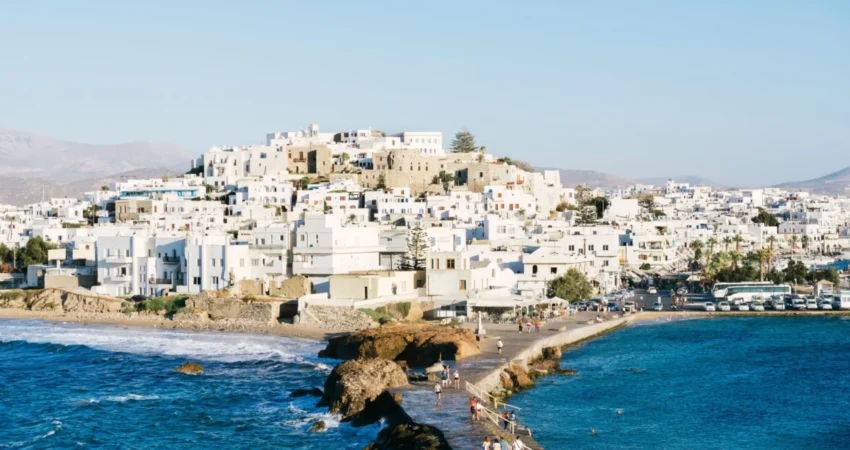
Greece remains one of the world’s most sought-after travel destinations, yet its identity is often simplified to a collection of sun-drenched islands and turquoise waters. While its coastline is undeniably a primary draw, the Hellenic Republic is approximately 80 percent mountainous, offering a topographical diversity that ranges from the alpine peaks of the Pindus range to the fertile vineyards of Macedonia. Planning a trip to this Mediterranean hub requires a nuanced understanding of its seasonal shifts, regional microclimates, and cultural calendar to ensure an experience that balances relaxation with cultural immersion.
Strategic Seasonal Planning and the September Advantage
For travelers seeking the quintessential Greek experience—combining the historical depth of Athens with the leisure of the islands—industry experts identify September as the optimal window. Vasilis Sarmantas and Seetha Ramanathan, co-founders of Curated Greece, note that by September, the Aegean and Ionian seas have reached their peak warmth after months of summer sun. Crucially, the frequency of ferry routes remains high, yet the overwhelming crowds of July and August begin to dissipate.
In the Cyclades, including high-profile destinations like Mykonos and Santorini, demand remains robust through September and into early October. However, the "shoulder season" offers a more tempered pace. Alternatively, the period from late May to early June presents a lush landscape characterized by blooming wildflowers and moderate temperatures, ideal for trekking and archaeological exploration. While the sea temperatures during this spring window are notably cooler than in late summer, the visibility at historical sites like the Acropolis or the ancient theater of Epidaurus is often better due to lower humidity and reduced heat haze.
Climate Realities and the Impact of Extreme Weather
The Greek summer, particularly July and August, is increasingly defined by extreme heat. Data from the European Union’s Copernicus Climate Change Service highlighted significant heat stress across Southern Europe during the summer of 2025, with Greece experiencing several prolonged heatwaves. These conditions necessitate strategic planning for outdoor activities; archaeological sites may close abruptly during peak heat hours to protect staff and visitors.
Travelers must also account for the meltemi, a strong, dry northern wind that sweeps across the Aegean Sea in summer. While these winds provide a cooling effect on coastal areas, they can significantly disrupt maritime travel. High-speed catamarans are particularly susceptible to cancellations when gale-force winds occur. Consequently, experts advise verifying ferry schedules on the day of departure and maintaining a flexible itinerary when traveling between smaller islands.
Furthermore, the dry summer months elevate the risk of wildfires in rural and forested regions. The Greek Ministry of Climate Crisis and Civil Protection maintains a daily risk map, and travelers are encouraged to monitor the "112" emergency alert system, which provides localized evacuation instructions and safety warnings in multiple languages.
Economic Considerations and Cost Analysis
Tourism is a cornerstone of the Greek economy, contributing approximately 18 to 20 percent of the national GDP. This economic reliance results in a highly seasonal pricing structure. The period from November through March represents the most economical time to visit, with international flight costs frequently dropping by 30 to 50 percent compared to peak summer rates.

While many island resorts and seasonal businesses close during the winter, major urban centers like Athens and Thessaloniki remain vibrant. These cities offer a "locals-only" perspective, with neighborhood tavernas and museums operating without the congestion of the high season. For those insistent on an island stay during the off-peak months, larger islands such as Crete and Rhodes are the most viable options, as they possess permanent populations and infrastructure that remains operational year-round.
The Cultural and Religious Calendar: A Timeline of Significant Events
A trip to Greece can be profoundly enriched by aligning it with local traditions. However, these events require advanced logistical planning, particularly regarding accommodation and transportation.
Orthodox Easter
Orthodox Easter is the most significant event in the Greek calendar, and its date often differs from Western Easter. The week leading up to Easter Sunday, known as Holy Week, features solemn processions and unique local customs.
- Corfu: Known for its philharmonic bands and the "botides" tradition, where large clay pots are thrown from balconies on Holy Saturday.
- Patmos: Features the "Washing of the Feet" ceremony, reenacting biblical events.
- Leonidio: Famous for the release of hundreds of illuminated paper balloons into the night sky during the Resurrection service.
The Feast of the Dormition (August 15)
Known as Dekapentavgoustos, this holiday is often referred to as the "Summer Easter." It triggers a massive internal migration as Greeks return to their ancestral villages. The island of Tinos becomes a focal point for pilgrims visiting the Church of Panagia Evangelistria. During this period, ferry tickets—especially those for vehicles—should be booked months in advance.
The Grape Harvest (September–October)
In wine-producing regions like Naoussa in Macedonia or the Peloponnese, the autumn harvest offers opportunities for agritourism. The timing of the harvest varies annually based on sugar levels and weather patterns, making it essential for enthusiasts to coordinate directly with estates like Kir-Yianni for tours and tastings.
Regional Deep Dives: Beyond the Standard Itinerary
To truly grasp the diversity of the Greek landscape, travelers are encouraged to look beyond the "blue-and-white" aesthetic of the Cyclades.
Crete: The Bronze Age and Beyond
As Greece’s largest island, Crete requires at least a week to explore. The eastern region near Heraklion is home to the Palace of Knossos, the center of the Minoan civilization. In contrast, the western region near Chania offers the dramatic White Mountains and world-renowned beaches like Balos and Elafonisi. The island’s mountainous interior is famous for its "farm-to-table" culinary traditions, such as the chestnut festivals in the village of Elos held each autumn.
The Peloponnese: A Road Trip Through Myth
The Peloponnese peninsula is a haven for hikers and history buffs. The Menalon Trail in Arcadia offers a 47-mile trek through rugged gorges and stone villages like Stemnitsa and Dimitsana. To the south, the Mani peninsula features unique fortified tower houses, reflecting a history of fierce local independence.
Epirus and the Zagori Region
For those seeking an alpine experience, the UNESCO-listed Zagori region in northwestern Greece is incomparable. The area is defined by the Vikos Gorge—one of the deepest in the world—and a network of 46 stone-built villages connected by 18th-century arched bridges. This region is best explored on foot during the autumn when the deciduous forests turn vibrant shades of gold and red.
Logistics, Infrastructure, and Regulatory Requirements
A successful Greek itinerary typically requires a minimum of seven nights. Ronnie Liadis of Liadis Travel suggests a "three-night rule" for islands to account for the time lost during transfers. While the domestic flight network is efficient, the ferry system remains the backbone of Greek travel, offering a more scenic and often more reliable connection between island groups.
Visa and Entry Requirements
United States citizens may enter Greece for tourism without a visa for up to 90 days within any 180-day period under the Schengen Agreement. Passports must be valid for at least three months beyond the intended date of departure.
Travelers should stay informed regarding the European Travel Information and Authorisation System (ETIAS). While not yet operational, ETIAS will eventually require visa-exempt visitors to obtain a digital authorization prior to arrival in the Schengen Area. The launch date has been subject to multiple delays, and the official European Union website remains the only authoritative source for updates.
Environmental Responsibility and Overtourism
The Greek government has recently begun implementing measures to combat overtourism in high-traffic areas. This includes daily caps on visitors to the Acropolis and proposed fees for cruise ship passengers arriving at popular islands like Santorini. Travelers can mitigate their impact by opting for the shoulder season, staying in locally-owned accommodations, and exploring lesser-known regions like the Ionian islands of Kefalonia or the wine trails of Northern Greece.
In conclusion, Greece offers a multi-layered travel experience that rewards those who look beyond the surface. By understanding the interplay of climate, culture, and geography, visitors can craft an itinerary that is both logistically sound and culturally resonant, capturing the enduring spirit of a nation that sits at the crossroads of history and modernity.

0 Comments