
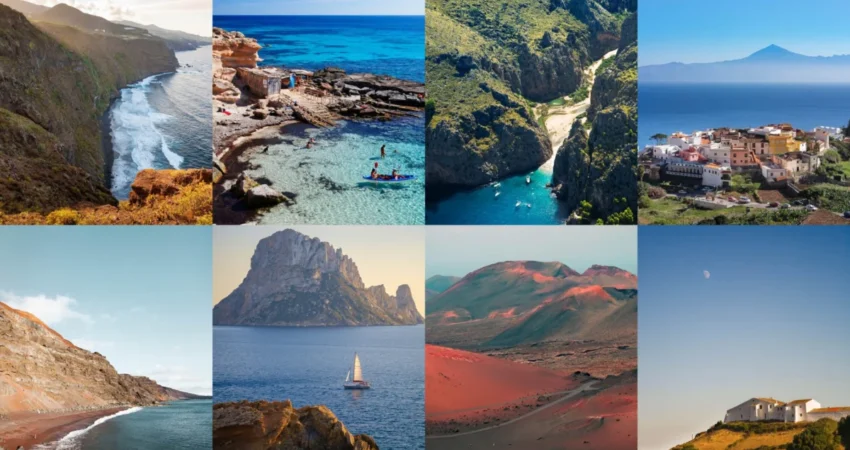
Spain’s archipelagoes, comprising the Balearic Islands in the Mediterranean and the Canary Islands in the Atlantic, continue to solidify their positions as premier global destinations for high-end hospitality. As the 2024 travel season reaches its peak, industry analysts and travel editors have identified a select group of establishments that represent the pinnacle of luxury, service, and architectural integration. These "Editor’s Picks" are not merely places of accommodation but are central to Spain’s broader economic strategy to pivot from mass tourism toward a high-value, sustainable model. This shift is reflected in the record-breaking investment in the hotel sector, which saw over €4 billion in transactions in the previous fiscal year, a significant portion of which was concentrated in the islands.
Leading Destinations in the Balearic Archipelago
The Balearic Islands—Mallorca, Ibiza, Menorca, and Formentera—have long been the jewel of Mediterranean tourism. However, the current landscape shows a distinct move toward "slow travel" and heritage preservation. In Mallorca, the focus remains on the Tramuntana Mountains and the cosmopolitan elegance of Palma. Establishments such as Belmond La Residencia in Deià continue to set the standard for rustic luxury. Nestled between citrus groves and olive trees, the hotel occupies two manor houses dating back to the 16th and 17th centuries. Its commitment to the local arts community, featuring an in-house sculptor and numerous galleries, exemplifies the "cultural immersion" trend currently dominating the luxury sector.
In contrast, Ibiza has successfully rebranded itself from a nightlife capital to a wellness and ecological retreat. Six Senses Ibiza, located on the northern tip at Cala Xarraca, represents this transformation. As the first BREEAM-certified resort in the Balearics, it utilizes renewable energy and locally sourced materials, proving that ultra-luxury can coexist with rigorous environmental standards. The resort’s focus on longevity and bio-hacking programs caters to a new demographic of affluent travelers who prioritize health and sustainability over traditional leisure.
Menorca, designated a UNESCO Biosphere Reserve, offers a more understated version of luxury. The recent opening of Villa Le Blanc by Gran Meliá has redefined the island’s hospitality map. As a carbon-neutral hotel, it serves as a prototype for future developments in sensitive ecological zones. The architectural design pays homage to traditional Menorcan whitewashed villages while incorporating state-of-the-art energy-efficient systems.
Premier Accommodations in the Canary Islands
While the Balearics thrive in the summer, the Canary Islands provide a year-round haven for luxury travelers, particularly those from Northern Europe and North America. Tenerife and Lanzarote have emerged as leaders in the five-star-plus category. The Ritz-Carlton, Abama, situated on the southwest coast of Tenerife, remains a benchmark for the region. Featuring a Michelin-starred dining portfolio and a world-class golf course, the resort functions as a self-contained ecosystem of luxury.

Lanzarote offers a unique aesthetic driven by the legacy of artist and architect César Manrique. Hotels such as the Alava Suites or the more traditional Jameos del Agua-inspired villas focus on the island’s volcanic landscape. The integration of basalt stone and minimalist design ensures that the hospitality sector enhances rather than obscures the natural environment. Meanwhile, Gran Canaria has seen a resurgence in its luxury offerings, with the Santa Catalina, a Royal Hideaway Hotel, standing as a testament to colonial-style grandeur. Originally opened in 1890, its recent multi-million-euro renovation has restored it to its status as a social hub for the elite, blending historical prestige with modern technological amenities.
Statistical Overview of the Spanish Luxury Tourism Sector
The selection of these top-tier hotels is supported by robust economic data indicating a surge in the luxury segment. According to the Spanish National Statistics Institute (INE), while overall tourist arrivals have stabilized, the Average Daily Rate (ADR) for five-star establishments in the islands has increased by 14% year-on-year.
Key data points for the 2023-2024 period include:
- Total Investment: The Spanish hotel investment market reached €4.2 billion in 2023, with the Balearic Islands accounting for 25% of the total volume.
- Occupancy Rates: High-end boutique hotels in Mallorca and Ibiza reported an average occupancy rate of 88% during the peak season, outperforming the four-star segment by nearly 10 percentage points.
- Revenue Per Available Room (RevPAR): In the Canary Islands, RevPAR for luxury resorts grew by 18%, driven by a significant increase in visitors from the United States and the United Kingdom seeking premium experiences.
- Sustainability Spend: Approximately 35% of new hotel developments in the Spanish islands now include specific budgets for carbon offset programs and water desalination technologies.
Historical Development and Chronological Shift
The evolution of the Spanish island hotel industry can be categorized into four distinct eras. Understanding this chronology is essential to grasping why the current "Editor’s Picks" emphasize heritage and sustainability.
- The 1960s – 1970s (The Mass Tourism Boom): Following the "Plan de Estabilización," Spain opened its borders to international tourism. This era was defined by the rapid construction of high-rise hotels designed for volume, particularly in areas like Magaluf in Mallorca and Playa de las Américas in Tenerife.
- The 1980s – 1990s (Diversification): Recognizing the environmental toll of mass tourism, local governments began implementing "Moratorias" (building freezes). This period saw the birth of rural tourism (turismo rural) and the conversion of historic fincas into boutique stays.
- The 2000s – 2010s (The Rise of Lifestyle Brands): International brands like Marriott, Hyatt, and IHG began acquiring local properties, bringing global standards of service and loyalty programs to the islands. Ibiza became a global brand during this time.
- 2020 – Present (The Regenerative Era): Post-pandemic travel patterns shifted toward privacy, space, and ecological responsibility. The current "top picks" reflect a move away from "over-tourism" toward "regenerative tourism," where hotels are expected to leave the destination better than they found it.
Official Responses and Industry Sentiment
The shift toward high-end hospitality has been met with approval from government officials, albeit with a cautious eye on social impact. The Spanish Minister of Industry and Tourism recently stated that the government’s goal is "quality over quantity," emphasizing that the future of Spanish tourism lies in attracting travelers who stay longer and spend more, thereby reducing the environmental footprint per visitor.
Exceltur, the Alliance for Excellence in Tourism, has echoed these sentiments. In their latest quarterly report, they noted that the luxury segment is the most resilient to economic fluctuations. "The high-end traveler is less sensitive to inflation and more concerned with the authenticity of the experience," the report stated. However, local associations in the Balearics have raised concerns about the "gentrification of leisure," noting that the rise in luxury hotels must be balanced with affordable housing for the staff who operate them.

Environmental Initiatives and Sustainable Luxury
A defining characteristic of the hotels featured in the 2024 selection is their aggressive pursuit of environmental certifications. The Balearic government’s Law on Tourism and Circularity, passed in 2022, mandates that all hotels implement circularity plans to manage waste, water, and energy.
Luxury hotels are leading this charge by:
- Eliminating Single-Use Plastics: Most top-tier resorts have replaced plastic amenities with biodegradable or refillable alternatives.
- Farm-to-Table Gastronomy: Hotels like Finca Cortesin (though mainland-based, it sets the standard for its island counterparts) and Jumeirah Port Soller utilize on-site gardens to provide produce for their Michelin-starred kitchens.
- Water Management: Given the chronic water shortages in the Canary and Balearic Islands, many luxury resorts have invested in private desalination plants and greywater recycling systems for landscaping.
Broader Impact and Future Projections
The selection of these premier island hotels has implications that extend beyond the travel industry. The focus on luxury is a key driver of infrastructure improvement. In Palma and Santa Cruz de Tenerife, the presence of high-end hotels has spurred the revitalization of historic districts, the opening of high-end retail corridors, and the improvement of public transport links.
Looking forward to 2025 and beyond, analysts predict that the "Spanish Island" brand will continue to move upmarket. There is a growing pipeline of "ultra-luxury" projects, including the entry of brands like Four Seasons and Rosewood into the island markets. The challenge for these destinations will be maintaining their unique cultural identities in the face of globalized luxury standards.
In conclusion, the top Spanish island hotels of 2024 represent a sophisticated blend of historical reverence, modern luxury, and ecological stewardship. By catering to an increasingly discerning international clientele, these establishments are not only defining the current travel landscape but are also securing the long-term economic and environmental viability of Spain’s most cherished coastal regions. The data clearly shows that while the era of mass tourism put Spain on the map, it is the luxury sector that will ensure it remains a world-class destination for generations to come.

0 Comments