
The fashion and lifestyle industries are witnessing a significant resurgence of "tomato red," a vibrant, orange-leaning hue that has transitioned from a viral social media aesthetic into a cornerstone of contemporary retail strategy. Initially popularized through the "Tomato Girl" trend on digital platforms such as TikTok, the color has moved beyond seasonal novelty, appearing prominently in recent celebrity street style and high-profile industry events, including Copenhagen Fashion Week. This resurgence coincides with the conclusion of major retail events, such as the Nordstrom Anniversary Sale, where tomato-themed products in the beauty, home, and accessories categories have seen heightened consumer interest.

The Evolution of the Tomato Aesthetic: From Viral Trend to Market Staple
The "Tomato Girl" aesthetic first gained significant traction approximately three years ago, offering a romanticized, Mediterranean-inspired lifestyle centered on sun-drenched imagery, white linen, vintage prints, and artisanal produce. By June 2023, Women’s Wear Daily (WWD) reported that the hashtag #tomatogirl had accumulated over 2 million mentions on TikTok, signaling a massive shift in consumer interest toward warm, saturated palettes.
While many digital "microtrends" experience a rapid lifecycle of popularity followed by obsolescence, tomato red has demonstrated unexpected longevity. Industry analysts suggest that the color’s staying power is rooted in its versatility. Unlike the cooler, blue-toned crimsons typically associated with winter, tomato red contains warm, yellow undertones that allow it to bridge the gap between summer’s vibrancy and autumn’s earthiness. This adaptability has made it a favorite for designers looking to provide consumers with "trans-seasonal" pieces that remain relevant across multiple months.

Chronology of a Color: 2021 to Present
The trajectory of the tomato red trend can be mapped through several key phases of cultural and commercial adoption:
- Summer 2021–2022: The Emergence. The aesthetic began as a niche visual style on Pinterest and TikTok, heavily influenced by European travel content and the "Cottagecore" movement. It focused on a slow-living philosophy, emphasizing gardening, outdoor dining, and natural fabrics.
- Early 2023: Peak Social Saturation. The term "Tomato Girl" was codified. Brands began tailoring marketing campaigns to include produce-themed accessories and bold red apparel to capitalize on the millions of social media impressions.
- Late 2023–Early 2024: The "Pop of Red" Phenomenon. As the fashion industry moved toward "Quiet Luxury" and neutral palettes, a singular "pop of red" became the preferred method for adding visual interest to minimalist outfits. Tomato red emerged as the primary choice for socks, bags, and knitwear.
- August 2024: Institutional Validation. The appearance of the hue at Copenhagen Fashion Week—a renowned bellwether for global trends—confirmed that the color would remain a dominant force through the upcoming fall and winter seasons.
Market Data and Consumer Behavior
Retail data indicates that the demand for vibrant red tones remains high despite the cyclical nature of fashion. According to recent market analysis, consumer searches for "red home decor" and "tomato red beauty products" have seen a 15% year-over-year increase. This is partially attributed to the "lipstick effect," a theory suggesting that consumers are more likely to purchase small, affordable luxury items—such as a $10 lip tint or a $12 jewelry box—during periods of economic fluctuation.

The Nordstrom Anniversary Sale, which concluded on August 9, served as a critical barometer for this trend. Inventory levels for tomato-hued items, ranging from high-end cookware to entry-level beauty products, showed rapid sell-through rates. This data suggests that consumers are increasingly looking for "grown-up" ways to incorporate bold colors into their lives, moving away from the more literal, costume-like interpretations of the early TikTok trend.
Strategic Product Integration in Beauty and Home
The current market offers a diverse array of products that cater to the tomato red trend, spanning various price points and utility levels. These items reflect a broader industry move toward merging functionality with aesthetic appeal.

Home Fragrance and Culinary Aesthetics
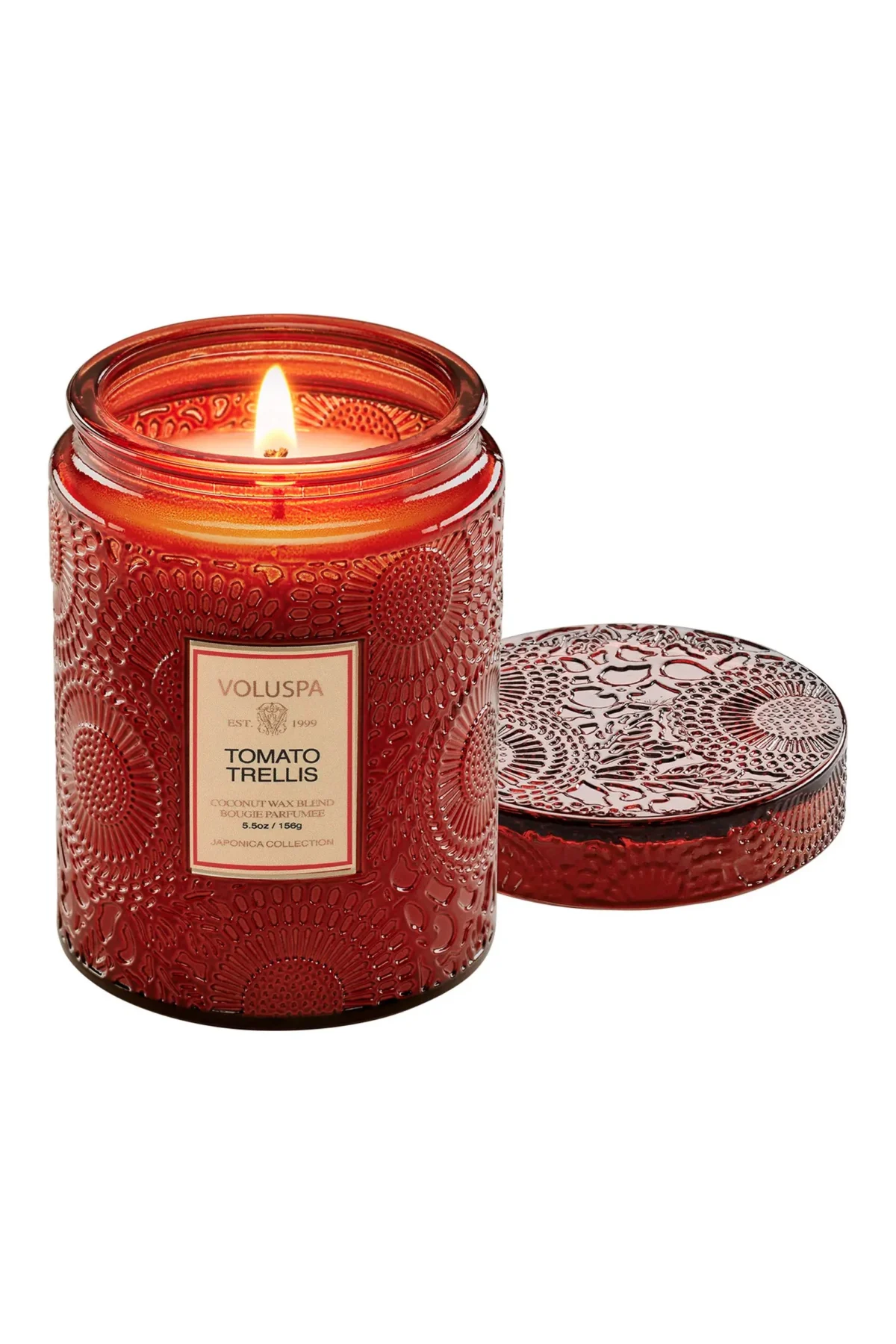
The home sector has embraced the trend through both olfactory and visual channels. Voluspa, a leader in the luxury candle market, recently introduced the "Tomato Trellis" scent. This product utilizes a complex aromatic profile, featuring bergamot, lemon, garden mint, rosemary, and Roma tomato leaf. Notably, the brand has integrated odor-neutralizing technology, positioning the candle as a functional tool for kitchen environments rather than a purely decorative item.
In the culinary space, the French heritage brand Staub has capitalized on the trend with its "Ceramic Petite Tomato Dish." As a brand known for durable cast-iron and stoneware, Staub’s move into produce-shaped ceramics represents a blend of heirloom quality and whimsical design. The dish is engineered to withstand temperatures up to 572 degrees Fahrenheit, illustrating that the trend is being applied to high-performance goods.

Beauty and Personal Care
The beauty industry has seen a resurgence in "juicy" and "glass-like" finishes, particularly in lip and nail categories. Korean beauty (K-beauty) brands, such as Lilybyred, have been at the forefront of this movement. Their "Bloody Liar Coating Tint" in the shade "Confident Cherry Tomato" offers a buildable formula that aligns with the current consumer preference for versatile makeup that can transition from a subtle stain to full-coverage color.
Established brands like Essie have also reinforced the trend with specific shade naming conventions, such as "Tomato Tohmato" from their Gourmet Grocery collection. This strategic naming helps consumers quickly identify products that align with the viral aesthetics they encounter online. Additionally, brands like about-face, founded by the artist Halsey, have introduced highly pigmented liquid blushes like "Pit Stop," which provide the warm, sun-flushed look central to the original Tomato Girl aesthetic.

Impact on Sustainable and Practical Household Goods
The trend has even permeated the market for sustainable household essentials. The Neighborgoods, a brand specializing in eco-friendly kitchenware, offers a "Tomato Dish Towel and Sponge Cloth Gift Set." The inclusion of a Swedish sponge cloth—a biodegradable and compostable alternative to paper towels—demonstrates how viral color trends can be used to promote sustainable consumer habits. By applying popular motifs to eco-friendly products, manufacturers can increase the mass-market appeal of green technologies.
Official Responses and Industry Analysis
While major fashion houses rarely issue formal statements on specific color trends, the actions of creative directors speak volumes. Trend analysts at WGSN have noted that the persistence of red is a reaction to the years of "Millennial Pink" and "Gen Z Green" that previously dominated the market.

"Red is a color of high energy and confidence," says an industry analyst. "In a post-pandemic retail environment, consumers are gravitating toward colors that feel assertive and optimistic. Tomato red, with its connection to nature and the outdoors, provides a sense of freshness that neutrals cannot match."
Furthermore, retail buyers have noted that the "Tomato Girl" trend has evolved into a more sophisticated "Mediterranean Minimalist" style. This shift is reflected in the materials being used: pebbled faux leather for jewelry storage, velvet linings, and hand-screen-printed cottons. These material choices elevate the trend from a fleeting social media moment to a legitimate category of high-quality consumer goods.

Broader Implications and Future Outlook
The return of tomato red highlights the increasing speed at which digital aesthetics influence traditional manufacturing cycles. However, it also demonstrates a counter-movement: the desire for "slow" aesthetics that feel grounded in history and nature.
As the industry moves toward the final quarter of the year, tomato red is expected to evolve once again. Designers predict the hue will deepen into richer maroons and burgundies as winter approaches, yet the warm, orange-based red will likely remain a staple for those seeking to maintain a sense of warmth in their personal style and home environments.

The success of these products during the Nordstrom Anniversary Sale and their continued presence in international street style suggest that tomato red is no longer just a "microtrend." It has become a validated color story that retailers will likely continue to exploit through 2025. For the consumer, this means a wider availability of bold, high-quality products that offer a departure from the muted tones of previous seasons, proving that the "Tomato Girl" has grown up and found a permanent place in the global market.

0 Comments