
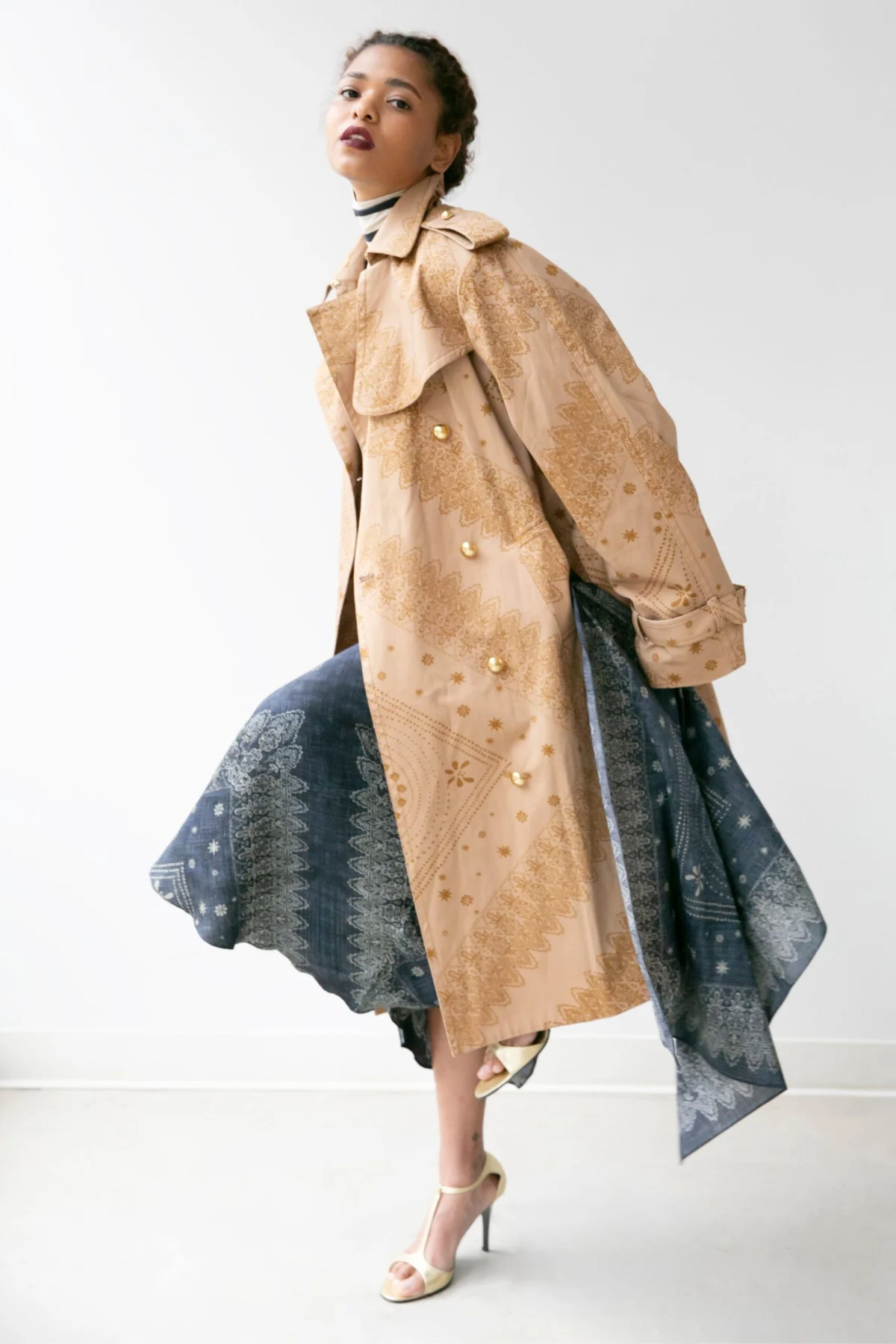
The Fall 2026 presentation from Hope for Flowers by Tracy Reese serves as a profound meditation on the enduring nature of style, merging historical reverence with a contemporary commitment to environmental stewardship. As the fashion industry continues to navigate a landscape caught between rapid trend cycles and a growing demand for ethical production, Reese’s latest collection arrives as a stabilizing force, prioritizing longevity and narrative depth. The collection is characterized by an intricate exploration of scarf dressing, nautical uniforms, and a poignant tribute to the aesthetics of Black women in the late 19th century, all underpinned by the designer’s signature use of vibrant, intentional prints.
A Synthesis of Print and Purpose
At the heart of the Fall 2026 collection is the concept that new trends do not necessarily necessitate the abandonment of established ones. Reese, a veteran of the American fashion scene known for her mastery of color and pattern, leaned heavily into "scarf dressing"—a style that utilizes the fluid drapes and ornate borders typical of silk foulards. For this season, she developed an array of custom prints that range from traditional paisleys and dense florals to sharp, modern geometrics.
A standout element of the collection is the "collectible curio" design. Hand-drawn by Reese herself, the print features the inscribed legend, "Look for the silver lining." This inclusion is not merely decorative; Reese noted that the phrase was born out of a collective social need for optimism. The sentiment reflects a broader industry shift toward "emotional utility" in clothing, where garments are expected to provide psychological comfort alongside physical coverage.
Technical execution remains a focal point, particularly in the application of an indigo and white bandana print. This motif was utilized across several silhouettes, most notably on a structured trench coat where the print was applied in varying tonal hues. This approach elevates a utilitarian staple into a piece of wearable art, demonstrating Reese’s ability to balance commercial viability with high-concept design.
Nautical Themes and the Evolution of the Uniform
The collection transitions from the fluid nature of scarf prints into a more structured, "uniform-inspired" segment. This portion of the line incorporates nautical elements, such as the marinière—the classic Breton striped top. However, true to her reputation as a "print mixer," Reese did not present these as standalone basics. Instead, she engineered two-in-one dresses where the striped knit tops are seamlessly connected to patterned, woven bodies.
This hybridity extends to the button-down shirts within the collection. Reese utilized the inner plackets of these shirts to hide subtle scarf prints, a detail that rewards the wearer’s close inspection. Many of these pieces also featured a newly designed "Hope for Flowers" monogram, signaling a move toward brand heritage and the establishment of "new classics." By blending the rigidity of nautical uniforms with the softness of foulard prints, the collection addresses a modern wardrobe need: the desire for professional attire that does not sacrifice personal expression.
Historical Research: Centering 19th-Century Black Womanhood
Perhaps the most significant intellectual contribution of the Fall 2026 collection is its inspiration source. Reese conducted extensive research into archival images of Black women from the late 1800s. This era, often overlooked in mainstream fashion history in favor of European Victorian standards, provided a rich blueprint for the collection’s silhouettes.
The influence of the late 19th century is visible in the collection’s structural details:
- Ruffled Collars and Smocked Sleeves: These elements provide a vintage texture that feels both romantic and authoritative.
- Bows and Form-Fitting Vests: The use of vest-like tops creates a sharp, tailored waistline that echoes the corsetry of the 1800s without the physical restriction.
- Romantic Florals: While florals are a staple for the Hope for Flowers brand, this season they are rendered with a darker, more autumnal palette that feels grounded in history.
By referencing this specific period, Reese contributes to a larger movement within the arts to reclaim and celebrate Black historical identity. The silhouettes serve as a bridge between the resilience of the past and the agency of the modern woman, suggesting that style is a continuous dialogue across generations.
Sustainability and Material Innovation
As an eco-conscious designer, Reese’s material choices are as critical as her aesthetic ones. The Fall 2026 collection continues her mission to reduce the fashion industry’s environmental footprint. A significant achievement this season was the procurement of high-quality, sustainable lace. Lace production is traditionally resource-intensive and often involves synthetic fibers that do not biodegrade; however, Reese identified a source that met her rigorous standards for both quality and ecological impact.
The commitment to sustainability is further reflected in the brand’s "Slow Fashion" philosophy. Reese stated during the collection’s debut that she intends for these pieces to "live in people’s wardrobes for as long as they want to wear them." This is a direct challenge to the "fast fashion" model that dominates the global market.
Market Context and Data:
According to recent industry reports, the global sustainable fashion market is expected to grow at a compound annual growth rate (CAGR) of 9.1% through 2030. Consumers, particularly in the luxury and contemporary segments, are increasingly prioritizing "cost-per-wear" and material provenance over low entry prices. Reese’s focus on durability and timeless silhouettes positions Hope for Flowers to capitalize on this shift in consumer behavior.
The Detroit Influence and Social Enterprise
Since relocating her headquarters to Detroit, Reese has transformed Hope for Flowers into more than just a clothing label; it is a social enterprise. The brand operates with a focus on community enrichment, providing jobs and training in a city with a storied history of manufacturing. The Fall 2026 collection reflects this "made-to-last" ethos that is often associated with Midwestern industrial heritage.
The brand’s presence in Detroit has also influenced its production timeline. By moving away from the frantic pace of traditional fashion capitals, Reese has the space to focus on the "curio" aspects of her designs—the hand-drawn elements and the meticulous print placements that define the Fall 2026 line. This localized approach allows for greater oversight of the supply chain, ensuring that every garment aligns with the brand’s ethical pillars.
Industry Implications: The Shift Toward Longevity
The reception of the Fall 2026 collection among industry analysts suggests a growing appreciation for designers who resist the pressure of constant reinvention. In an era where digital trends can rise and fall within a single week, Reese’s decision to refine existing themes—like scarf dressing—is seen as a strategic move toward brand stability.
Analysis of Implications:
- Brand Loyalty: By creating "collectible" pieces like the "silver lining" print, Reese fosters a deeper emotional connection with her clientele, encouraging brand loyalty that transcends seasonal trends.
- Narrative-Driven Design: The integration of 19th-century historical research adds a layer of intellectual value to the garments, making them more attractive to a demographic that views fashion as a form of cultural storytelling.
- Economic Resilience: As supply chains remain volatile, a focus on timeless designs and sustainable materials can mitigate the risks associated with overproduction and unsold inventory.
Conclusion: A Vision of Lasting Beauty
Tracy Reese’s Fall 2026 collection for Hope for Flowers is a testament to the power of thoughtful design. By looking backward to the 1800s and forward toward a sustainable future, Reese has created a body of work that feels both urgent and eternal. The collection’s emphasis on "silver linings," historical reclamation, and environmental responsibility offers a blueprint for what modern American fashion can achieve when it is led by purpose rather than mere profit.
As these pieces move from the presentation floor to the wardrobes of consumers, they carry with them a message of resilience. In Reese’s world, a garment is not a disposable commodity but a vessel for history, a tool for optimism, and a commitment to the planet. The Fall 2026 collection ensures that the Hope for Flowers legacy remains rooted in the idea that true beauty is that which is built to last.

0 Comments