
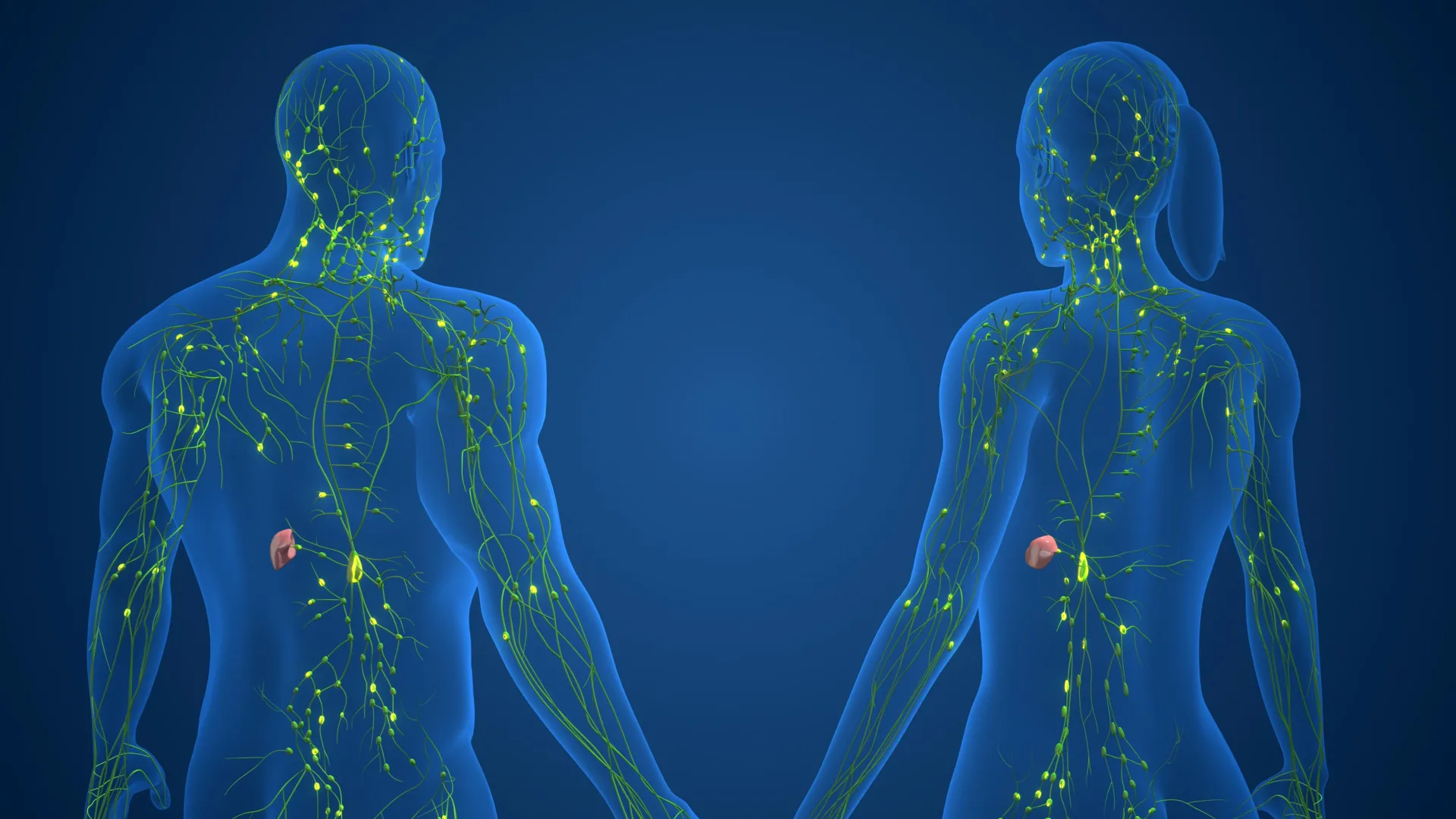
Women are diagnosed with autoimmune diseases at rates significantly higher than men, a stark disparity that has long puzzled the medical community. Conditions like systemic lupus erythematosus (SLE), where the immune system mistakenly attacks the body’s healthy tissues, can affect women up to nine times more frequently than men. While hormonal influences have been suspected, the underlying genetic architecture driving this striking difference has remained largely elusive. Now, groundbreaking research from the Garvan Institute of Medical Research and UNSW Sydney is shedding new light on this critical question, identifying over 1,000 genetic switches that exhibit sex-specific behavior within immune cells and offering a compelling biological explanation for this profound disparity.
A Deeper Dive into Immune System Sex Differences
The research, published in the esteemed American Journal of Human Genetics, leverages cutting-edge single-cell technology to dissect the intricate workings of the human immune system at an unprecedented level of detail. Historically, studies examining sex differences in immunity were hampered by the limitations of “bulk” blood analysis, which averaged cellular activity across vast populations of cells. This approach, akin to listening to a crowded room where individual voices are lost in the general din, often obscured subtle yet crucial variations in the behavior of specific immune cell types.
The advent of single-cell sequencing has revolutionized this field. By analyzing the genetic material of individual immune cells, researchers can now discern nuanced differences that were previously invisible. This study represents one of the most extensive investigations to date, meticulously sequencing the genetic profiles of over 1.25 million peripheral blood mononuclear cells – the crucial immune cells circulating in our bloodstream – drawn from nearly 1,000 healthy individuals. This extensive dataset, part of the Australian OneK1K cohort initiative designed to explore the genetic underpinnings of immune cell diversity across a large population, has provided an unparalleled window into sex-based immune system variations.
Unveiling Distinct Cellular Profiles
The comparative analysis of the cellular profiles from male and female participants revealed clear and significant divergences. Male immune systems, for instance, demonstrated a higher proportion of monocytes, the rapid-response units of the immune system that act as early sentinels against invading pathogens. Furthermore, the gene activity in male immune cells was observed to be more intensely focused on fundamental cellular maintenance and the production of essential proteins, suggesting a robust and foundational operational status.
In contrast, female immune cells exhibited a greater abundance of B cells, which are responsible for producing antibodies, and regulatory T cells, crucial for moderating immune responses and preventing overactivity. More significantly, the immune cells in females displayed markedly higher genetic activity associated with inflammatory pathways. This heightened inflammatory potential, while offering an advantage in combating viral infections and other immediate threats, comes with a significant biological trade-off: an increased predisposition to autoimmune diseases.
Dr. Sara Ballouz, a co-senior author of the study and Senior Lecturer at UNSW, elaborated on this dynamic: "While this highly reactive immune profile gives females an advantage in fighting viral infections, it comes with a biological trade-off: a greater predisposition to autoimmune diseases. On the other hand, male immune cells are less primed for inflammation, making men generally more susceptible to infections and non-reproductive cancers." This finding underscores a fundamental principle in immunology: a more reactive immune system, while offering enhanced protection against external threats, can also increase the likelihood of “friendly fire” incidents where the body’s defenses mistakenly target its own healthy tissues.
The Significance of Genetic Switches Beyond Sex Chromosomes
A key breakthrough of the research lies in the identification of over 1,000 sex-specific genetic switches, known as expression quantitative trait loci (eQTLs). These switches act as regulatory mechanisms, akin to volume controls for genes, dictating the intensity with which particular genes are activated or suppressed. Previous assumptions often attributed sex differences in immunity primarily to the influence of the X and Y sex chromosomes. However, this study challenges that notion.
The researchers found that the majority of these sex-specific genetic switches were not concentrated on the sex chromosomes but rather on autosomes – the non-sex chromosomes that are shared by both males and females. This discovery is pivotal, suggesting that the genetic basis for sex differences in immunity is far more complex and widespread than previously understood, involving a broad network of regulatory elements distributed across the genome.
Illuminating the Genetic Roots of Lupus
The identification of these sex-specific genetic controls has direct implications for understanding specific autoimmune diseases. The research team pinpointed particular genetic variants that significantly influence the expression of two genes known to be linked to systemic lupus erythematosus (SLE). These variants appear to drive higher activity of these genes in females, offering a compelling genetic explanation for why lupus is so much more prevalent in women.
While genetics is not the sole determinant of autoimmune disease risk, with hormones and environmental factors also playing crucial roles, these identified genetic differences establish a distinct biological starting point. This foundational genetic blueprint can predispose individuals to certain conditions, influencing their susceptibility throughout their lives.
Dr. Ballouz further emphasized the significance of this finding: "This is the first time we have shown that these differences occur at the genetic control level, providing a new layer of insight into human immunity. Having shown that female-biased genes are heavily enriched in inflammatory pathways, we now have another biological rationale for why the immune system can more easily mistakenly attack the body’s own tissues in women."
Implications for Precision Medicine and Treatment
The ramifications of this research extend beyond fundamental scientific understanding, holding significant promise for the development of more personalized and effective treatments for autoimmune conditions. Current therapeutic approaches for autoimmune diseases often involve broad immunosuppression, which can have widespread side effects and may not be equally effective for all patients.
By elucidating the distinct genetic pathways that underpin male and female immune responses, this study paves the way for a future where treatments can be precisely tailored to a patient’s specific disease profile, rather than employing a one-size-fits-all strategy. This could lead to more targeted therapies that address the root causes of autoimmune diseases in a sex-specific manner, potentially improving efficacy and reducing adverse reactions.
Dr. Seyhan Yazar, the first author of the study and a Conjoint Lecturer at UNSW Sydney, stressed the importance of this paradigm shift: "Our findings add strong evidence that female and male autoimmune diseases may not be the same, and the way we should treat them may not necessarily be the same. Currently, clinicians rely on a one-size-fits-all management approach for most autoimmune diseases — a more inclusive approach is needed."
Professor Joseph Powell, a co-senior author and Director of Garvan’s Translational Genomics Program, echoed this sentiment, highlighting the imperative for a more nuanced approach to medical research and treatment: "If we want to realize the potential of precision medicine, we have to understand these fundamental biological variables. Treatments need to be tailored not just to the disease, but to how a patient’s immune system operates at a baseline genetic level."
This research marks a significant step forward in our understanding of immune system sex differences and their profound impact on health and disease. By unraveling the complex genetic landscape, scientists are moving closer to a future where treatments for autoimmune diseases are not only more effective but also more precisely aligned with the unique biological makeup of each individual. The implications for millions of people worldwide living with these often debilitating conditions are substantial, offering hope for improved outcomes and a more personalized approach to their care. The ongoing efforts to incorporate sex as a biological variable in medical research are proving to be not just academically significant, but critically important for advancing human health.

0 Comments