
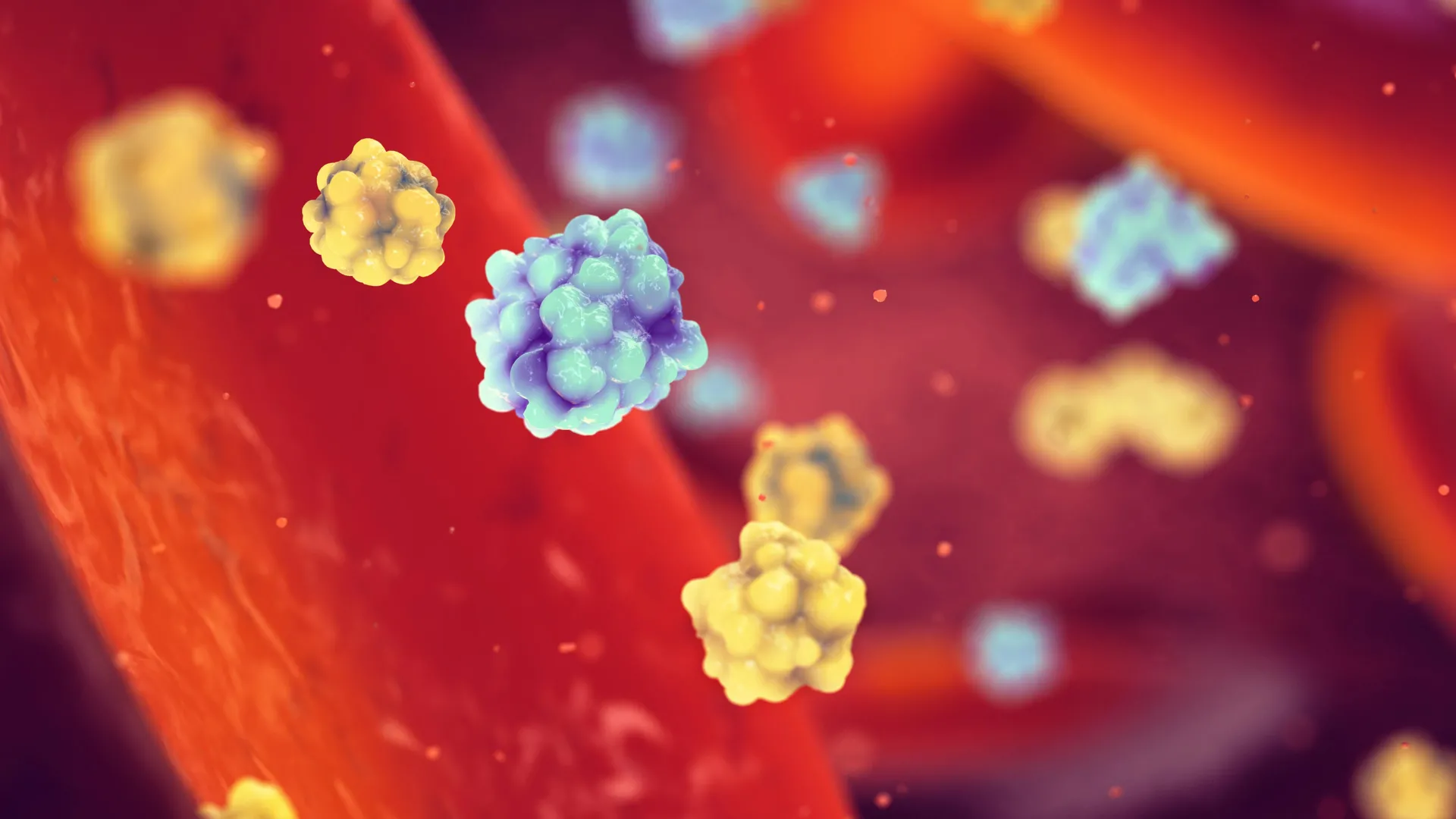
The intricate dance of proteins within our cells, akin to the precise folds required for an origami masterpiece, is fundamental to life. Proteins must contort into specific three-dimensional shapes to perform their vital functions. When this delicate process falters, particularly as prediabetes inches towards full-blown diabetes, a cellular crisis can unfold. Misfolded and defective proteins begin to accumulate, generating cellular stress that can ultimately devastate the pancreatic beta cells, the very architects of insulin production.
In a significant stride toward understanding this complex cellular breakdown, researchers from Sanford Burnham Prebys Medical Discovery Institute and the University of Michigan have unveiled groundbreaking details about the coordination of protein folding within these critical insulin-producing cells. Their findings, published on June 1, 2026, in the esteemed journal Proceedings of the National Academy of Sciences, illuminate not only how beta cells manage the precise folding of insulin precursors but also the catastrophic consequences when this intricate system is disrupted. The implications are profound, suggesting a promising avenue for therapeutic intervention by bolstering the cellular machinery responsible for maintaining protein integrity.
The Escalating Burden on Beta Cells
Pancreatic beta cells, nestled within the islets of Langerhans, act as sophisticated sensors of the body’s blood glucose levels. Upon detecting a rise in glucose, they spring into action, releasing insulin. This vital hormone then facilitates the uptake of glucose by tissues, thereby restoring blood sugar to a healthy equilibrium. However, in the relentless progression of diabetes, these hardworking beta cells find themselves increasingly overwhelmed, struggling to meet the escalating demands of the body.
Prior research had already cast a spotlight on the misfolding of proinsulin, the immediate precursor to insulin, as a significant contributor to this decline. It was known that improperly folded proinsulin accumulates during diabetes, placing a heavy burden on beta cells. Yet, the precise network of auxiliary proteins that govern this critical process and their collaborative mechanisms remained elusive.
Dr. Randal J. Kaufman, a distinguished professor in the Center for Metabolic and Liver Diseases at Sanford Burnham Prebys and the senior and corresponding author of the study, elaborated on the previous understanding. "We knew that the system for preventing proinsulin misfolding depended on a chaperone protein called binding immunoglobulin protein (BiP) and a number of cochaperones," he stated. "Our goal was to examine how these partner proteins coordinate proinsulin folding and remove any misfolded mistakes, as these steps are essential for the health of insulin-producing cells."
Illuminating Protein Interactions: The Role of BiP and its Partners
To delve deeper into the interactions involving BiP, the research team ingeniously engineered mice. These mice were genetically modified to incorporate a distinctive peptide tag – specifically, three copies of an eight-amino-acid sequence known as a 3xFLAG-tag – onto the BiP protein within their beta cells. This added marker served as a molecular beacon, a highly sensitive signal that allowed scientists to meticulously track and isolate BiP with unprecedented ease during their experiments. This innovative approach provided a clearer vantage point from which to observe the dynamic cellular environment.
The results of this meticulous investigation pointed to a particularly pivotal role for p58IPK, one of BiP’s key cochaperone proteins. This protein emerged as a crucial player in the complex choreography of protein folding.
The Criticality of p58IPK in Proinsulin Folding
When researchers genetically engineered two distinct cell lines to be devoid of p58IPK, a stark and concerning observation was made: the accumulation of misfolded proinsulin surged dramatically. This indicated that without p58IPK, the cell’s ability to manage and clear improperly folded proteins was severely compromised.
Further corroborating these findings, experiments conducted on mice engineered to lack the production of p58IPK yielded strikingly similar evidence. Their beta cells exhibited a marked reduction in the synthesis of both proinsulin and, consequently, mature insulin. This direct correlation underscored the indispensable nature of p58IPK in maintaining adequate insulin production.
A Symbiotic Relationship: BiP and p58IPK in Concert
The research team then embarked on a crucial step to validate their findings: they reintroduced p58IPK into one of the modified cell lines that had previously lacked it. The outcome was a significant restoration of cellular function. The reintroduction of this protein markedly improved the cells’ capacity to correctly fold and efficiently transport proinsulin, leading to a discernible decrease in the buildup of misfolded copies.
However, a critical caveat emerged from these experiments. While p58IPK played a vital supportive role, it could not fully compensate for the absence of BiP. The observed improvements in proinsulin folding and transport were contingent upon the presence of BiP; without it, p58IPK‘s restorative effects were significantly diminished.
Intrigued by this dependency, the investigators explored whether augmenting BiP levels could, in turn, mitigate the detrimental effects of p58IPK deficiency. Their experiments revealed that cells producing an excess of BiP but lacking p58IPK demonstrated only modest improvements in proinsulin folding and its subsequent cellular export. The most substantial gains in cellular efficiency were observed when both BiP and p58IPK were present at their normal, physiological levels, highlighting their synergistic partnership.
Dr. Insook Jang, a staff scientist in the Kaufman lab and the lead author of the manuscript, drew an insightful analogy to describe this crucial interplay. "Like a single tennis player trying to play a doubles match, we found that BiP cannot just go it alone in maintaining the proper folding of proinsulin," she explained. This vivid comparison effectively illustrates that while BiP is central to the process, it requires the coordinated support of its partners to function optimally.
Beyond BiP and p58IPK, the investigators also identified additional partner proteins that contribute to the intricate pathways of folding, transporting, detecting, and managing misfolded proinsulin. The precise influence of these newly identified proteins on insulin production and the trajectory of diabetes progression warrants further extensive investigation.
"Our studies highlight that proinsulin folding is vulnerable to many of the same cellular stresses that cause beta cell failure in type 2 diabetes," Dr. Kaufman emphasized, drawing a direct link between the fundamental protein-folding mechanisms and the broader pathology of type 2 diabetes.
A Paradigm Shift in Diabetes Treatment Strategies?
The current landscape of diabetes management primarily focuses on alleviating symptoms and controlling blood glucose levels rather than addressing the root cause of beta cell dysfunction. Most existing diabetes medications are designed to enhance glucose uptake by peripheral tissues or to stimulate the pancreas to release more insulin. While effective in managing hyperglycemia, these approaches do not directly rectify the underlying protein-folding abnormalities that contribute to beta cell failure. Crucially, no current therapies are specifically designed to improve proinsulin folding as a means of preserving the health and function of these vital insulin-producing cells.
This new research opens a compelling new chapter in the quest for innovative diabetes treatments. "If we can learn how to influence the coordinated activity of BiP as a key regulator of proinsulin folding, we may find a promising treatment strategy for intervening early to prevent or reduce damage to insulin-producing cells," Dr. Kaufman articulated, pointing towards a future where therapies could proactively safeguard beta cell integrity.
The implications of this discovery are far-reaching. By understanding the intricate molecular machinery that governs proinsulin folding and identifying key players like BiP and p58IPK, scientists may be able to develop novel therapeutic interventions. These interventions could potentially target the early stages of diabetes, before irreversible damage to beta cells occurs, offering a proactive approach to disease prevention and management. This could represent a significant paradigm shift, moving beyond symptom management to addressing the fundamental cellular defects that drive the disease.
The research team included Alec Duffey and Pamela Itkin-Ansari from Sanford Burnham Prebys and Peter Arvan from the University of Michigan. Their work was generously supported by grants from the National Institutes of Health, specifically the National Institute of Diabetes and Digestive and Kidney Diseases, the National Cancer Institute, and Breakthrough T1D (formerly JDRF). This collaborative effort underscores the multifaceted nature of scientific inquiry and the vital role of sustained funding in advancing our understanding of complex diseases like diabetes.

0 Comments