
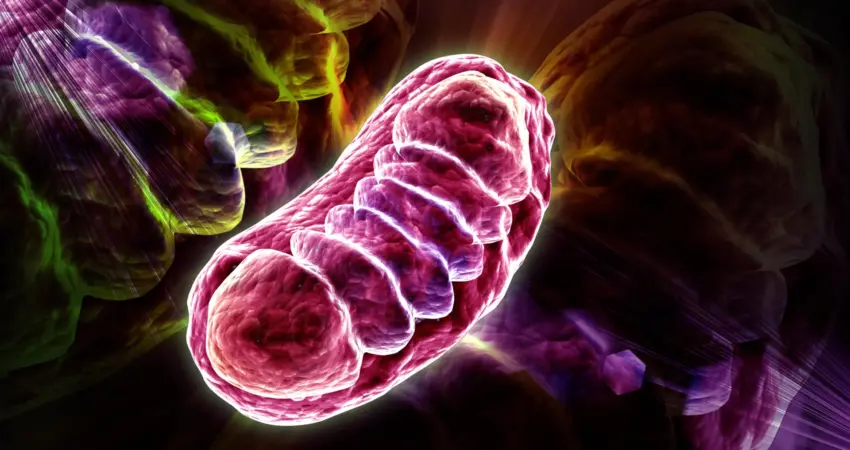
Scientists have uncovered a surprising and potentially far-reaching mechanism by which viruses can compromise the intricate workings of human cells. A groundbreaking study, spearheaded by researchers at the Texas A&M College of Veterinary Medicine and Biomedical Sciences (VMBS), reveals that an overabundance of RNA, a fundamental molecule of life, can directly damage mitochondria—the vital cellular powerhouses responsible for generating energy. This discovery not only sheds new light on viral pathogenesis but also opens avenues for understanding age-related diseases and refining RNA-based medical interventions, including the rapidly advancing field of mRNA vaccines.
The Delicate Balance of RNA and Cellular Health
At the heart of this discovery lies the intricate process of RNA degradation, a cellular housekeeping function that scientists have long understood as crucial for regulating protein synthesis and clearing out faulty genetic material. However, the new research, published in the prestigious journal Proceedings of the National Academy of Sciences, posits an additional, critical role for this cellular cleanup crew: safeguarding the cell’s energy supply.
"Scientists have long known that RNA degradation helps control protein production and remove defective RNA," explained Dr. Zhilong Yang, a distinguished professor in VMBS’ Department of Veterinary Pathobiology and a senior author on the study. "Our study reveals another important role: it helps cells maintain the energy they need to function properly. This fundamentally shifts our understanding of how cellular health is maintained."
Cells are in a constant state of flux, actively producing and dismantling RNA molecules. Messenger RNA (mRNA), for instance, acts as a crucial intermediary, carrying genetic blueprints from DNA to ribosomes, where they are translated into proteins essential for virtually every cellular function, from structural integrity to intricate biochemical reactions. Another form, double-stranded RNA (dsRNA), frequently emerges during viral infections, serving as a potent alarm signal to the immune system.
Viruses, by their very nature, are prolific RNA producers. As they hijack cellular machinery to replicate, they churn out vast quantities of viral RNA. While healthy cells possess robust mechanisms to manage and degrade excess RNA, a critical threshold can be breached when viral replication outpaces these cleanup efforts. The consequence, as this study demonstrates, is a detrimental impact on mitochondria.
Beyond the Immune Alarm: Direct Mitochondrial Damage
The prevailing understanding had been that the damage caused by excess viral RNA was primarily an indirect consequence of the immune system’s robust response. When the immune system detects viral presence, often heralded by the appearance of dsRNA, it mounts an inflammatory defense. This response, while protective, can also be taxing on the cell.
However, the Texas A&M researchers were surprised to find that the detrimental effects on mitochondria were not solely mediated by immune activation. Their experiments revealed a more direct and insidious form of interference.
"Initially, the team suspected that RNA buildup was damaging these cellular powerhouses indirectly by activating the immune system," stated Dr. Djamal Brahim Belhaouari, the study’s first author. "Certain types of RNA are known to trigger defensive responses, which can place additional stress on infected cells. However, experiments revealed that the damage did not require an immune response."
In a pivotal moment, the researchers isolated mitochondria and introduced RNA directly. "When we isolated only the mitochondria and added RNA, we still saw mitochondrial damage," Dr. Belhaouari recounted. "That was the moment we realized this could be a previously unknown cellular response to RNA."
Further investigations confirmed this hypothesis. Mitochondrial dysfunction was observed to precede significant immune activation, and the damage did not rely on the specific immune pathways typically engaged during viral infections. This strongly indicated that excess RNA itself, regardless of immune involvement, possesses the capacity to disrupt mitochondrial function.
The study suggests a plausible mechanism involving the electrical properties of RNA. Mitochondria generate ATP, the cell’s primary energy currency, by meticulously maintaining an electrochemical gradient across their inner membranes. RNA molecules carry a net negative electrical charge. The researchers hypothesize that when an overwhelming accumulation of RNA occurs in proximity to mitochondria, these negatively charged molecules may interfere with and disrupt the delicate electrical balance required for efficient ATP synthesis.
"We think the negatively charged RNA may accumulate around mitochondria and disrupt the electrical balance needed for energy production, although how it happens is unknown," Dr. Yang elaborated. "This is a new concept that we are continuing to explore."
Implications for Viral Survival and Host Defense
This newfound understanding of RNA’s direct impact on mitochondria presents an intriguing paradox for viruses. While they depend entirely on host cell machinery for their survival and replication, their own prolific RNA production can inadvertently damage the very energy-generating systems they need to function.
The study highlights poxviruses, a family that includes the viruses responsible for smallpox and mpox, as having evolved sophisticated strategies to navigate this challenge. These viruses appear to employ their own advanced RNA cleanup mechanisms, effectively managing excess RNA levels within the infected cell. This ensures that the host cell’s mitochondria remain functional enough to support viral replication.
"If the cell is not healthy, the virus would not replicate well," Dr. Yang emphasized. "The virus needs to keep RNA levels balanced inside the cell." This delicate balancing act underscores the complex co-evolutionary relationship between viruses and their hosts.
Broader Relevance: Aging, Disease, and Therapeutic Design
While the initial focus of the research was on viral infections, the implications of these findings extend far beyond the realm of virology. Abnormal RNA accumulation has been implicated in a growing number of human health conditions, including various forms of cancer, neurodegenerative diseases like Alzheimer’s and Parkinson’s, and other disorders associated with the aging process.
Mitochondrial dysfunction is a common hallmark of cellular aging and is increasingly recognized as a key contributor to the pathogenesis of many age-related diseases. The discovery that excess RNA can directly impair mitochondrial energy production suggests a novel pathway through which cellular aging and disease might progress.
"We think this has quite broad translational implications," commented Dr. Brahim Belhaouari. "Too much double-stranded RNA or mRNA that cannot be degraded effectively may contribute to disease processes in some contexts." The research team is now keen to explore the extent to which this RNA-induced mitochondrial stress contributes to these diverse pathologies.
Furthermore, the study holds significant promise for the burgeoning field of RNA-based therapeutics and vaccines. Technologies such as mRNA vaccines, which have revolutionized infectious disease prevention, rely on delivering precise RNA instructions into cells. A comprehensive understanding of how cells process and respond to these RNA molecules, particularly when present in high concentrations, is paramount for optimizing their efficacy and safety.
"Understanding this mechanism could help researchers design and optimize future RNA-based therapeutics and vaccines by better understanding how cells respond to large amounts of RNA," Dr. Yang stated. While the study does not suggest that current mRNA vaccines cause mitochondrial damage in humans, it provides critical insights that could inform the development of next-generation RNA medicines. The findings may guide strategies to ensure efficient RNA delivery and clearance, thereby minimizing potential unintended cellular consequences.
A Fundamental Lesson: When Abundance Becomes Harmful
The most striking revelation from this research may be the fundamental lesson it imparts: even molecules that are indispensable for cellular life, like mRNA, can become detrimental when their levels surge uncontrollably.
"Scientists already knew that too much double-stranded RNA can be harmful," Dr. Yang reiterated. "What surprised us was finding out that too much mRNA—something cells normally need every day—can also damage mitochondria and interfere with the cell’s ability to produce energy."
This work underscores the exquisite sensitivity of cellular processes and the critical importance of maintaining strict regulatory control over molecular abundance. It highlights that the body’s internal environment is a finely tuned system where even essential components, when present in excess, can trigger unexpected and harmful cascades.
The research was supported, in part, by grants from the National Institute of Allergy and Infectious Diseases (R01AI143709 to Z.Y.) and Texas A&M University. The content reflects the sole responsibility of the authors and does not necessarily represent the official views of the National Institutes of Health. Future investigations will undoubtedly build upon this foundational discovery, seeking to unravel the precise molecular mechanisms of RNA-induced mitochondrial damage and to translate these insights into tangible improvements in human health.

0 Comments