
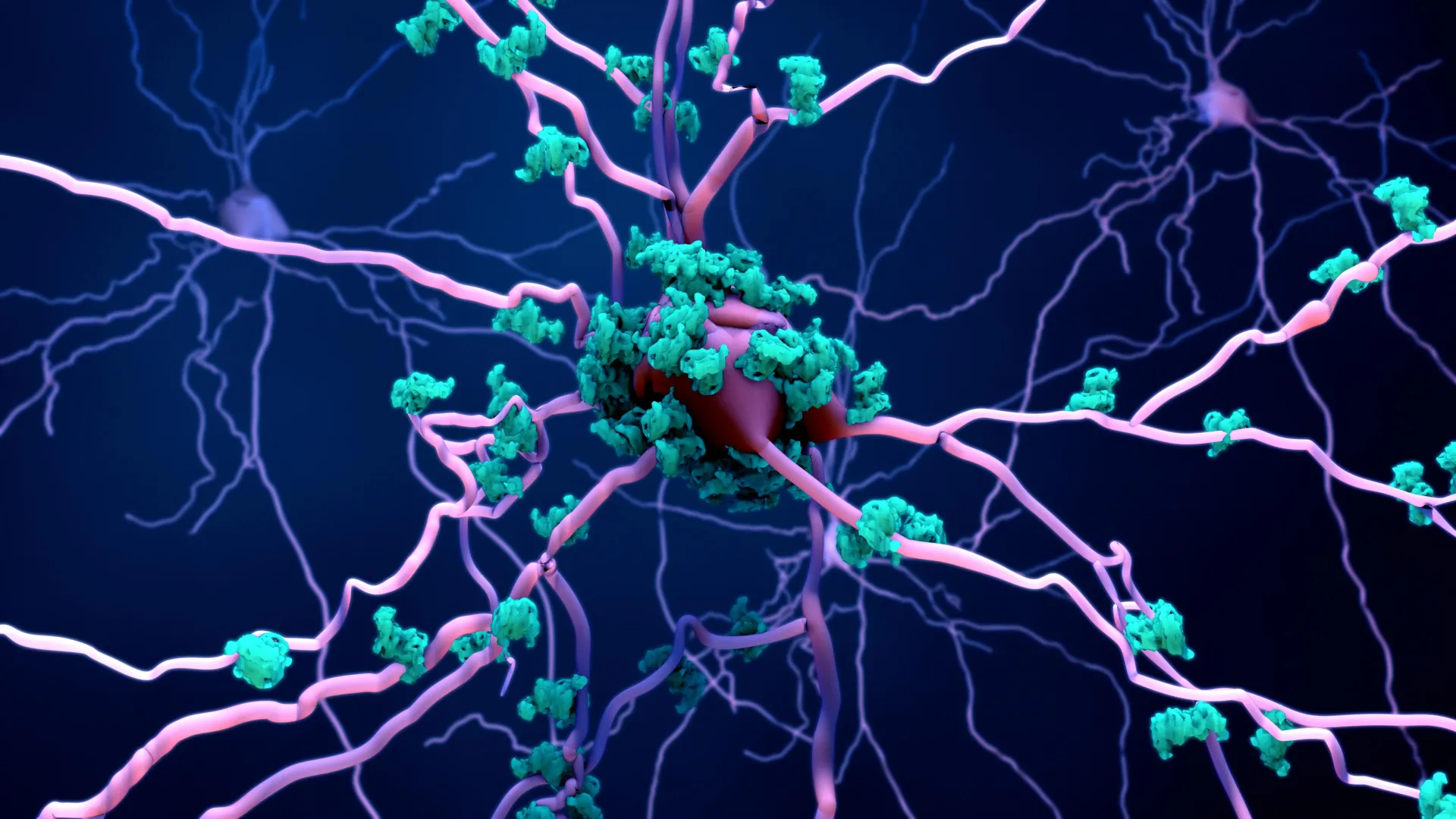
Scientists have identified evidence of a previously unknown process that may explain how brain cells die in Alzheimer’s disease and frontotemporal dementia (FTD). The discovery, centered on a mechanism known as karyoptosis, could point researchers toward new ways to slow the progression of these devastating conditions. This groundbreaking research, emerging from a decade-long investigation, sheds new light on the complex cellular events underpinning neurodegeneration, offering a potential pathway to novel therapeutic interventions for millions affected worldwide.
The Long-Standing Mystery of Neuron Loss
For decades, the scientific community has grappled with the fundamental question of why brain cells, or neurons, progressively die in neurodegenerative diseases like Alzheimer’s disease (AD), frontotemporal dementia (FTD), and amyotrophic lateral sclerosis (ALS). A hallmark of these conditions is the accumulation of misfolded or toxic proteins within neurons. These cellular insults are widely understood to trigger a cascade of damaging events, ultimately leading to cell death and the debilitating symptoms associated with these disorders, including memory loss, cognitive decline, and behavioral changes.
While several well-established forms of programmed cell death, such as apoptosis, have been extensively studied, they have not fully accounted for the extensive and widespread neuronal loss observed in many neurodegenerative conditions. This gap in understanding has presented a significant hurdle for developing effective treatments. The identification of karyoptosis offers a compelling explanation for this long-standing enigma, providing a missing link between the toxic protein aggregates and the ultimate demise of brain cells.
King’s College London Leads the Charge in Uncovering Karyoptosis
The pivotal discovery was made by researchers at King’s College London, in collaboration with the UK Dementia Research Institute and with crucial support from Alzheimer’s Research UK. Their extensive work, spanning a considerable period, has culminated in the identification of karyoptosis as a significant contributor to neuronal death in AD and FTD.
Karyoptosis, a term derived from Greek words meaning "nucleus" and "falling," describes a specific cellular process initiated by the accumulation of toxic proteins. Unlike apoptosis, which involves a more controlled dismantling of the cell, karyoptosis is characterized by a dramatic and distinct alteration of the cell’s nucleus. As the toxic protein burden increases, a series of chemical reactions are triggered that lead to the gradual shrinkage and eventual disintegration of the nucleus, the cell’s command center containing its vital genetic material. This catastrophic breakdown of the nucleus appears to be a key driver of neuronal demise in these diseases.
Unveiling Karyoptosis: A Decade of Research
The journey to identifying karyoptosis as a common feature of dementias began over ten years ago with initial observations in less common neurological disorders. The researchers at King’s College London systematically investigated the different mechanisms of cell death occurring in brain tissue affected by neurodegenerative diseases. This meticulous approach, involving the analysis of thousands of cells, has now confirmed that karyoptosis is not an isolated phenomenon but rather a prevalent process in conditions affecting millions.
Evidence of Karyoptosis in Alzheimer’s and FTD Brains
The compelling evidence for karyoptosis was published in the prestigious scientific journal Nature Communications. The study involved a comprehensive analysis of approximately 3,000 individual brain cells meticulously collected from 28 individuals diagnosed with either FTD or end-stage Alzheimer’s disease. Employing sophisticated computational algorithms, the research team was able to distinguish between various forms of cell death occurring within the diseased brain tissue.
The results were striking. The researchers found clear signs of karyoptosis in a significant proportion of cells – 35 percent – within the frontal cortex of individuals with Alzheimer’s disease. This is in stark contrast to the much lower incidence of 15 percent observed in brain cells from healthy older adults. Similarly, preliminary analyses of FTD brain tissue also indicated elevated levels of karyoptosis, suggesting a broad involvement of this cell death pathway in common dementias.
"This study is the culmination of a 10-year journey at King’s, from when we first identified karyoptosis in a relatively rare disease to discovering that it is a common feature of dementias which affect millions of people," stated Dr. Manolis Fanto, a Reader in Functional Genomics at the Institute of Psychiatry, Psychology and Neuroscience, King’s College London, and a senior author on the paper. This prolonged dedication underscores the complexity of neurodegenerative research and the significance of this breakthrough.
Decoding the Molecular Machinery of Karyoptosis
Beyond identifying its presence, the research team delved deeper into the molecular mechanisms that orchestrate karyoptosis. They successfully uncovered a critical molecular pathway that appears to govern this destructive process. The research indicates that the forced aggregation of proteins within neurons, a defining characteristic of many neurodegenerative diseases, acts as a potent trigger for karyoptosis.
The study’s findings suggest that the destabilization of the nuclear membrane, a protective barrier surrounding the cell’s genetic material, is a pivotal event. As toxic proteins accumulate, they compromise the integrity of this membrane, causing it to shrink and eventually disintegrate. This breakdown of the nucleus is the defining feature of karyoptosis.
The researchers then focused their attention on specific proteins known as kinases. Kinases function as molecular switches, regulating a myriad of cellular processes through the addition of phosphate groups to other proteins. In this context, the team identified kinases that play a crucial role in initiating and propagating the karyoptosis pathway.
In carefully controlled laboratory experiments utilizing rat neurons, the researchers demonstrated that by blocking these specific kinase "switches," they could significantly reduce the markers associated with karyoptosis. This crucial observation pointed towards specific molecular targets for therapeutic intervention. Notably, the interaction between a particular kinase, p38 MAP kinase, and a protein called LaminB1 emerged as a particularly promising target. LaminB1 is a key component of the nuclear lamina, a structural framework that supports the nucleus. Disrupting the interaction between p38 MAP kinase and LaminB1 appears to be a critical step in preventing the breakdown of the nucleus.
A New Horizon for Dementia Therapies
The discovery of this molecular pathway opens up exciting new avenues for the development of therapies aimed at slowing or halting the progression of brain cell loss in dementia. By targeting the interaction between p38 MAP kinase and LaminB1, scientists may be able to preserve the integrity of the nucleus and prevent neuronal death.
"By specifically targeting the interaction between p38 MAP kinase and LaminB1 we may slow down the process of cell death, buying time for more pinpointed therapies against specific neurodegenerative diseases," explained Dr. Fanto. This strategic approach could offer a crucial window of opportunity for other treatments to act, potentially leading to more effective disease management.
The immediate next step for the research team is to translate these laboratory findings into potential human therapies. Developing ways to selectively target the interaction between p38 MAP kinase and LaminB1 in humans presents a significant but achievable goal. Such targeted interventions could offer a more precise approach to combating neurodegeneration compared to broader therapeutic strategies.
Charting the Course for Future Treatments
The implications of this research extend far beyond the immediate therapeutic possibilities. The identification of karyoptosis provides a fundamental new understanding of how brain cells die in some of the most prevalent and devastating neurological conditions. This deeper understanding is essential for developing comprehensive strategies to combat dementia.
Dr. Rebecca Casterton, a Senior Researcher at the UK Dementia Research Institute at King’s and the first author of the paper, emphasized the significance of this discovery: "The death and loss of cells in the brain drives many symptoms experienced by people living with dementia. Our study uncovers a new series of chemical events which can coordinate cell death in brain cells. We have started to lay out the road map of how karyoptosis works, and I’m excited to see future breakthroughs this may drive in the dementia research community and beyond."
The research team’s meticulous charting of the karyoptosis pathway serves as a vital roadmap for future investigations and drug development efforts within the broader dementia research community.
A Beacon of Hope for Patients and Families
For individuals and families affected by Alzheimer’s disease and FTD, this discovery offers a renewed sense of hope. The persistent challenge of understanding and treating these conditions has been a source of profound concern and frustration.
Dr. Sara Rodrigues, Senior Research Manager at Alzheimer’s Research UK, highlighted the critical importance of this scientific advancement: "For decades, we’ve known that toxic proteins build up in Alzheimer’s disease and frontotemporal dementia, but exactly how they lead to the loss of brain cells has remained unclear. The identification of karyoptosis is a crucial step towards finding targets for treatments that could stop or slow cell loss. It could help widen the window for therapies that tackle the underlying causes of disease, bringing us closer to a cure for dementia. This is why Alzheimer’s Research UK funds and supports research."
Alzheimer’s Research UK’s continued commitment to funding fundamental research like this underscores its belief in the power of scientific discovery to transform the landscape of dementia care and ultimately find a cure.
Broader Impact and Future Directions
The publication of the study, titled "Karyoptosis mediates cell death and neurodegeneration upon proteotoxic stress," in Nature Communications marks a significant milestone in neurodegenerative research. The work was primarily funded by Alzheimer’s Research UK and the Biotechnology and Biological Sciences Research Council International Partnership, with additional support from a studentship provided by the UK Medical Research Council and the UK Dementia Research Institute. This collaborative effort demonstrates the power of multidisciplinary and well-funded research in tackling complex scientific challenges.
The identification of karyoptosis represents a paradigm shift in our understanding of neurodegeneration. While much work remains, this discovery provides a tangible and promising target for developing new therapies. Future research will likely focus on:
- Further Elucidating the Karyoptosis Pathway: Detailed investigation into the upstream triggers and downstream consequences of karyoptosis across different neurodegenerative diseases.
- Developing Targeted Inhibitors: Designing and testing drug candidates that specifically block the interaction between p38 MAP kinase and LaminB1, or other key components of the karyoptosis pathway.
- Translational Studies: Moving from preclinical models to clinical trials to assess the safety and efficacy of potential karyoptosis-targeting therapies in human patients.
- Investigating Karyoptosis in Other Neurodegenerative Diseases: Exploring the role of karyoptosis in other conditions characterized by protein aggregation and neuronal loss, such as Parkinson’s disease and Huntington’s disease.
The identification of karyoptosis is a testament to the relentless pursuit of knowledge by scientists dedicated to understanding and combating devastating neurological diseases. It offers a critical new piece of the puzzle, illuminating a previously hidden mechanism of cell death and providing a vital beacon of hope for millions affected by Alzheimer’s disease, FTD, and potentially other neurodegenerative conditions. This breakthrough signifies a crucial step forward in the quest for effective treatments and, ultimately, a cure for these debilitating diseases.

0 Comments