
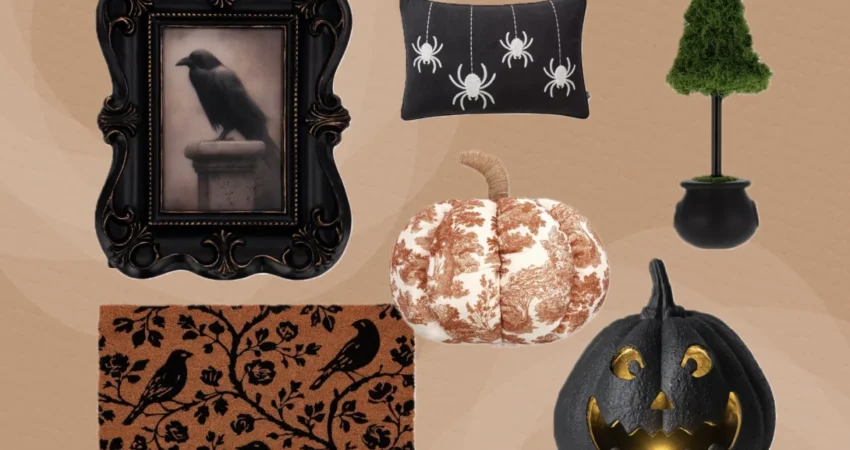
The retail landscape for seasonal home goods has undergone a significant transformation over the past decade, moving away from disposable, high-saturation plastic ornaments toward sophisticated, durable, and aesthetically curated collections. In August 2026, Walmart solidified its position in this "masstige"—or mass-prestige—market with the release of its latest Halloween collection. By leveraging high-profile collaborations, specifically the My Texas House line, the multinational retailer has effectively bridged the gap between budget-friendly pricing and the high-end design sensibilities typically associated with premium brands like Pottery Barn and West Elm. This strategic shift comes at a time when consumer spending on seasonal holidays continues to reach record highs, despite broader economic fluctuations.
The Evolution of the "Curated Halloween" Aesthetic
Historically, Halloween decor was categorized into two distinct silos: ultra-affordable, temporary items found at discount retailers, or expensive, heirloom-quality pieces sold at luxury home boutiques. For years, the "dollar-store" aesthetic—characterized by neon oranges, flimsy plastics, and cartoonish motifs—dominated the mass market. However, driven by social media trends and the rise of home staging as a hobby, consumer preferences have shifted toward a "moody" or "vintage-inspired" aesthetic. This style prioritizes muted palettes, natural textures like stoneware and resin, and motifs that lean into gothic elegance rather than juvenile horror.
Walmart’s 2026 collection is a direct response to this demand. The "My Texas House" collaboration, spearheaded by designer Erin Vogelzang, focuses on "elevated farmhouse" and "classic traditional" styles. By applying these principles to Halloween, the collection introduces items that integrate seamlessly into existing year-round home decor, utilizing weathered finishes and autumnal tones such as rust, charcoal, and cream.
Market Context: The Economics of Seasonal Spending
The timing of Walmart’s release is backed by robust data regarding consumer behavior. According to the National Retail Federation (NRF), annual spending on Halloween in the United States has seen a steady upward trajectory, with total expenditures exceeding $12 billion in recent years. A significant portion of this growth is attributed to home decorations, which have surpassed costumes in some demographic categories as the primary focus of the holiday.
In an era of persistent inflation, the "dupe" culture—where consumers seek affordable alternatives to luxury products—has become a dominant force in retail. By offering pieces that mimic the weight and finish of $100 artisan goods for under $30, Walmart is capitalizing on the budget-conscious but style-oriented shopper. Retail analysts suggest that this strategy not only increases foot traffic during the late summer months but also builds brand loyalty among younger homeowners who previously viewed Walmart as a source for utilities rather than aesthetics.
Product Deep Dive: 11 Key Pieces for 2026
The 2026 lineup is characterized by its use of resin, stoneware, and high-quality textiles. The following items represent the core of the collection’s "designer-look" appeal:
1. The Raven Framed Art Tabletop Decoration
Moving away from standard wall decals, this piece utilizes a resin-molded frame to house a vintage-inspired raven illustration. The heavy-duty construction mimics the look of a found antique, tapping into the "Dark Academia" trend that has become a staple of autumn interior design.

2. The Decorative Cauldron Planter
Unlike the thin plastic buckets used for trick-or-treating, this cauldron is designed as a functional decor piece. Its textured finish allows it to serve as a planter for mums or a centerpiece for a mantel, offering a weightiness that suggests stoneware rather than mass-produced resin.
3. Resin Jack-o’-Lantern Tabletop Decoration
A standout in the collection, this 9-inch pumpkin avoids the bright orange gloss of traditional decor. Instead, it features a matte, weathered finish. The carving style is minimalist, designed to evoke a traditional hand-carved look while remaining durable enough for multi-year use.
4. Natural and Black Floral Bird Coir Doormat
The entry-way experience is a primary focus for the 2026 line. This doormat features a sophisticated botanical print intertwined with raven motifs. The use of natural coir fiber ensures functionality, while the black-and-tan palette aligns with the "moody autumnal" theme.
5. Fall Forest Toile Pumpkin Pillow
Textiles in the My Texas House collection often feature toile, a classic French pattern. By applying a forest toile in rust tones to a pumpkin-shaped pillow, Walmart has created a "transitional" item that works for the entire autumn season, not just the week of Halloween.
6. Plaid Indoor/Outdoor Layering Rug
The trend of "rug layering" (placing a decorative mat over a larger, neutral rug) is fully supported by this taupe plaid piece. Its versatility allows it to transition from a Halloween porch setup to a Thanksgiving entryway without looking out of place.
7. Hanging Spiders Oblong Decorative Pillow
For consumers who prefer a more literal "spooky" theme without sacrificing elegance, this ivory and black pillow utilizes embroidery-style graphics. The oblong shape and high-contrast palette provide a designer touch to living room furniture.
8. Moss Witch Hat Topiary
Topiaries are traditionally associated with formal gardens and high-end florists. This 2026 iteration uses textured green moss to create a witch-hat silhouette sitting in a cauldron base. It represents a shift toward "organic" Halloween decor, utilizing textures found in nature.
9. Textured Stoneware Pitcher
One of the most versatile pieces in the collection, this glossy black pitcher is designed for both display and utility. Its silhouette is reminiscent of Victorian-era kitchenware, making it a viable option for "haunted mansion" themed dining displays.

10. Spiderweb Taper Candles
Small details often define the difference between a high-end and low-end display. These candles replace standard tapers with an embossed spiderweb design, providing an easy "spook-ify" option for existing candle holders.
11. Large Stoneware Spiderweb Pumpkin
Addressing the issue of rotting porch decor, this stoneware pumpkin offers a permanent solution. The black finish and intricate vine/spiderweb detailing provide a sculptural element that rivals pieces found in boutique catalogs for triple the price.
Strategic Implications for the Retail Industry
Walmart’s move into high-design seasonal goods is a calculated strike against competitors like Target, which has long held the "style-for-less" crown through its Threshold and Hearth & Hand with Magnolia brands. By elevating the material quality—moving from plastic to resin and stoneware—Walmart is addressing the growing consumer interest in sustainability and "slow decor." Consumers are increasingly looking for items that can be packed away and reused for a decade, rather than discarded after a single season.
Furthermore, the release of this collection in mid-August reflects the "seasonal creep" phenomenon in retail. As consumers look for escapism and early festive cheer, retailers have moved their "drop" dates earlier each year. The 2026 timeline suggests that the "August 21" launch is the new industry standard for autumn collections, allowing retailers to capture multiple waves of shoppers before the peak October rush.
Chronology of the 2026 Release
- Late July 2026: Teasers for the "My Texas House" collaboration begin appearing on social media platforms, targeting home decor influencers.
- August 14, 2026: Pre-orders for Walmart+ members go live, with several key items (notably the stoneware pumpkins and raven art) selling out within hours.
- August 21, 2026: The full collection becomes available to the general public both online and in-store.
- September 2026: Secondary market "resale" of popular items begins to appear on platforms like eBay and Poshmark, a testament to the collection’s perceived value.
Analysis: The Future of Mass-Market Seasonal Goods
The success of the 2026 Halloween line suggests that the "Pottery Barn-ification" of big-box retail is more than a passing trend; it is a fundamental shift in how corporations approach the middle-class consumer. By prioritizing high-end aesthetics and durable materials, Walmart is successfully shedding its image as a discount-only destination.
The broader implication for the industry is a "race to the top" in terms of design. As Walmart and other mass-market retailers improve their aesthetic offerings, premium brands will be forced to further innovate or justify their higher price points through even more exclusive materials or artisanal craftsmanship. For the average consumer, however, the result is a democratization of style, where a "curated home" is no longer gated behind a designer budget.
As we look toward the 2026 holiday season, it is clear that the "Pottery Barn look" is now accessible on a "Walmart budget," fundamentally changing the way American households celebrate and decorate for the spooky season. Through strategic partnerships and a keen eye for market trends, Walmart has proven that seasonal decor can be both frighteningly stylish and frighteningly affordable.

0 Comments