
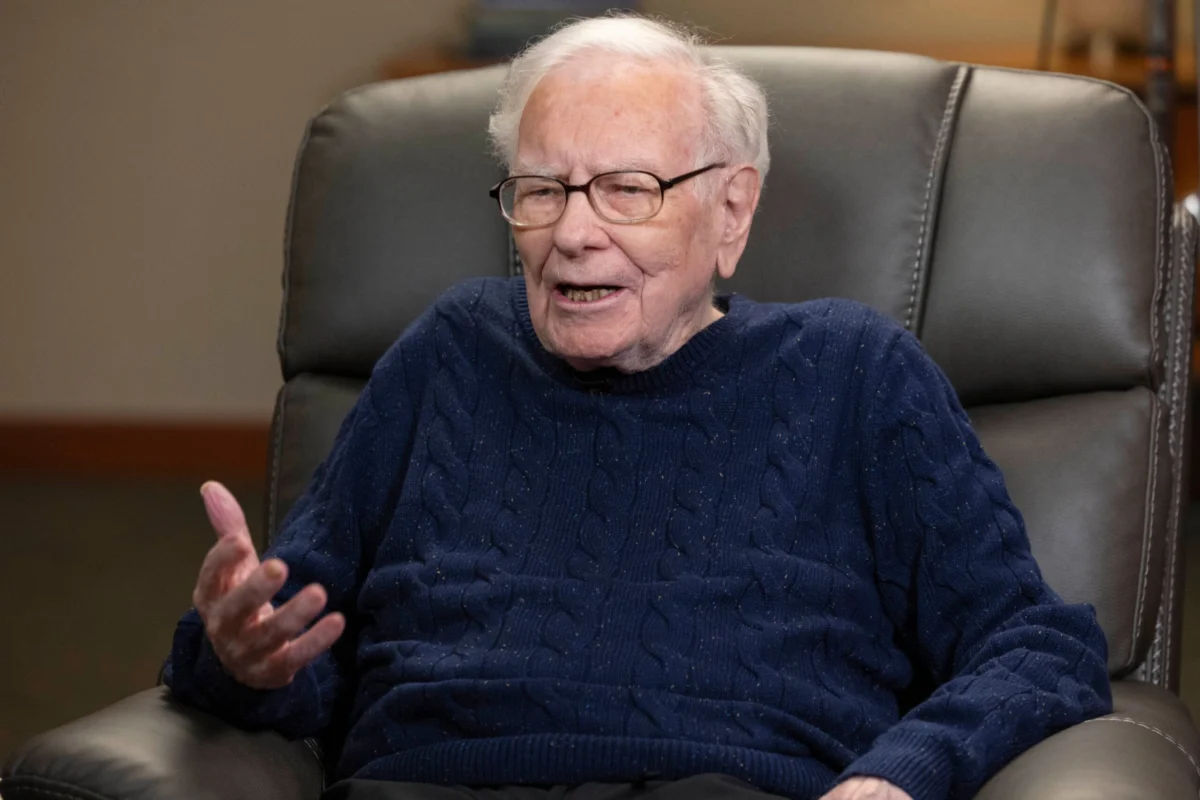
In a monumental recalibration of his unparalleled philanthropic strategy, Warren Buffett, the venerated chairman and CEO of Berkshire Hathaway, has redirected his annual multi-billion dollar charitable donations from the Bill & Melinda Gates Foundation to four family-linked foundations. This strategic pivot, a significant departure from nearly two decades of consistent giving, is primarily driven by Buffett’s stated desire to entrust greater philanthropic responsibility to his three children as they mature into their roles. The decision comes after Buffett thoroughly reviewed information concerning his long-time friend Bill Gates’ "distasteful" association with the late convicted sex offender Jeffrey Epstein, though Buffett maintains this review was not the underlying cause for the shift in beneficiaries, but rather a factor he considered in his overall reevaluation.
The Philanthropic Pivot: A New Era for Buffett’s Giving
For years, the Bill & Melinda Gates Foundation stood as the primary recipient of Buffett’s immense generosity, a partnership that channeled tens of billions of dollars into global health and development initiatives. However, this year marks a distinct turning point. The 95-year-old "Oracle of Omaha" has directed his substantial 2026 contributions to institutions closer to home: the Susan Thompson Buffett Foundation, named for his late first wife, and the three foundations independently run by his children – Susie Buffett’s Sherwood Foundation, the Howard G. Buffett Foundation, and Peter Buffett’s NoVo Foundation.
This year’s allocation underscores the scale of this redirection. The Susan Thompson Buffett Foundation is slated to receive a staggering 9 million Class B shares of Berkshire Hathaway stock, valued at approximately $4.5 billion based on current market prices. Concurrently, each of his children’s foundations will be endowed with 1 million Class B shares, translating to just under $500 million per foundation. This consolidated shift places roughly $6 billion in new capital directly into the hands of foundations with strong familial ties, signaling a profound reorientation of Buffett’s philanthropic legacy as he enters the twilight of his giving.
Decades of Generosity: The Gates Foundation Partnership
The partnership between Warren Buffett and the Bill & Melinda Gates Foundation began in earnest in 2006, a landmark moment in modern philanthropy. Buffett pledged the majority of his vast fortune to the foundation, an unprecedented commitment that transformed its financial capacity and global reach. Over the subsequent 18 years, Buffett systematically channeled more than $47 billion worth of Berkshire Hathaway stock to the organization co-founded by Microsoft’s visionary leader and his former wife, Melinda Gates.
This enduring collaboration was founded on a deep personal friendship between Buffett and Bill Gates, a bond forged over decades through shared intellectual curiosity, a love for bridge, and a mutual commitment to addressing some of the world’s most intractable problems. Buffett’s contributions allowed the Gates Foundation to scale its ambitious programs in areas such as eradicating infectious diseases like polio and malaria, improving sanitation and agricultural practices in developing nations, and advancing educational opportunities globally. The foundation’s impact, often attributed significantly to Buffett’s unwavering financial backing, has been credited with saving millions of lives and dramatically improving public health outcomes worldwide. This philanthropic model, often referred to as "venture philanthropy" due to its emphasis on measurable outcomes and strategic investments, became a benchmark for high-impact giving, largely fueled by Buffett’s consistent transfers of wealth.
Navigating Scrutiny: The Epstein Factor and Buffett’s Review
The decision to exclude the Gates Foundation from his latest round of donations naturally drew public attention to the controversial association between Bill Gates and the late sex offender Jeffrey Epstein. Buffett openly addressed this sensitive topic, acknowledging that he had undertaken a thorough review of the information surrounding Gates’ ties to Epstein, particularly since January 1 of the current year.

In an interview with CNBC’s Becky Quick, Buffett described Gates’ association with Epstein as "distasteful." He elaborated on his personal reflections, stating, "While it’s distasteful, while he made mistakes, I made mistakes, hiring all kinds of people, or choosing friends, and then finding out later that, one way or other, they weren’t what I thought they were. I found nothing in there that was beyond what I could picture myself doing." This statement indicates Buffett’s perspective on human fallibility and the complexities of personal judgment, suggesting a degree of empathy while still acknowledging the problematic nature of the association.
It is crucial to note that Buffett explicitly framed his review of the Epstein ties as part of a broader reevaluation of his philanthropic strategy, rather than the singular catalyst for the shift. His primary emphasis remained on the readiness and increasing capacity of his own children to manage substantial philanthropic endeavors. This distinction is vital for understanding the nuanced motivations behind his decision, which appears to be a confluence of long-term succession planning and a careful consideration of all relevant factors, including public scrutiny surrounding key partners.
Empowering the Next Generation: Buffett’s Succession Plan in Philanthropy
The core rationale articulated by Warren Buffett for his philanthropic pivot centers on empowering his children and preparing them for significant roles in managing the vast sums he intends to give away. "I reevaluated my whole situation," Buffett explained. "What happened was that I gave the Gates Foundation a great deal of money. I thought that was a good decision. I think it was a decent decision, but I did not think my kids were in any way ready to give away vast sums of money."
Buffett has long been known for his methodical approach to business and life, and his philanthropic succession plan appears to be no exception. He indicated that he has been gradually preparing his three children – Susie, Howard, and Peter – for this monumental responsibility over several decades. Now, he feels they are ready to take the reins. "I tell the three children that it is theirs, and it’s their responsibility to get it done well," he affirmed, underscoring the trust and autonomy he is placing in their hands.
Each of Buffett’s children already leads their own established philanthropic organizations with distinct missions:
- Susie Buffett’s Sherwood Foundation: Based in Omaha, Nebraska, the Sherwood Foundation focuses on improving the lives of children and families, primarily through educational and early childhood development initiatives within the region.
- The Howard G. Buffett Foundation: Led by his son Howard, this foundation is deeply engaged in global food security, conflict mitigation, and public safety. It operates on an international scale, tackling complex challenges related to agriculture, poverty, and community development in vulnerable regions.
- Peter Buffett’s NoVo Foundation: Co-chaired by his son Peter and his wife Jennifer, the NoVo Foundation is dedicated to empowering girls and women, promoting social and economic justice, and fostering sustainable community development, both domestically and internationally.
By significantly augmenting the endowments of these foundations, Buffett is not just transferring wealth but also solidifying his children’s capacity to pursue their own philanthropic visions on an unprecedented scale. This move represents a crucial step in the long-term execution of his pledge to give away virtually all of his wealth, ensuring that the decision-making power and strategic direction of these substantial funds remain within his immediate family’s control.
Maintaining Personal Bonds Amidst Strategic Change
Despite the significant shift in his philanthropic allocations, Warren Buffett emphasized that his personal friendship with Bill Gates remains strong and undiminished. He revealed that the two titans of industry recently spent several hours together in Omaha, discussing various topics. "He came by Omaha three weeks ago. I kind of lose track of time, but certainly not three months, and we spent three hours talking together," Buffett recounted, adding that Gates intends to call him again and has already proposed another meeting. This continued engagement highlights the enduring nature of their bond, transcending the strategic changes in their philanthropic partnership.
Bill Gates, in a statement provided to CNBC, reciprocated the sentiment, expressing immense gratitude for Buffett’s past support. "My gratitude to Warren is immeasurable, and I cherish the time we spend together. I hope we have much more of it ahead," Gates stated. He also acknowledged the profound impact of Buffett’s "unprecedented" support for the Gates Foundation, which he credited with helping to save millions of lives globally. These mutual expressions of esteem underscore that while the financial flow has changed direction, the personal respect and friendship between the two influential figures persist.

The Oracle’s Legacy: Broader Implications and Future Outlook
Warren Buffett’s decision carries substantial implications for the philanthropic landscape and offers insights into the intricate dynamics of wealth transfer, legacy planning, and the evolving responsibilities of ultra-high-net-worth individuals.
Impact on the Philanthropic Sector: The immediate impact is a massive injection of capital into Buffett’s family foundations, significantly boosting their operational capacity and strategic reach. This shift could lead to an expansion of their respective programs and an increased influence in their chosen areas of focus. Conversely, while the Bill & Melinda Gates Foundation possesses an enormous endowment and diversified funding sources, the cessation of Buffett’s annual contributions, which have historically been a cornerstone of its incoming capital, will necessitate adjustments in its long-term financial planning, even if its existing programs are not immediately imperiled. It signals a potential diversification of mega-philanthropic power.
Buffett’s Enduring Legacy: This move solidifies Buffett’s vision for his family’s direct involvement in his philanthropic legacy. By empowering his children, he ensures that his values and long-term commitment to improving society are actively stewarded by those closest to him, providing a personal touch to his monumental giving. It also reinforces his commitment to "The Giving Pledge," an initiative he co-founded with Bill and Melinda Gates in 2010, which encourages billionaires to commit the majority of their wealth to philanthropy.
A Timeline of Giving and Transition:
- 2006: Warren Buffett makes an unprecedented pledge to donate the vast majority of his fortune, primarily to the Bill & Melinda Gates Foundation, with smaller amounts designated for his children’s foundations and the Susan Thompson Buffett Foundation. This marks the beginning of a nearly two-decade-long partnership with the Gates Foundation.
- 2010: Buffett, along with Bill and Melinda Gates, launches "The Giving Pledge," inviting billionaires worldwide to commit to giving away at least half of their wealth.
- Over the next 18 years (2006-2024): Buffett consistently donates Berkshire Hathaway Class B shares to the Gates Foundation, totaling over $47 billion in value, making it the largest recipient of his annual transfers.
- Late 2010s/Early 2020s: Jeffrey Epstein’s criminal activities and the extent of his association with prominent figures, including Bill Gates, come under increased public scrutiny.
- Early 2026: Buffett begins an extensive review of information regarding Bill Gates’ association with Jeffrey Epstein, alongside a broader reevaluation of his philanthropic strategy.
- Recent Weeks: Buffett and Bill Gates meet in Omaha, spending several hours together, signaling continued personal friendship.
- This Year (2026): Buffett announces the exclusion of the Gates Foundation from his annual donations, directing this year’s substantial contributions (approximately $6 billion) to the Susan Thompson Buffett Foundation and the three foundations run by his children.
- Ongoing: Buffett states his intention to dispose of all his Berkshire shares within approximately eight years, as his children are "unfortunately growing older," accelerating the transfer of his remaining fortune.
Financial Context and Future Outlook:
The financial implications of Buffett’s giving are staggering. While $6 billion is a significant sum, it represents only a fraction of Buffett’s remaining wealth and his total philanthropic commitment. Buffett has previously stated his goal to divest all of his Berkshire Hathaway shares within about eight years. This accelerated timeline suggests that the family foundations will continue to be the primary beneficiaries of future transfers, positioning them as some of the most well-funded philanthropic entities globally.
Buffett also shared a personal update, revealing he recently underwent surgery after breaking his leg several weeks ago, and is thankfully recovering well. This detail, though minor in the context of his financial decisions, serves as a poignant reminder of his advanced age and the urgency behind his comprehensive estate and philanthropic planning.
In sum, Warren Buffett’s strategic pivot in his annual charitable giving is a multifaceted decision, reflecting a blend of long-term succession planning, a desire to empower his children, and a careful consideration of the broader context surrounding his philanthropic partners. It marks a significant moment in the annals of modern philanthropy, reshaping the trajectory of billions of dollars and further cementing the unique legacy of one of the world’s most influential investors and philanthropists.

0 Comments