
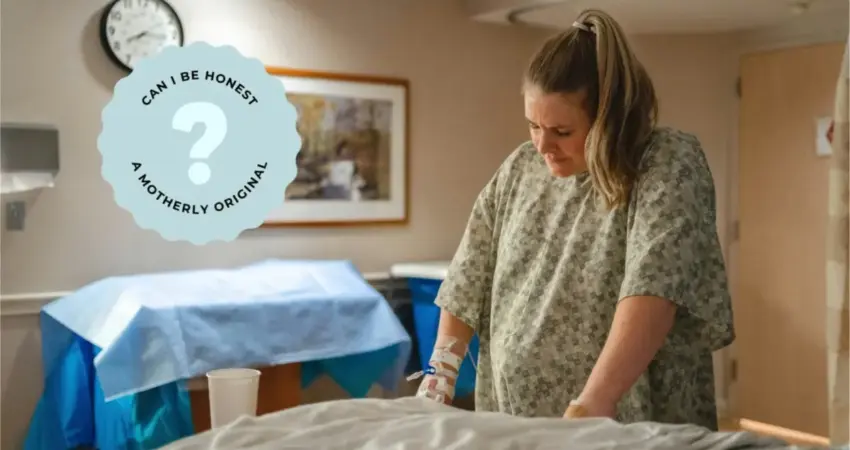
Understanding the Anatomy of Back Labor

Clinically, back labor is characterized by severe pain localized in the lower back or sacral area, which intensifies with contractions rather than receding. Dr. Brandye Wilson-Manigat, a board-certified OB-GYN, concisely defines it as "intense pain in the lower back during labor." She elaborates, "It is thought to occur when the baby’s position places increased pressure on the mother’s sacrum, tailbone and surrounding tissues during contractions, making the pain much more noticeable in the lower back than in the abdomen." This anatomical explanation is crucial: unlike typical contractions that cause a tightening sensation in the abdomen and uterus, back labor pain stems from the baby’s head pressing directly against the mother’s sacrum and spinal nerves.

The most frequent culprit behind back labor is a fetal presentation known as occiput posterior (OP), often referred to as "sunny-side up." In an optimal birthing position, the baby enters the pelvis with its head down, facing the mother’s spine (occiput anterior). This allows the smallest diameter of the baby’s head to navigate the birth canal and minimizes pressure on the sacrum. However, in an OP position, the baby faces the mother’s abdomen, causing the back of its head (the occiput) to press against the mother’s sacrum with each contraction. This direct, bone-on-bone pressure is what generates the characteristic, excruciating pain of back labor. While approximately 15-30% of babies present in an OP position at the onset of labor, many will rotate spontaneously to an anterior position during labor. However, for those who don’t, or for whom the rotation is delayed, back labor can persist.

Beyond fetal positioning, other factors can contribute to the likelihood and intensity of back labor. These include the mother’s individual pelvic anatomy (e.g., a platypelloid or android pelvis, which can make rotation more challenging), the size of the baby relative to the pelvis, and even the strength and frequency of uterine contractions themselves, which can push the baby more forcefully against the sacrum. It is important to note that while the OP position is a strong indicator, back labor can sometimes occur even with an anteriorly positioned baby if there are other anatomical or physiological considerations leading to sacral pressure. This complexity often contributes to the diagnostic uncertainty and the patient’s feeling of inexplicable pain.

The Disorienting Reality: A Personal Journey Through Uncharted Pain

Marisa Petrarca’s experience vividly illustrates the profound impact of this knowledge gap. Her journey into motherhood was, like many, filled with anticipation and a conventional understanding of labor. "I thought I’d know a contraction when I felt one," she reflects, a sentiment echoed by countless expectant parents who rely on common portrayals and limited pre-birth education. Her first encounter with the term "back labor" came belatedly, at 20 weeks pregnant, during a casual conversation with a friend. The friend’s "rawer" description, though partially dismissed by Petrarca in an attempt to "manifest an easier fate," proved to be a stark foreshadowing of her own intense experience.

Fast-forward to 37 weeks, and Petrarca was jolted awake by a nightmare that quickly bled into reality. The pain was undeniably real, inescapable, and centered in her back. Convinced labor had begun and that this was the back labor she’d vaguely heard about, she sought medical attention. Her initial hospital visit was met with a kind but unspecific response from a nurse: "It could be!" This understated acknowledgment, while perhaps intended to reassure, did little to validate the overwhelming pain she was experiencing, leading to her being sent home. This initial dismissal highlights a critical challenge in healthcare: the subjective nature of pain often clashes with the objective metrics doctors and nurses are trained to assess. Without clear signs of cervical dilation or regular, strong abdominal contractions, intense back pain might be downplayed, leaving the patient feeling unheard and isolated in their suffering.

The pain, however, was not to be reasoned with. It returned the following night with increased ferocity, accompanied by vomiting, prompting a frantic return to the hospital. In the backseat of their car, Petrarca writhed in agony, her cries drawing "worried—or at the very least, confused—looks" from onlookers. This public display of private suffering further underscores the isolating nature of an experience that deviates from widely accepted norms. Upon her second hospital admission, a new concern emerged: the baby’s heart rate. This complication can sometimes be associated with prolonged OP labor, as the baby’s head position can affect blood flow or put additional stress on the fetus. Yet, amidst the escalating medical concerns and her own excruciating back pain, Petrarca felt a profound disconnect. She registered "nothing when they hit" – referring to the contractions displayed on the monitor. Her perception of pain was entirely dominated by her back, leading to a startling realization post-delivery: "When the moment finally came to push, though, I couldn’t tell you what a contraction had actually felt like. Had I missed it entirely? Was that the back pain, all along?" This personal narrative vividly illustrates the psychological and physical disarray back labor can inflict, blurring the lines between different types of labor pain and leaving birthing individuals with lingering questions about their own bodily experience.

Why the Silence? Societal Narratives and Medical Discourse

Marisa Petrarca’s central question—"If back labor is this common and this confusing, why had I never really heard of it before that lunch?"—resonates deeply. Dr. Wilson-Manigat offers a straightforward, yet concerning, answer: "it’s not what most people experience, so it’s not what most people talk about. It also gets folded into the broader conversation around labor pain, since many coping strategies overlap." This explanation, while medically accurate, points to a systemic issue in how childbirth is discussed and prepared for.

Firstly, the prevalence: while OP presentation occurs in a significant percentage of labors, not all result in debilitating back labor. Many babies rotate, and not every posterior presentation causes extreme pain. This makes it less statistically "common" than purely abdominal contractions. Secondly, the integration of coping strategies means that specific attention isn’t always given to the type of pain. If techniques like counter-pressure or positional changes work for various labor pains, the unique characteristics of back labor might be overlooked in general childbirth education.

However, the implications extend beyond mere statistics. Societal narratives, perpetuated by media, personal anecdotes, and even some childbirth classes, tend to standardize the labor experience. The image of a woman clutching her belly during contractions is ubiquitous, while the image of one writhing with back pain is far less common. This cultural conditioning sets a particular expectation for pain location and sensation, leaving those who experience variations feeling abnormal, confused, or even inadequate. This gap in public discourse can lead to a sense of isolation and a feeling that one’s pain is not legitimate or "true" labor.

Furthermore, medical discourse, while striving for clarity, can inadvertently contribute to this silence. The focus on typical cervical dilation rates, contraction patterns, and fetal descent can sometimes overshadow the subjective experience of pain, especially when it deviates from the expected. If a birthing person reports severe back pain but their cervix isn’t dilating rapidly, they might be advised to rest at home, as Marisa was, without a full understanding of the unique intensity of their specific pain. This can lead to delays in appropriate interventions or pain management, and more importantly, a breakdown in trust and validation between patient and provider.

Strategies for Navigating Back Labor: Preparation and Pain Management

While back labor can be unpredictable, being informed empowers birthing individuals to manage it more effectively. A multi-faceted approach, combining non-pharmacological and pharmacological methods, is often recommended.

Non-Pharmacological Approaches: These techniques aim to alleviate pressure on the sacrum and encourage fetal rotation:

- Counter-Pressure: This is often cited as the most effective non-pharmacological method. A support person (partner, doula, nurse) applies firm, sustained pressure to the lower back, often with their fists, heel of their hand, or a tennis ball, during and between contractions. This pressure directly counteracts the baby’s head pressing on the sacrum.
- Positional Changes: Gravity and movement are powerful allies.
- Hands and Knees (All-Fours Position): This position can help shift the baby off the sacrum and encourage rotation. It also allows for easier counter-pressure.
- Leaning Forward: Draping oneself over a birthing ball, bed, or partner can provide similar relief.
- Rocking and Pelvic Tilts: Gentle rhythmic movements can help the baby shift position.
- Side-Lying: Lying on the side opposite to the baby’s back can encourage rotation.
- Walking and Standing: Remaining upright and active can use gravity to aid fetal descent and rotation.
- Hydrotherapy: Warm water from a shower or bath can provide significant pain relief and relaxation, easing muscle tension in the back.
- Massage: Gentle or firm massage to the lower back can help reduce muscle tension and provide comfort.
- Heat or Cold Packs: Applying a warm compress or a cold pack to the lower back can numb the area and provide relief.
- Acupressure: Specific pressure points in the lower back may offer relief, though efficacy can vary.
Pharmacological Interventions: When non-pharmacological methods prove insufficient, medical pain relief options are available:

- Opioid Pain Medication: Administered intravenously or intramuscularly, these can take the edge off the pain, allowing for some rest, but they don’t eliminate the sensation entirely and can have side effects for both mother and baby.
- Epidural Anesthesia: Often considered the most effective intervention for severe back labor, an epidural blocks nerve sensations from the waist down, providing significant, if not complete, relief from back pain. It can also help the mother relax, which may facilitate fetal rotation. However, it can limit mobility and may slow labor progression for some.
The Crucial Role of Support: An informed and supportive birth team—including a partner, doula, and medical staff—is invaluable. A doula, in particular, can be a vital advocate, skilled in various comfort measures and able to facilitate communication with medical providers. Knowing that one’s pain is acknowledged and that there are strategies to cope can significantly reduce anxiety and empower the birthing person.

Elevating Awareness: Towards a More Inclusive Childbirth Education

The personal testimony of individuals like Marisa Petrarca serves as a powerful call to action for a more comprehensive approach to childbirth education. The current emphasis, while covering basic labor progression, often falls short in preparing expectant parents for the diverse spectrum of pain presentations. Acknowledging back labor, its potential causes, and effective coping mechanisms should become a standard component of prenatal classes and discussions with healthcare providers.

This expanded education should aim to:

- Normalize Variation: Clearly communicate that labor pain can manifest in different ways, and back labor is a recognized, albeit less common, variation. This helps prevent birthing individuals from feeling isolated or that their experience is atypical.
- Empower Advocacy: Equip expectant parents with the knowledge to articulate their pain effectively and advocate for specific comfort measures or interventions. Understanding why the pain is happening (e.g., potential OP position) can help them work collaboratively with their care team.
- Validate Experience: Train healthcare providers to listen empathetically and validate subjective pain experiences, rather than solely relying on objective signs. A simple acknowledgment of the intensity of back labor can make a world of difference to a suffering patient.
- Discuss Management Options Proactively: Introduce various coping strategies, both pharmacological and non-pharmacological, during pregnancy so that individuals can make informed choices when labor begins.
Broader Implications and the Path Forward

The implications of inadequate preparation for back labor extend beyond physical discomfort. The psychological impact can be significant, potentially contributing to feelings of dissatisfaction with the birth experience, or even birth trauma. When a birthing person feels their pain was not understood, validated, or adequately managed, it can affect their early postpartum period and their perception of their own strength and agency. Marisa Petrarca’s lingering desire for definitive answers and the inability to "tell the story with some authority" underscores this psychological toll.

The journey through back labor, while intensely challenging, ultimately culminates in the same profound outcome as any other birth: the arrival of a new life. As Petrarca concludes with hard-won wisdom, "back labor is uncommon enough to catch you off guard, but common enough that it deserves a mention. You deserve to know, going in, that it’s possible. But if it happens, know that it ends, the way all of it eventually does. And what’s waiting on the other side is worth it."

This sentiment, while deeply personal, carries a universal truth. By enriching childbirth education to include a fuller spectrum of labor experiences, including the often-overlooked intensity of back labor, the medical community and broader society can better equip birthing individuals. This preparedness fosters not just physical readiness but also emotional resilience, ensuring that every birthing story, regardless of its unique challenges, is met with understanding, validation, and comprehensive support. The goal is not to instill fear, but to foster informed empowerment, transforming unexpected pain into a journey of acknowledged strength, rather than a bewildering battle fought in silence.

0 Comments