
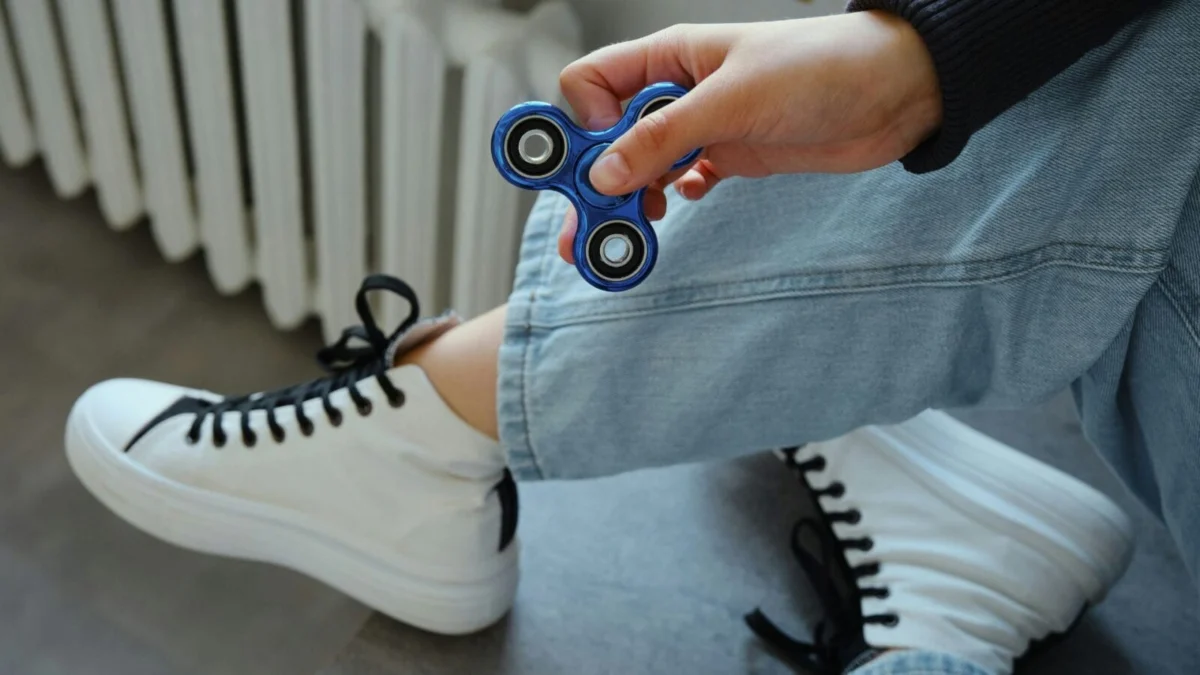
Meltdowns, often perceived as an inevitable part of childhood, particularly during the toddler years, can frequently be dismissed as irrational or attention-seeking behavior. However, for a significant number of children, especially those with underlying neurodevelopmental differences, these intense emotional outbursts and disruptive actions serve as crucial signals, pointing to unmet sensory processing needs. A new perspective, championed by pediatric occupational therapist Laura Petix in her book "The Sensory Code," encourages parents to shift their inquiry from "How do I stop this behavior?" to "What is this behavior trying to tell me?" This paradigm shift empowers caregivers to become "sensory detectives," unraveling the complex interplay between a child’s nervous system and their behavioral patterns.

Understanding Sensory Processing Differences
Sensory Processing Disorder (SPD), or sensory processing differences, is a neurological condition where the brain has difficulty organizing and responding to the information received through the senses. While not yet recognized as a distinct diagnosis in the Diagnostic and Statistical Manual of Mental Disorders (DSM-5), it is widely acknowledged within occupational therapy and related fields. Pioneering work by Dr. A. Jean Ayres in the 1970s laid the foundation for sensory integration theory, explaining how individuals process sensory input (sight, sound, touch, taste, smell, movement, and body position) and how dysregulation in these processes can impact daily function and behavior.

Estimates suggest that sensory processing challenges affect 5-16% of the general pediatric population, with a much higher prevalence among children diagnosed with autism spectrum disorder (ASD), ADHD, and anxiety disorders. For instance, research indicates that between 40-90% of children with ASD also experience sensory processing differences. These challenges are not merely a matter of preference but reflect genuine difficulties in neurological modulation, discrimination, and praxis, impacting how a child experiences and interacts with their environment.

The Nuance of Sensory Profiles: Beyond Simple Categories
Traditional terms like "sensory seeker" and "sensory avoider" have often oversimplified the intricate nature of a child’s sensory profile. Petix highlights that it is remarkably common for children to exhibit a "mixed threshold," meaning they might actively seek certain types of sensory input while simultaneously being intensely overwhelmed by others. This complexity underscores the need for highly individualized observation and understanding.

Consider a child who thrives on constant motion, frequently running, jumping, or climbing, indicating a need for strong vestibular (movement) and proprioceptive (body awareness) input. Yet, the same child might be highly sensitive to unexpected loud noises (auditory defensiveness) or averse to certain textures in food or clothing (tactile defensiveness). Petix shares a personal example of her neurodivergent daughter who craves deep pressure and physical closeness, finding comfort and regulation in prolonged hugs, yet recoils from sticky hands or the feel of specific fabric types. This demonstrates that sensory responses are not monolithic; a child’s relationship with a single sensory system, such as touch, can encompass both seeking and avoiding behaviors depending on the specific input.

Identifying Behavioral Patterns: Becoming a Sensory Detective
To effectively support a child with sensory processing differences, parents are encouraged to meticulously observe and document their child’s behaviors, looking for consistent patterns in what they gravitate toward and what they actively resist.

Common Sensory Seeking Behaviors:

- Movement: Constant fidgeting, rocking, spinning, running indoors, climbing furniture, jumping, crashing into objects. These behaviors often provide crucial vestibular and proprioceptive input.
- Deep Pressure: Requesting tight hugs, enjoying weighted blankets, wrestling, squeezing into small spaces, chewing on non-food items (e.g., pencils, shirt collars), nail-biting. These provide calming proprioceptive input.
- Oral Input: Chewing on clothes, excessive thumb-sucking, biting, craving intense flavors.
- Visual/Auditory: Fascination with spinning objects, bright lights, loud music, or repetitive sounds.
Common Sensory Avoiding Behaviors:

- Auditory: Strong reactions to loud noises (e.g., vacuums, blenders, school bells), covering ears, avoiding crowded or noisy environments.
- Tactile: Dislike of certain clothing textures (tags, seams), aversion to messy play (paint, sand, glue), discomfort with light touch, refusal to wear specific shoes.
- Olfactory/Gustatory: Strong reactions to certain smells or tastes, extreme pickiness with food.
- Visual: Sensitivity to bright lights, aversion to busy visual environments.
- Transitions: Significant difficulty adapting to changes in routine or environment, often due to the unpredictable sensory demands of new situations.
Parents can often relate to the concept of sensory overload from their own experiences. Petix aptly describes the "touched out" feeling many parents experience after a day of constant physical demands and auditory input from children. Imagine translating this cumulative sensory burden to a child navigating a typical school day: the sudden blare of a PA system, the cacophony of recess, crowded lunchrooms, and hours spent in close proximity to peers. By the time they arrive home, their "sensory cup" may already be overflowing, making what appears to be an unprovoked meltdown a predictable response to an overwhelmed nervous system.

Guiding Responses: Tailored Interventions
Once patterns are recognized, parents can implement targeted strategies to help their child regulate. The goal is not necessarily to identify a clinical term for the sensory input but to provide a safe and effective channel for their child’s needs.

For Sensory Seekers (High Arousal/Dysregulation):
Observe what their body is already doing. If a child is tearing paper, stomping feet, or crashing into furniture, provide acceptable outlets for similar impulses.

- Gross Motor Activities: Offer opportunities for vigorous movement like jumping on a trampoline, running in a safe space, pushing a weighted cart, or engaging in "heavy work" tasks.
- Destructive Play (Safe Version): Provide cardboard boxes for tearing, newspaper for crumpling, or aluminum cans for stomping.
- Oral/Tactile Input: Offer chewy tubes, crunchy snacks, or a stress ball for squeezing. Petix suggests throwing ice cubes against pavement as a quick, satisfying reset for some children.
- Deep Pressure: Offer tight hugs, a "bear hug" squeeze, or time under a weighted blanket.
For Sensory Avoiders (Overwhelmed/Withdrawn):
If a child curls up, seeks solitude under a blanket, or retreats from activity, they are signaling a need for less sensory input.

- Quiet Space: Create a designated "calm down corner" with dim lighting, soft pillows, and minimal distractions.
- Reduced Stimulation: Minimize noise, bright lights, and strong smells. Offer noise-canceling headphones if appropriate.
- Comfort Items: Provide soft blankets, preferred comfort objects, or gentle, predictable touch.
It’s crucial to consider the context. For example, if bedtime approaches and a child exhibits "zoomies," simply allowing unrestricted running might be counterproductive. In such cases, the child still needs sensory input, but it should be delivered in a more organized, calming manner to help their nervous system wind down, such as a deep pressure massage, gentle rocking, or quiet heavy work like stacking books.

The Path to Self-Awareness and Self-Advocacy
The ultimate objective of understanding a child’s sensory profile extends beyond merely managing immediate behaviors. It aims to cultivate enough self-awareness within the child that they can eventually identify their own sensory needs and effectively advocate for themselves. This empowers them with lifelong coping skills.

Petix suggests moving beyond broad questions like, "How are you feeling?" which can be overwhelming for a dysregulated child. Instead, she recommends simple, guiding questions:

- "What are you noticing in your body right now?"
- "What do you think you need to feel better/calmer/more focused?"
Parents can also equip children with simple, declarative language to articulate their internal states and needs:

- "My sensory cup is full." (Indicating overwhelm)
- "This is too much for my brain right now."
- "I need quiet/a break/a squeeze."
Over time, this consistent modeling and prompting enable children to connect their internal sensations with external behaviors and appropriate responses. A child who once reacted to classroom noise with a meltdown might eventually recognize the early signs of overwhelm and proactively communicate, "I need a quiet space." Similarly, a child who struggled with focus during homework might discover that a few minutes of jumping or heavy work beforehand significantly improves their concentration.

Broader Implications and Support Systems
The journey of "cracking a child’s sensory code" has profound implications not only for the child but also for the family and broader educational systems.

Family Well-being: Parents equipped with sensory knowledge often report reduced stress and frustration, leading to more harmonious family dynamics. Understanding that behaviors are communicative rather than defiant fosters empathy and strengthens the parent-child bond. This informed approach can transform challenging moments into opportunities for connection and learning.

Educational Accommodations: Recognizing sensory needs is vital for effective education. Many children with SPD require accommodations in school settings, which can be outlined in Individualized Education Programs (IEPs) or 504 Plans. These might include preferential seating, access to sensory tools (fidgets, weighted vests), quiet spaces for breaks, modified assignments, or predictable routines to minimize sensory overload. Early identification and collaboration between parents, educators, and occupational therapists are key to ensuring a supportive learning environment.

Neurodiversity-Affirming Approach: Petix’s approach aligns with a neurodiversity-affirming perspective, which views neurological differences, including sensory processing variations, as natural and valuable forms of human diversity. Instead of pathologizing differences, the focus shifts to understanding and accommodating diverse ways of experiencing the world, fostering acceptance and belonging. This approach empowers children to understand their unique sensory make-up as part of who they are, rather than something to be "fixed."

Long-Term Development: Children who learn to understand and manage their sensory needs are better equipped for long-term success. They develop stronger self-regulation skills, improved emotional intelligence, and greater resilience. As they mature, these foundational skills translate into better academic performance, healthier social relationships, and increased independence in navigating various life situations.

In essence, unlocking a child’s sensory code is not about achieving a state of perfect regulation or eradicating discomfort. It is about deeply knowing the individual child—their unique sensitivities, their calming anchors, and the subtle cues their body communicates. By becoming attuned to these signals, parents can empower their children not only to navigate their world more effectively but also to develop a profound self-understanding that will serve them throughout their lives. This empathetic and investigative approach transforms parental challenges into opportunities for growth, fostering resilience and self-advocacy in children who experience the world through a uniquely wired lens.

0 Comments